
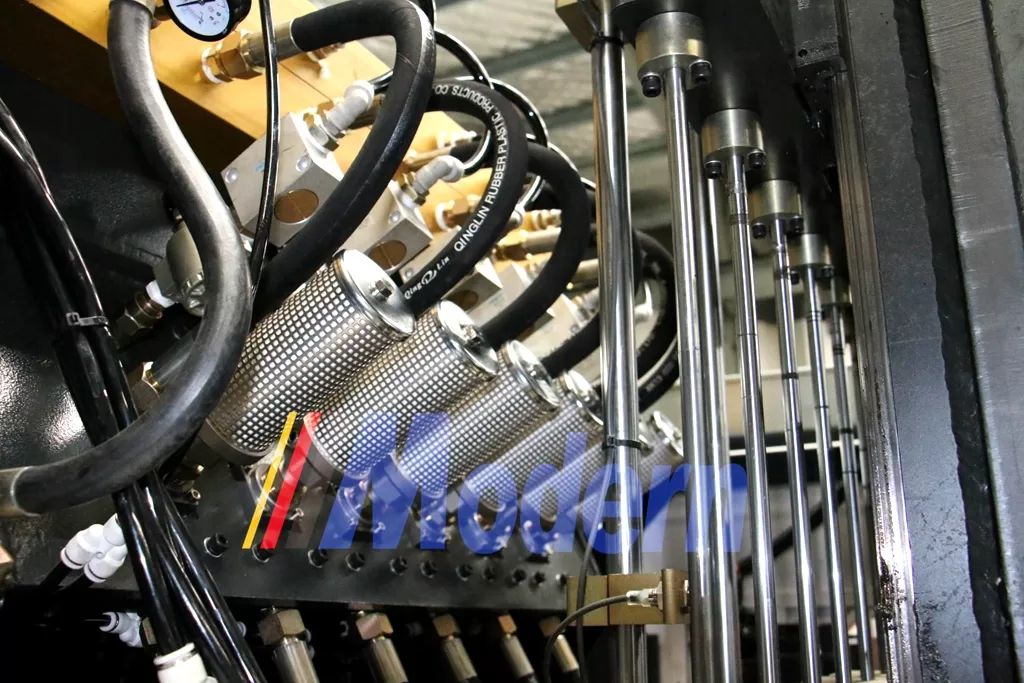
In today’s fast-paced industrial environment, efficiency and precision are paramount, particularly in the beverage and liquid packaging sectors. Automatic bottle filling machines have emerged as essential tools for manufacturers looking to enhance productivity, reduce labor costs, and maintain quality control in their operations. However, selecting the right bottle filling machine involves careful consideration of various factors, particularly costs. This comprehensive article delves into the different aspects of the costs associated with automatic bottle filling machines, providing insights and practical advice for businesses interested in investing in this technology.
The Importance of Automatic Bottle Filling Machines
Before diving into the cost aspects, it is important to understand why automatic bottle filling machines are crucial in modern manufacturing. These machines streamline the packaging process, allowing for high-speed filling with minimal human intervention. This not only increases productivity but also significantly reduces the risk of contamination and human error, ultimately improving product quality and consistency.
Factors Influencing the Cost of Automatic Bottle Filling Machines
The cost of automatic bottle filling machines can vary widely, influenced by several key factors:
1. Type of Machine
Various types of automatic bottle filling machines are available, including gravity fillers, pressure fillers, vacuum fillers, and piston fillers. Each type serves different purposes and is suitable for various liquid viscosities and bottle sizes. The complexity and advanced features of a machine type directly impact its cost. For example, a vacuum filler, designed for high-viscosity products, will generally be more expensive than a basic gravity filler.
2. Production Capacity
The production capacity of the filling machine, usually measured in bottles per hour, is another critical factor. Machines with higher capacities tend to be more expensive due to their advanced engineering and the materials used in their construction. Businesses need to assess their current and projected production needs to choose a machine that balances capacity with cost-effectiveness.
3. Material and Construction
The materials used in manufacturing the filling machine significantly affect its overall cost. Machines constructed from high-quality stainless steel tend to be more expensive but are more durable and resistant to corrosion, which could prove cost-effective in the long run. Additionally, components like filling nozzles, pumps, and control systems also contribute to the price. Advanced features such as touch screen controls and automation systems can drive up costs but may enhance operational efficiency.
4. Customization and Features
Businesses often seek specialized functionalities in their filling machines to meet unique operational requirements. Custom features, such as adjustable filling rates or multi-format capabilities, can significantly increase the machine’s price. Companies should evaluate the necessity of these features against their operational needs to avoid overspending on unnecessary capabilities.
5. Manufacturer Reputation
The reputation of the manufacturer also plays a vital role in determining the price of automatic bottle filling machines. Established brands that offer robust warranties and customer support tend to charge higher prices. While it may be tempting to go for lower-cost alternatives, investing in reliable and well-supported machinery can lead to long-term savings by reducing downtime and maintenance costs.
Initial Investment vs. Long-Term Costs
It is important to differentiate between the initial investment required for purchasing an automatic bottle filling machine and the long-term costs associated with its operation and maintenance. Understanding this distinction is critical for businesses looking to make informed purchasing decisions.
Initial Investment Costs
The initial costs include not only the purchase price of the machine but also transportation fees, installation costs, and any necessary modifications to existing production lines. Businesses should account for any additional equipment needed, such as conveyors or labeling machines, which can further inflate initial expenditures.
Long-Term Operational Costs
Once the machine is operational, companies must consider ongoing costs such as utility bills, maintenance, and replacement parts. Automatic fillers require regular servicing to ensure optimal performance, and neglecting maintenance can lead to costly breakdowns. Additionally, factors such as energy consumption and the cost of consumables should be factored into the long-term cost analysis. Investing in energy-efficient models can help mitigate these expenses.
Making a Cost-Benefit Analysis
When considering an investment in automatic bottle filling machines, conducting a cost-benefit analysis can provide valuable insights. Here are steps to guide businesses through this process:
1. Define Needs and Goals
Begin by clearly defining your production goals, including the required filling speed, bottle sizes, and types of liquids to be filled. Determine how much you’re willing to invest in these machines, taking into account both initial and long-term costs.
2. Research Options
Next, research available machines that meet your needs. Compare the costs and features of different types of automatic bottle filling machines, keeping in mind the aforementioned factors influencing costs. Seek feedback from other business owners to better understand the performance of specific models.
3. Project Return on Investment (ROI)
Estimate the potential return on investment by calculating the savings generated through increased efficiency, reduced labor costs, and lower product wastage. A well-chosen automatic filling machine can significantly enhance productivity, which, combined with lower operational costs, may result in a rapid ROI.
4. Consider Financing Options
For businesses that may find the initial costs prohibitive, exploring financing options is advisable. Some manufacturers offer leasing or payment plans that can spread the costs over time, making it easier to manage cash flow while still benefiting from modern machinery.
Assessing Supplier Support and Warranties
As with any significant investment, examining the level of support and warranty offered by suppliers is essential. A reputable supplier should provide comprehensive customer support, including maintenance services and readily available spare parts. Look for warranties that cover both parts and labor to safeguard your investment.
Conclusion
Automatic bottle filling machines represent a significant investment for any manufacturing business. Understanding the various factors that influence their costs, from types of machines and production capacities to material quality and manufacturer reputation, can aid in making informed purchasing decisions. By carefully evaluating initial investments and long-term costs, conducting thorough research, and considering support from suppliers, businesses can choose the right filling machine that aligns with their operational needs and financial capacities. Ultimately, investing in an automatic bottle filling machine can enhance efficiency, improve product quality, and pave the way for future growth in the competitive market.


