
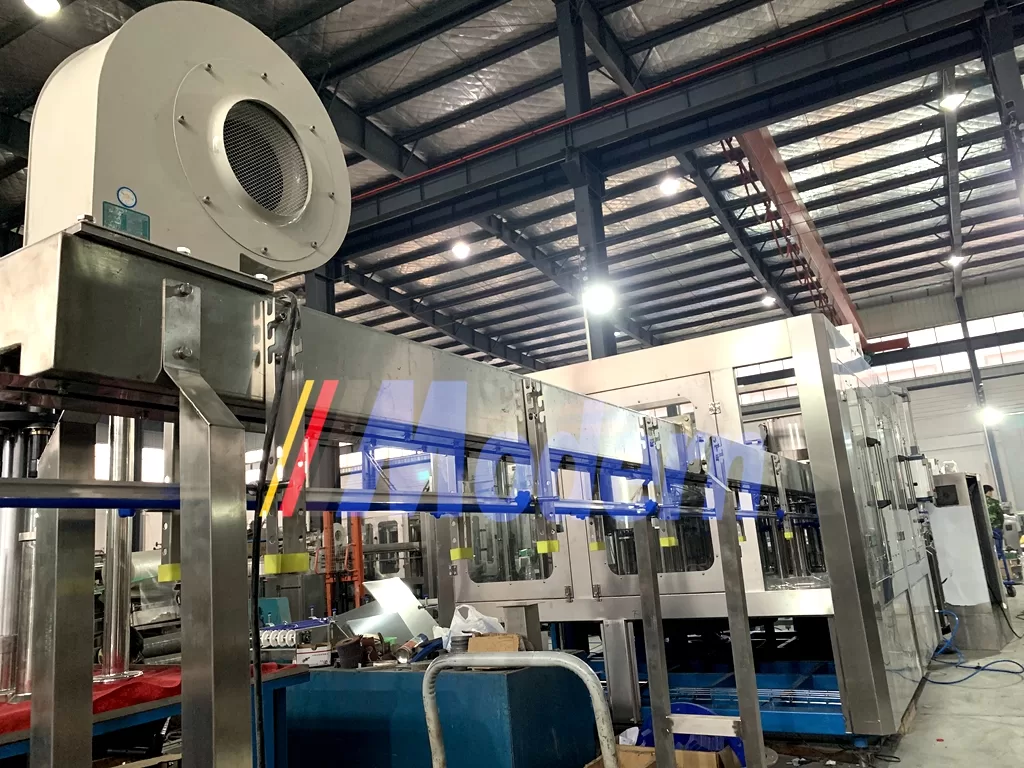
In the thriving beverage industries worldwide, manufacturers face the challenge of meeting increasing consumer demand while maintaining product quality and operational efficiency. Beverage filling equipment plays a pivotal role in this endeavor. This article will delve into the complexities of beverage filling equipment manufacturers, providing insights into their significance, types of equipment available, selection criteria, and the future of this essential industry.
The Importance of Beverage Filling Equipment
Beverage filling equipment is crucial in ensuring that products are packaged correctly, preserving their quality, and enhancing shelf life. As consumers become more health-conscious and environmentally aware, manufacturers must adapt their processes to meet these evolving demands. The efficiency and reliability of filling equipment directly impact production timelines and costs.
Moreover, the competition is intense in the beverage sector, creating a constantly shifting landscape where innovation is key to maintaining market share. Thus, beverage filling equipment manufacturers have a pivotal role to play in equipping businesses with sustainable, state-of-the-art solutions that drive efficiency and reduce waste.
Types of Beverage Filling Equipment
There are various types of beverage filling equipment designed to cater to different segments of the beverage market including soft drinks, alcohol, juices, and bottled water. Understanding these types helps manufacturers make informed decisions when sourcing equipment.
1. Gravity Fillers
Gravity fillers are simple machines that utilize gravity to fill containers. They are most commonly used for beverages such as water and certain types of juices that do not contain particulates. Although gravity fillers are cost-effective and easy to operate, they may not be the best option for carbonated beverages or viscous liquids.
2. Pressure Fillers
Pressure filling systems are ideal for carbonated beverages. These machines maintain the product under pressure, allowing for precision filling without the loss of carbonation. As carbonation can be lost during the filling process, pressure fillers are designed to retain the integrity of the beverage, ensuring consistently high-quality output.
3. Vacuum Fillers
Vacuum filling equipment is best suited for non-carbonated beverages that may have particulate matter. The vacuum process helps in minimizing air exposure, thus maintaining product quality. This system is versatile and can be used for different liquid types, making it an attractive option for manufacturers looking to diversify their offerings.
4. Time-Pressure Fillers
Time-pressure fillers combine gravity and pressure filling strategies to create an efficient and flexible solution for various beverage types. They can be adeptly used for alcoholic beverages, juices, and even flavored waters, making them a popular choice for manufacturers seeking versatility in operations.
Key Considerations When Selecting Beverage Filling Equipment
Choosing the right filling equipment involves several critical considerations that can impact both operational efficiency and product quality. Below are key factors manufacturers should assess:
1. Type of Beverage
Manufacturers should first identify the specific type of beverage they are producing. This decision heavily influences the choice of filling equipment, as each type has unique processing requirements that dictate which machine is most suitable. For instance, carbonated beverages require pressure fillers, while juice products may benefit from vacuum filling equipment.
2. Production Volume
Understanding production volume helps determine the capacity and speed of the filling equipment. Manufacturers should evaluate whether they need small-batch processing or high-speed filling for large-scale operations. The equipment’s ability to scale with production increases is also crucial to consider.
3. Material Compatibility
The nature of the material being filled can affect the choice of equipment. Manufacturers must consider whether the beverage contains alcohol, acids, or other additives that may react with the filling equipment. Compatibility with different packaging types, such as glass, plastic, or aluminum, is also essential.
4. Automation Level
Modern manufacturers are embracing automation to enhance productivity and reduce labor costs. Fully automated filling lines can significantly enhance efficiency, but companies must assess their budget, labor force, and skill set before opting for fully automated equipment versus semi-automated systems.
5. Maintenance and Support
Every piece of filling equipment will require maintenance to ensure longevity and optimal performance. Manufacturers should consider the level of support and service available from filling equipment manufacturers. A reliable maintenance plan will minimize downtime and extend the life of the machinery.
Future Trends in Beverage Filling Equipment
As global consumption patterns evolve, so too do the technologies related to beverage filling equipment. Here are several trends shaping the future of this industry:
1. Sustainability Initiatives
With growing environmental awareness among consumers and regulatory bodies, manufacturers are increasingly seeking sustainable solutions in beverage filling processes. This includes equipment designed for reduced energy consumption and waste, as well as recyclable or biodegradable packaging options.
2. Smart Technology and IoT
The integration of smart technology and the Internet of Things (IoT) into beverage filling equipment is on the rise. These advancements allow for real-time data collection and analysis, facilitating predictive maintenance, reduced operational costs, and improved operational efficiency.
3. Customization and Adaptability
As consumer preferences shift towards personalized beverages, manufacturers are investing in filling equipment that enables customization. This flexibility allows for the easy adaptation of production lines to accommodate various beverage types, allowing companies to rapidly respond to market trends.
4. Enhanced Safety and Hygiene Standards
The importance of hygiene and safety in beverage production has never been more pronounced, especially in light of recent global health crises. Manufacturers are investing in equipment that ensures strict hygienic standards, reducing contamination risks and ensuring product safety.
Conclusion
In conclusion, beverage filling equipment manufacturers play a crucial role in the beverage industry by providing the necessary tools to meet consumer demand efficiently and sustainably. By understanding different types of filling systems, making informed decisions about equipment selection, and staying abreast of industry trends, businesses can enhance their productivity and maintain high-quality standards.
As the beverage market continues to evolve, partnering with reputable filling equipment manufacturers will be instrumental in navigating these changes and achieving long-term success. Investing in the right technologies today will provide a competitive edge for tomorrow.


