In the world of brewing, the importance of efficient and reliable bottling processes cannot be overstated. As craft breweries and large-scale producers alike seek to optimize their production lines, the demand for high-quality beer bottle filling machines has surged. This article will explore the various dimensions of beer bottle filling machine suppliers, offering practical advice and insights to help you make informed decisions in your sourcing process.
Understanding Beer Bottle Filling Machines
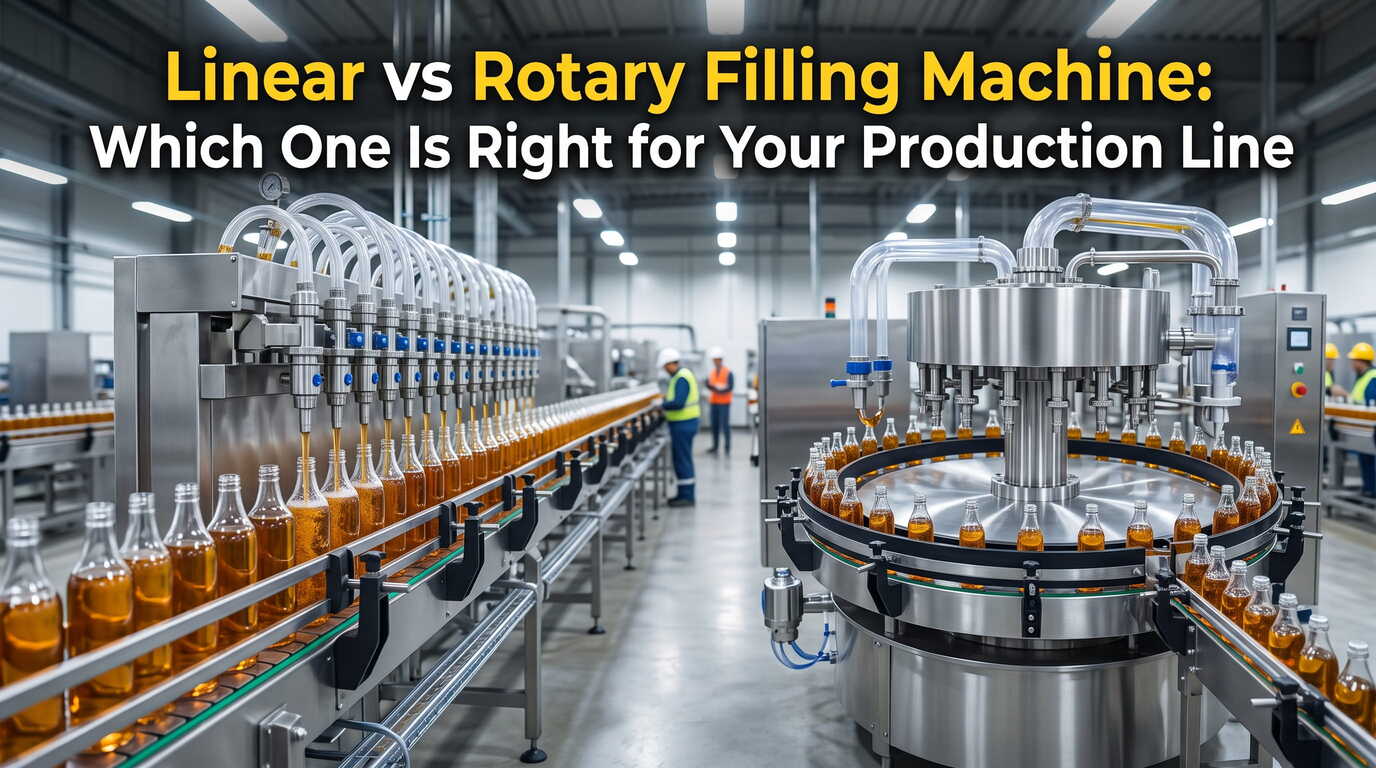
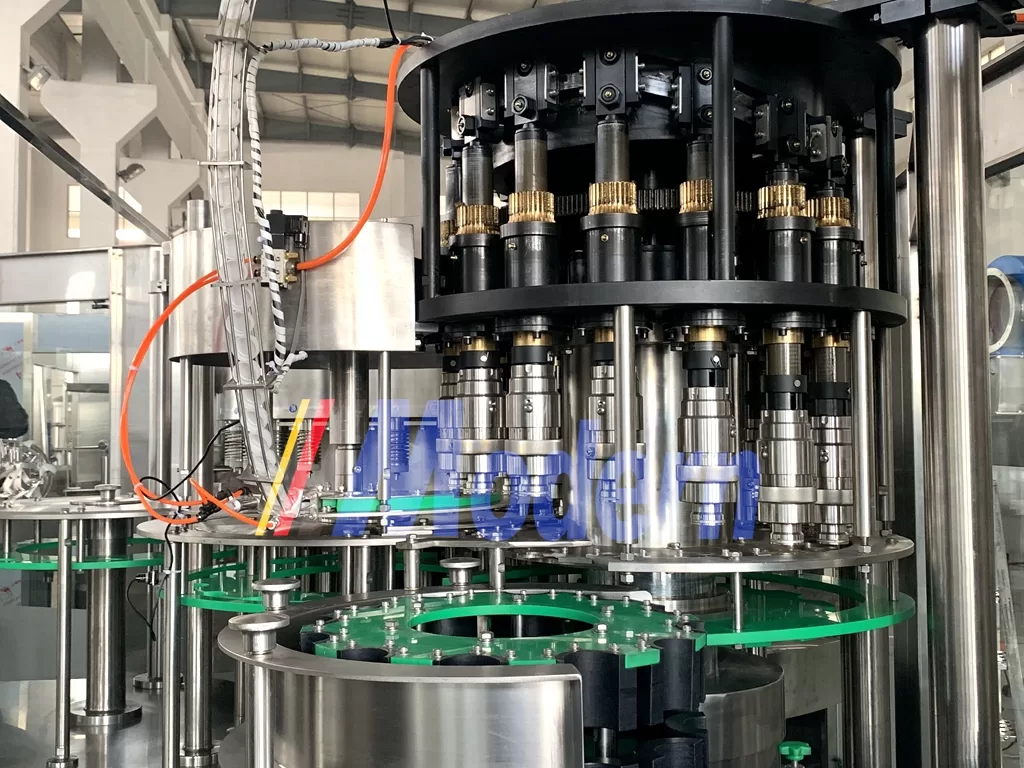
Beer bottle filling machines are essential pieces of equipment in the brewing industry. They are designed to fill bottles with beer while minimizing oxygen exposure, ensuring product quality and extending shelf life. These machines come in various types, including manual, semi-automatic, and fully automatic systems, each catering to different production capacities and operational needs.
Types of Beer Bottle Filling Machines
When considering a supplier, it’s crucial to understand the different types of beer bottle filling machines available on the market:
- Manual Filling Machines: Ideal for small breweries or startups, these machines require human intervention for each filling process. They are cost-effective but may not be suitable for high-volume production.
- Semi-Automatic Filling Machines: These machines automate part of the filling process, allowing for increased efficiency without a significant investment. They typically require minimal manual labor, making them a popular choice for medium-sized breweries.
- Fully Automatic Filling Machines: Designed for large-scale operations, these machines handle the entire bottling process—from filling to capping—without human intervention. They are the most efficient but require a higher capital investment.
Key Considerations When Choosing a Supplier
Selecting the right beer bottle filling machine supplier is a critical decision that can impact your brewery’s productivity and product quality. Here are several factors to consider:
1. Quality and Reliability
The quality of the filling machines is paramount. Look for suppliers that adhere to industry standards and regulations. Research their reputation in the market and seek reviews or testimonials from other breweries. A reliable supplier should provide machines that are durable, easy to maintain, and capable of producing consistent results.
2. Customization Options
Every brewery has unique needs, and a one-size-fits-all approach may not be effective. Choose suppliers that offer customizable solutions, allowing you to tailor the machine’s features to your specific requirements. This could include adjustments for different bottle sizes, filling speeds, or integration with other equipment.
3. Technical Support and Service
Technical support is crucial, especially during the installation and initial operation phases. Suppliers should offer comprehensive training for your staff and be available for ongoing support. Evaluate their customer service responsiveness and the availability of spare parts, as these factors can significantly affect your operational efficiency.
4. Pricing and Financing Options
While price should not be the sole determinant of your choice, it is essential to consider your budget. Compare the pricing structures of various suppliers, taking into account the total cost of ownership, including maintenance and operational expenses. Additionally, inquire about financing options or leasing arrangements that can ease the initial financial burden.
5. Technological Advancements
In a rapidly evolving industry, staying ahead of technological advancements is crucial. Look for suppliers that invest in research and development, offering machines equipped with the latest technologies such as automatic cleaning systems, advanced filling techniques, and smart monitoring systems that enhance efficiency and reduce waste.
The Role of Automation in Beer Bottling
Automation plays a significant role in modern beer bottling processes. Implementing automated systems can lead to increased efficiency, reduced labor costs, and improved product consistency. Here are some key benefits of automation:
1. Increased Production Speed
Automated filling machines can fill bottles at a much faster rate than manual systems, allowing breweries to meet growing demand without sacrificing quality. This increased speed can significantly enhance overall productivity.
2. Improved Accuracy
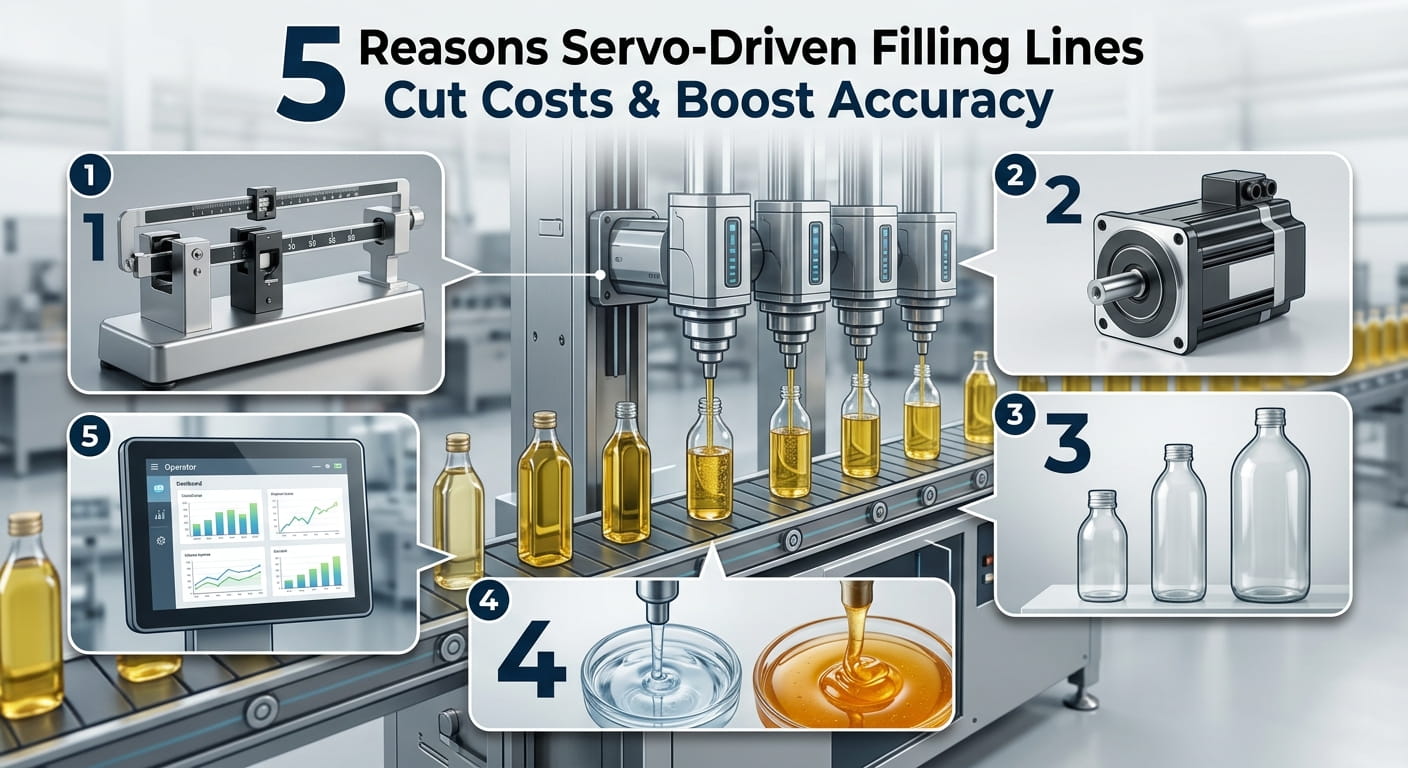
Automation reduces the likelihood of human error, ensuring that each bottle is filled to the correct level. This precision minimizes product waste and enhances customer satisfaction by providing a consistent product.
3. Enhanced Safety
Automated systems can improve workplace safety by reducing the need for manual handling of heavy bottles and minimizing the risk of spills and accidents. This is particularly important in environments where employees are working with glass bottles and potentially hazardous materials.
Evaluating Supplier Performance
Once you have selected a beer bottle filling machine supplier, it is essential to evaluate their performance regularly. Establish