
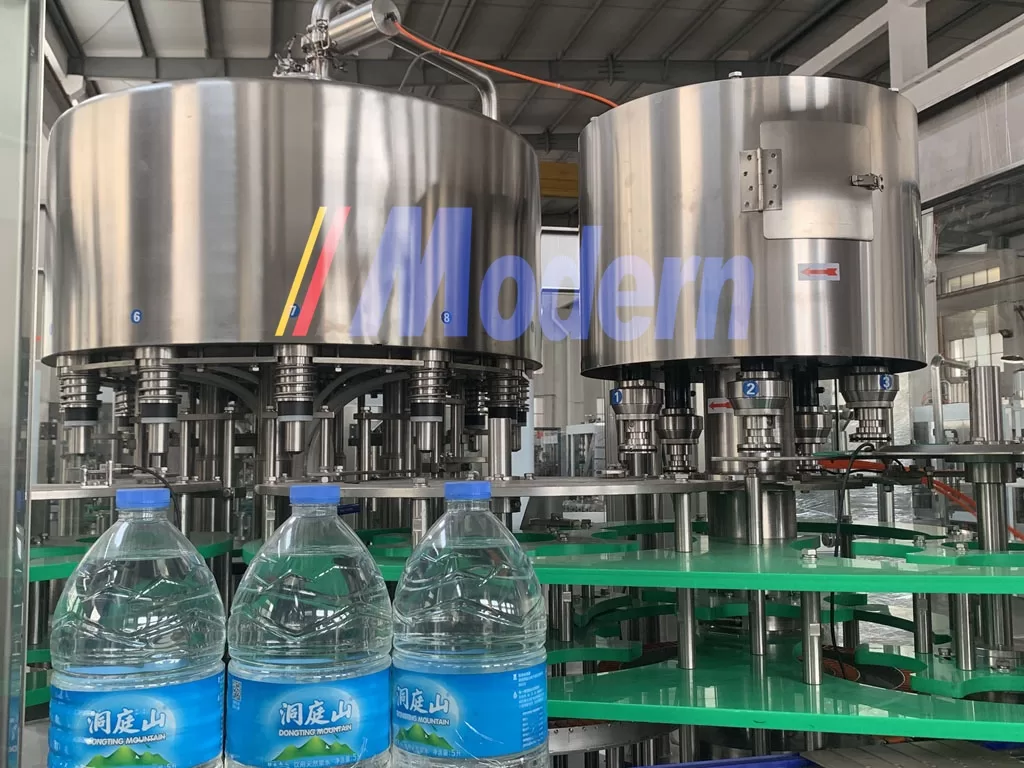
In the ever-evolving beverage industry, water remains one of the most sought-after products globally. As consumer demand for bottled water continues to increase, so does the need for efficient and reliable bottle water filling machines. This article explores the significance of choosing the right bottle water filling machine supplier, the various types of machines available, and practical tips for maximizing operational efficiency.
Understanding Bottle Water Filling Machines
Bottle water filling machines are essential in the production process of bottled water. They streamline the filling operation, significantly enhancing productivity and ensuring consistent product quality. Typically, these machines are categorized based on their filling mechanism, speed of operation, and the type of bottles they accommodate.
The Different Types of Bottle Water Filling Machines
1. **Gravity Filling Machines:** These machines use the force of gravity to fill the bottles. They are ideal for smaller operations and are known for their simplicity in design.
2. **Vacuum Filling Machines:** Utilizing vacuum pressure to fill bottles, these machines are suitable for products that are prone to foaming, ensuring minimal waste.
3. **Pressure Filling Machines:** These machines fill bottles under pressure, making them ideal for still water and carbonated beverages. They guarantee precise filling levels and are widely used in high-speed production settings.
4. **Automatic Filling Machines:** Fully automated machines can adapt to various bottle sizes and types, significantly reducing labor costs and human error.
5. **Semi-Automatic Filling Machines:** These machines require some manual intervention, making them a cost-effective solution for medium-sized operations while still providing some automation benefits.
Why Choosing a Reliable Supplier Matters
The choice of a bottle water filling machine supplier can significantly affect your production line’s efficiency and overall quality. A reputable supplier should offer more than just machinery; they should provide complete solutions tailored to your business needs. Here are several factors to consider:
1. Quality of Machinery
Investing in high-quality filling machines minimizes potential downtime caused by malfunctions or inefficiencies. A reputable supplier will ensure their machinery is built to industry standards and undergoes rigorous testing before delivery.
2. After-Sales Support
After-sales service is crucial in maintaining your machinery’s productivity. A trustworthy supplier will offer technical support, training for your staff, and easy access to spare parts. This support becomes invaluable during unexpected breakdowns or when adapting to new production demands.
3. Customization Options
Every business has unique production requirements. A good supplier should offer customization options allowing you to enhance and adapt your machine to meet specific filling speeds, bottle shapes, and operational workflows.
4. Compliance and Certifications
Your supplier must provide machines that comply with local and international safety standards and certifications. This compliance not only ensures the safety of your products but also enhances your brand’s reputation.
5. Competitive Pricing
While price should not be the sole determinant of your choice, competitive pricing combined with high-quality service is critical. Evaluate multiple suppliers, considering both initial costs and long-term service agreements.
Maximizing the Efficiency of Your Filling Line
Even with the best bottle water filling machines, efficiency can still be compromised. Here are several ways to optimize your production line:
1. Regular Maintenance
Establish a routine maintenance schedule to prevent unexpected machinery failures. Regular checks will ensure the components are functioning correctly, and any potential issues are addressed before they escalate into costly repairs.
2. Staff Training
Your team should be adequately trained in operating and maintaining the filling machines. Proper training minimizes human errors that could lead to inefficiencies or product wastage. Encourage open communication and feedback among operators to identify areas of improvement.
3. Lean Manufacturing Practices
Implementing lean manufacturing techniques can help reduce waste and optimize productivity. This approach focuses on maximizing value while minimizing resources. Regular assessments of the production line can uncover inefficiencies to address, leading to continuous improvement.
4. Incorporating Technology
Modern filling machines often include integrated technologies for data collection and analytics. By utilizing these features, you can monitor performance metrics and make data-driven adjustments to improve production efficiency.
5. Inventory Management
Maintain proper inventory levels of both supplies and spare parts to avoid production delays. Implement inventory management systems that alert you when stocks are low, ensuring you can operate smoothly without interruptions.
Market Trends in the Bottle Water Filling Industry
Understanding market trends can provide valuable insights for your business, enabling you to make informed decisions related to your bottle water filling operations.
1. Sustainable Practices
With increasing environmental concerns, the bottled water industry is moving towards sustainable packaging options. Many consumers are now favoring brands that utilize recyclable materials and eco-friendly practices. Therefore, consider suppliers who emphasize sustainability in their machinery and operations.
2. Technological Advancements
Automation and smart technology are increasingly becoming standard in the bottling process. Suppliers are incorporating AI and IoT into filling machinery to enhance precision and efficiency. Staying abreast of these advancements will ensure you remain competitive in a fast-paced market.
3. Health and Safety Standards
The COVID-19 pandemic has led to heightened awareness around hygiene and safety. Consumers expect their bottled water to be produced under the highest safety standards. Adherence to these standards is crucial not just for compliance but also for maintaining customer trust.
Conclusion
Investing in the right bottle water filling machine supplier is paramount to the success of your bottled water production business. By understanding the different types of machines available, the importance of supplier reliability, and practical strategies for efficiency, you can enhance your operational capabilities. In an ever-competitive market, remaining informed about trends and innovations in the industry will further equip you to achieve long-term success. Remember, the journey to excellence in bottled water production begins with the right equipment and a trustworthy partnership with your supplier.


