
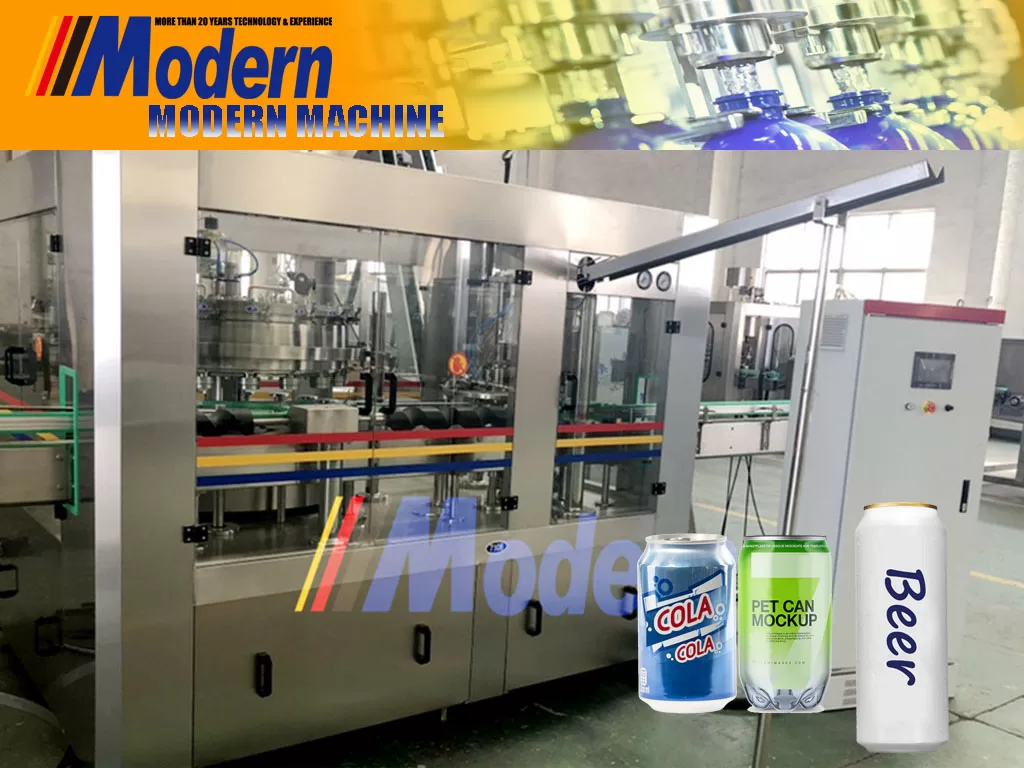
In the world of manufacturing and production, spray paint can filling machines have emerged as indispensable equipment for many industries. Whether it’s for decorative arts, automotive refinishing, or even industrial applications, these machines streamline the process of filling aerosol cans, ensuring efficiency, precision, and safety. This article delves into the various dimensions of spray paint can filling machines, providing insights into their functionality, importance, and considerations for procurement.
The Importance of Spray Paint Can Filling Machines
In an age where efficiency and quality control are paramount, spray paint can filling machines play a crucial role. These machines automate the filling process, significantly reducing labor costs and risks associated with manual filling. Additionally, they ensure that every can is filled uniformly, preventing variances in quality that can lead to customer dissatisfaction.
Moreover, spray paint can filling machines can typically handle a variety of paint formulations and types, allowing manufacturers to diversify their product lines without investing in separate filling machines. This versatility is particularly valuable in dynamic market environments where consumer preferences can shift rapidly.
Types of Spray Paint Can Filling Machines
Understanding the types of spray paint can filling machines available in the market is essential for making an informed purchasing decision. Generally, these machines can be categorized into three primary types:
1. Manual Filling Machines
Manual filling machines rely on the operator’s skill to fill aerosol cans. While they are less costly and ideal for small-scale operations or start-ups, they do not provide the consistency and speed of automated systems. For businesses focusing on limited production runs or specialty items, manual systems can be effective.
2. Semi-Automatic Filling Machines
Semi-automatic filling machines offer a compromise between manual and fully automatic systems. They require some degree of operator involvement, but processes such as filling can be accomplished with the push of a button. These machines are suitable for mid-sized businesses looking to boost productivity while maintaining a manageable level of oversight.
3. Fully Automatic Filling Machines
Fully automatic machines represent the pinnacle of efficiency in filling technology. These machines can operate independently, controlling every aspect of the filling process—from can handling to capping, and even labeling. They are ideal for large-scale operations where speed and accuracy are critical. Although they require a larger investment upfront, the long-term savings and efficiency gains can be substantial.
Factors to Consider When Purchasing Spray Paint Can Filling Machines
When selecting a spray paint can filling machine, it is essential to evaluate a number of key factors to ensure that the machine meets your specific needs and operational demands.
1. Production Capacity
Understanding your production volume is crucial. Machines have different capacities, often measured in cans per minute. Choose a machine that matches your current and projected production needs to avoid bottlenecks and inefficiencies in your manufacturing process.
2. Compatibility with Can Sizes
Spray paint cans come in various sizes and formats. Ensure that the machine you are considering can accommodate the sizes you intend to use.
This flexibility will enable you to adapt to market changes without the need for additional equipment.
3. Ease of Operation and Maintenance
A machine that is complicated to operate can hinder production. Look for models that boast user-friendly controls and intuitive design. Additionally, consider how easy the machine is to maintain. Regular maintenance is vital for ensuring longevity, so machines that are straightforward to clean and service can reduce downtime.
4. Safety Features
Given the materials and processes involved in filling spray paint cans, safety should be a top priority. Look for machines that include features such as pressure controls, explosion-proof enclosures, or safety interlocks to protect operators and comply with regulatory standards.
5. Price and ROI
While price is a significant factor, it’s essential to assess the return on investment (ROI) that the machine will bring. Expensive machines may offer more efficiency and precision, leading to quicker production times and less waste. Take the time to calculate potential savings over time based on the machine’s efficiency, maintenance costs, and your production rates.
Integrating with Other Equipment
For optimal efficiency, consider how your spray paint can filling machine will integrate with other equipment in your production line. For instance, transporting cans before and after filling may require conveyors. Other critical processes, including labeling and packaging, should also be considered to ensure a streamlined workflow.
Market Trends and Innovations
The landscape of spray paint can filling machines is continually evolving, influenced by technological advances and shifts in consumer preferences. Being aware of market trends can help businesses stay ahead of the competition.
1. Increased Automation
As technology continues to advance, more manufacturers are transitioning to fully automated filling systems. These machines not only save time but also minimize human error, leading to better product quality.
2. Sustainable Solutions
With growing concerns around environmental impact, manufacturers are exploring eco-friendly paint formulations and production processes. Many spray paint can filling machines are being designed to be compatible with these formulations while ensuring that waste is minimized throughout the filling process.
3. Smart Technology
The integration of smart technology into spray paint can filling machines allows for real-time monitoring and remote access. These features enhance operational efficiency by enabling predictive maintenance and reducing downtime. As Industry 4.0 continues to gain traction, embracing smart machines can provide a competitive edge.
Conclusion
Investing in the right spray paint can filling machine is fundamental to enhancing production efficiency and product quality. By understanding the various types of machines available, evaluating your unique needs, and considering market trends, businesses can make informed decisions that will positively impact their operations.
As the industry evolves, being proactive about your equipment choices will allow you to stay ahead, deliver top-quality products to your customers, and contribute to sustainable manufacturing practices. Ultimately, the decision to procure a spray paint can filling machine should align with your long-term business strategy, ensuring not just immediate gains but ongoing success in a competitive marketplace.


