
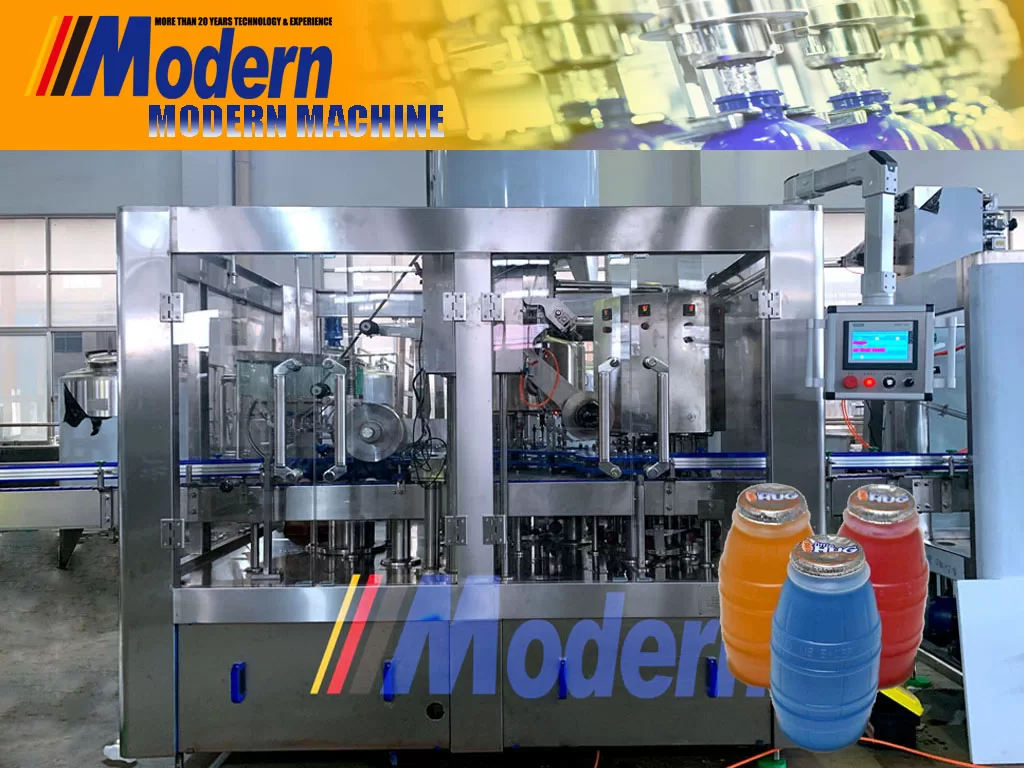
In the dairy industry, the bottling process is a critical component that determines the quality, safety, and shelf life of milk products. As consumer demand for fresh, high-quality milk continues to rise, the importance of efficient and reliable milk bottling equipment cannot be overstated. This article delves into the various types of milk bottling equipment, the bottling process, innovations in technology, and best practices for ensuring optimal performance and quality.
Understanding Milk Bottling Equipment
Milk bottling equipment encompasses a range of machines and technologies designed to package milk in a safe and efficient manner. The primary goal of this equipment is to preserve the quality of milk while ensuring that it is packaged in a way that is convenient for consumers. Key components of milk bottling equipment include:
1. Milk Pasteurizers
Before bottling, milk must be pasteurized to eliminate harmful bacteria. Pasteurizers heat milk to a specific temperature for a predetermined period, ensuring its safety for consumption. Modern pasteurizers are often equipped with advanced temperature control systems that ensure precision and efficiency.
2. Filling Machines
Filling machines are designed to accurately dispense milk into bottles. These machines can be categorized into several types, including volumetric, gravimetric, and piston filling machines. The choice of filling machine depends on factors such as production speed, bottle size, and the desired level of precision.
3. Capping Machines
After filling, bottles must be sealed to maintain freshness and prevent contamination. Capping machines automate this process, ensuring that caps are applied securely and consistently. There are various types of capping machines, including screw cappers, snap cappers, and induction sealers, each suited for different types of packaging.
4. Labeling Machines
Labeling is a crucial step in the bottling process, as it provides essential information to consumers. Labeling machines apply labels to bottles in a precise and efficient manner. Some machines are equipped with advanced technology that allows for variable data printing, enabling manufacturers to customize labels for different products.
5. Quality Control Systems
Quality control is paramount in the dairy industry. Automated quality control systems monitor various parameters throughout the bottling process, ensuring that the final product meets safety and quality standards. These systems can include sensors, cameras, and software that analyze data in real-time.
The Bottling Process: Step-by-Step
The bottling process involves several key steps, each of which plays a vital role in ensuring the quality and safety of milk products. Here’s a detailed overview of the typical bottling process:
1. Milk Reception and Testing
The process begins with the reception of raw milk from dairy farms. Upon arrival at the processing facility, the milk undergoes rigorous testing for quality and safety. This includes checking for contaminants, bacteria levels, and overall composition.
2. Pasteurization
Once the milk passes quality tests, it is subjected to pasteurization. This process not only ensures safety but also extends the shelf life of the product. The pasteurized milk is then cooled rapidly to preserve its quality before moving to the bottling stage.
3. Homogenization
Homogenization is the next step, where milk is processed to break down fat globules, preventing cream separation. This ensures a consistent texture and flavor throughout the product. Homogenization is typically performed using high-pressure homogenizers.
4. Filling and Capping
After homogenization, the milk is ready for bottling. Filling machines dispense the milk into pre-cleaned and sterilized bottles. Following this, capping machines seal the bottles securely, ensuring that they are airtight to maintain freshness.
5. Labeling and Packaging
Once filled and capped, bottles are labeled with essential information, including nutritional facts, expiration dates, and batch numbers. After labeling, the bottles are packaged for distribution, ensuring they are protected during transportation.
Innovations in Milk Bottling Technology
The milk bottling industry has witnessed significant technological advancements that enhance efficiency, safety, and sustainability. Here are some notable innovations:
1. Smart Bottling Systems
Smart bottling systems utilize IoT (Internet of Things) technology to monitor and optimize the bottling process. These systems can provide real-time data analytics, allowing manufacturers to make informed decisions to improve efficiency and reduce waste.


