The soft drink industry is a vibrant and ever-evolving sector that plays a significant role in global trade. One of the critical components of this industry is the bottling line, a complex system that merges technology, efficiency, and quality control. Understanding the intricacies of soft drink bottling lines can empower producers, exporters, and investors to make informed decisions, ensuring better product quality, cost management, and ultimately, enhanced profitability. This article delves into the various dimensions of soft drink bottling lines, providing valuable insights into their operation, components, and optimization strategies.
The Importance of Soft Drink Bottling Lines
Soft drink bottling lines are pivotal in the production process, acting as the gateway that transitions a beverage from the production phase to the consumer market. They serve several vital purposes:
- Quality Assurance: Bottling lines ensure that beverages are packaged in a way that maintains quality, flavor, and safety.
- Efficiency: Well-optimized bottling lines can significantly reduce production time and labor costs.
- Branding: The design and functionality of the bottling process can enhance product appeal and brand recognition.
- Compliance: Bottling lines help ensure that products meet regulatory standards in various markets, thus facilitating easier exports.
Components of Soft Drink Bottling Lines
A typical soft drink bottling line consists of several interconnected components, each playing a critical role in the overall functionality. Understanding these components is crucial for improving operational efficiency.
1. Pre-processing Equipment
Before the bottling stage, various preprocessing steps are required. Equipment such as mixers, chillers, and syrup tanks are essential for preparing the beverage concentration. Methane and phosphoric acid are often used in formulation, making it critical to have equipment that accurately mixes these ingredients to achieve the desired flavor and carbonation levels.
2. Bottle Rinsers
Cleanliness is a cornerstone of food safety regulations. Bottle rinsers ensure that every container is sterilized before being filled, preventing contamination and preserving product integrity. Different rinsing technologies, including water-based and chemical rinses, are available, and the choice of rinsing system can significantly affect the overall bottling efficiency.
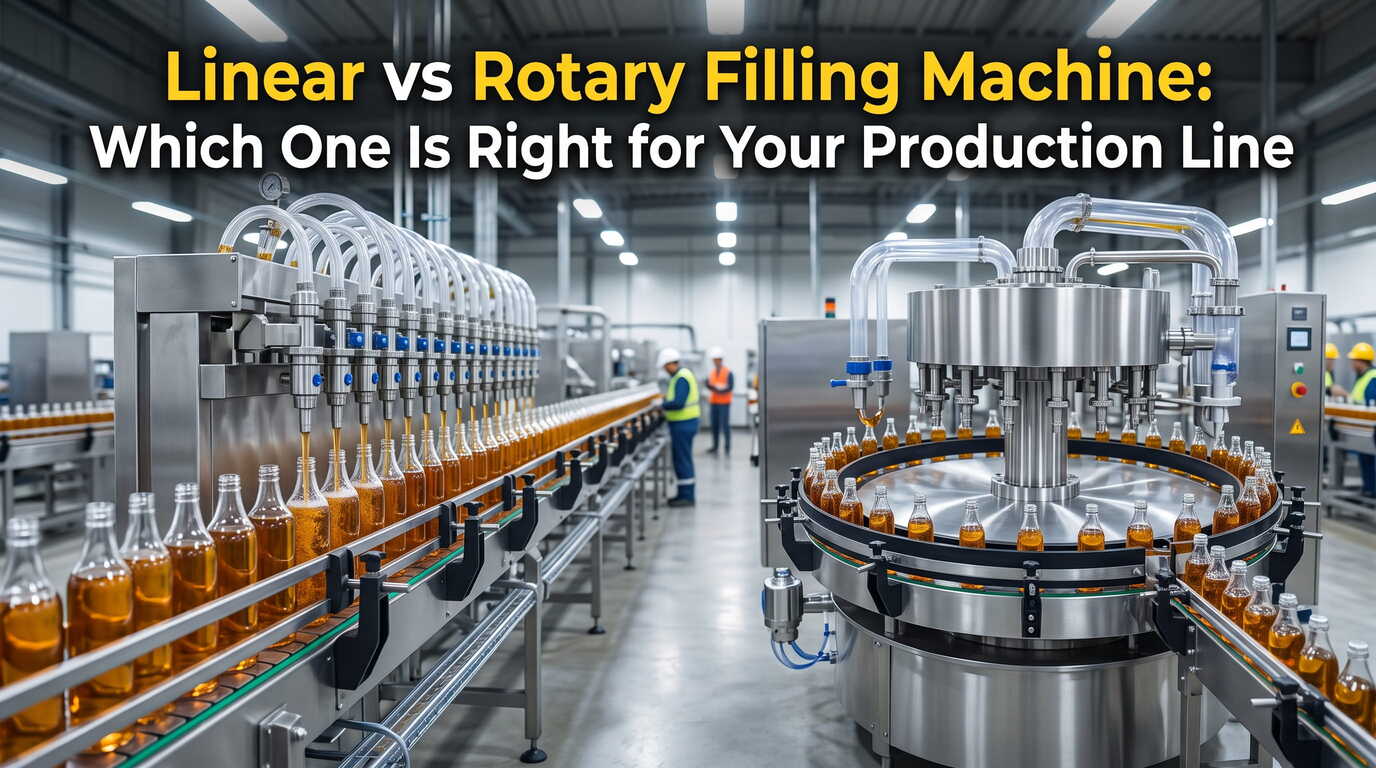
3. Fillers
Fillers are responsible for dispensing the beverage into bottles or cans. Various types of filling systems include counter-pressure, gravity, and pressure-type fillers. Each system has its pros and cons, depending on the product type, viscosity, and carbonation level. Selecting the right filler is crucial for minimizing waste and maintaining product consistency.
4. Capping and Labelling Machines
After filling, the bottles need to be sealed and labeled. Capping machines ensure that lids are securely fastened, preventing leaks and contamination. Labelling machines must apply labels accurately to meet branding requirements while adhering to legal regulations concerning product information.
5. Packaging and Palletization
Once bottled, products must be packaged for distribution. Automated packaging systems optimize the packing of products into cartons or shrink-wrapped bundles, facilitating efficient storage and transportation. Palletization follows, involving stacking packaged products onto pallets for easy relocation.
Key Considerations for Optimizing Bottling Lines
To maximize efficiency and quality in soft drink bottling lines, operators should pay attention to several key factors:
1. Automation
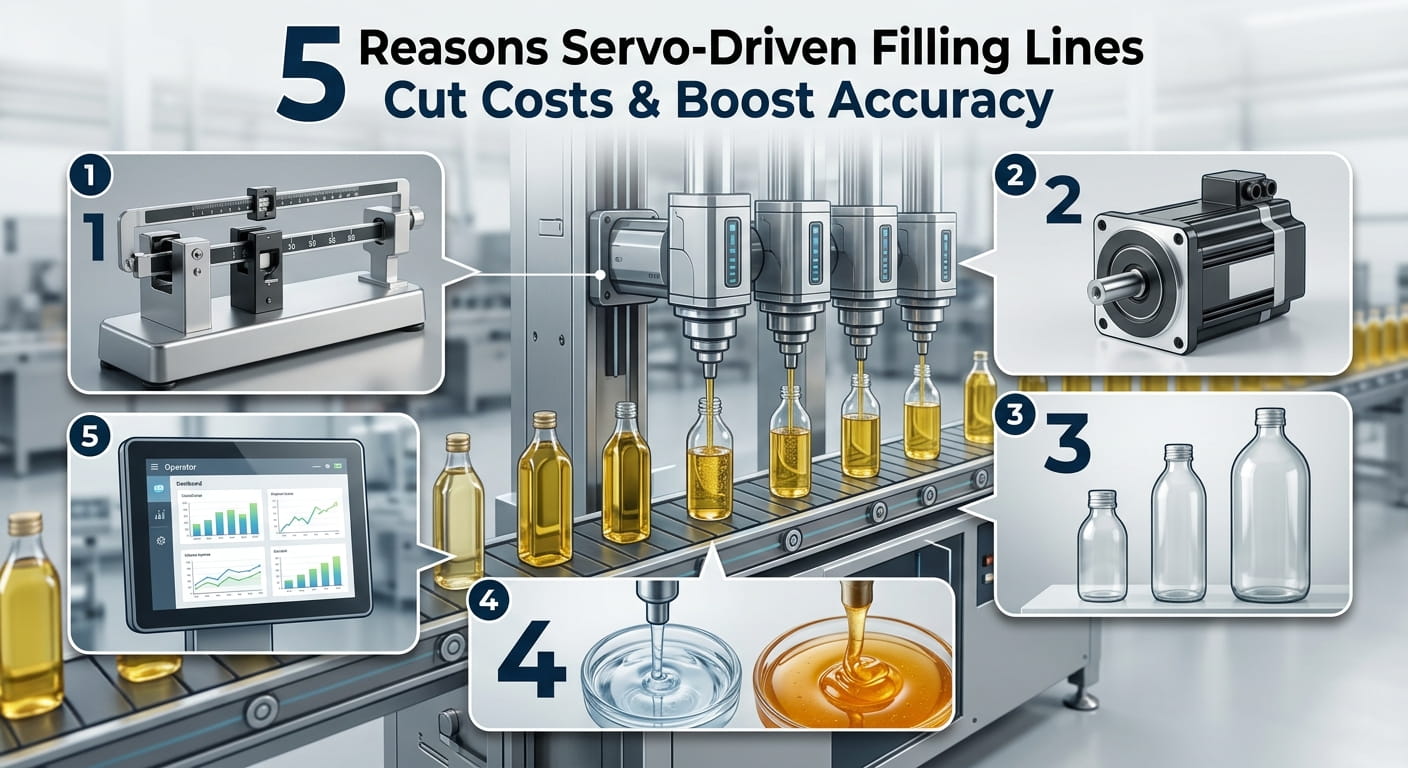
Incorporating automation technology into bottling lines can result in significant efficiency gains. Automated systems reduce manual labor, speed up the production process, and minimize human errors. Modern technologies, such as IoT (Internet of Things), allow for real-time monitoring and adjustment of bottling operations, enhancing performance reliability.
2. Quality Control
Implementing stringent quality control measures is essential for maintaining product standards. Regular inspections, automated testing, and adherence to regulatory frameworks should be integral parts of the bottling line. Scientific methodologies, such as Statistical Process Control (SPC), can be useful for identifying variances and maintaining optimal operation conditions.
3. Staff Training and Safety
Investing in employee training is vital for achieving operational success. Workers should be well-versed in machinery operation, product safety, and quality assurance. Additionally, a focus on workplace safety protects staff and minimizes the risk of operational disruptions due to accidents.
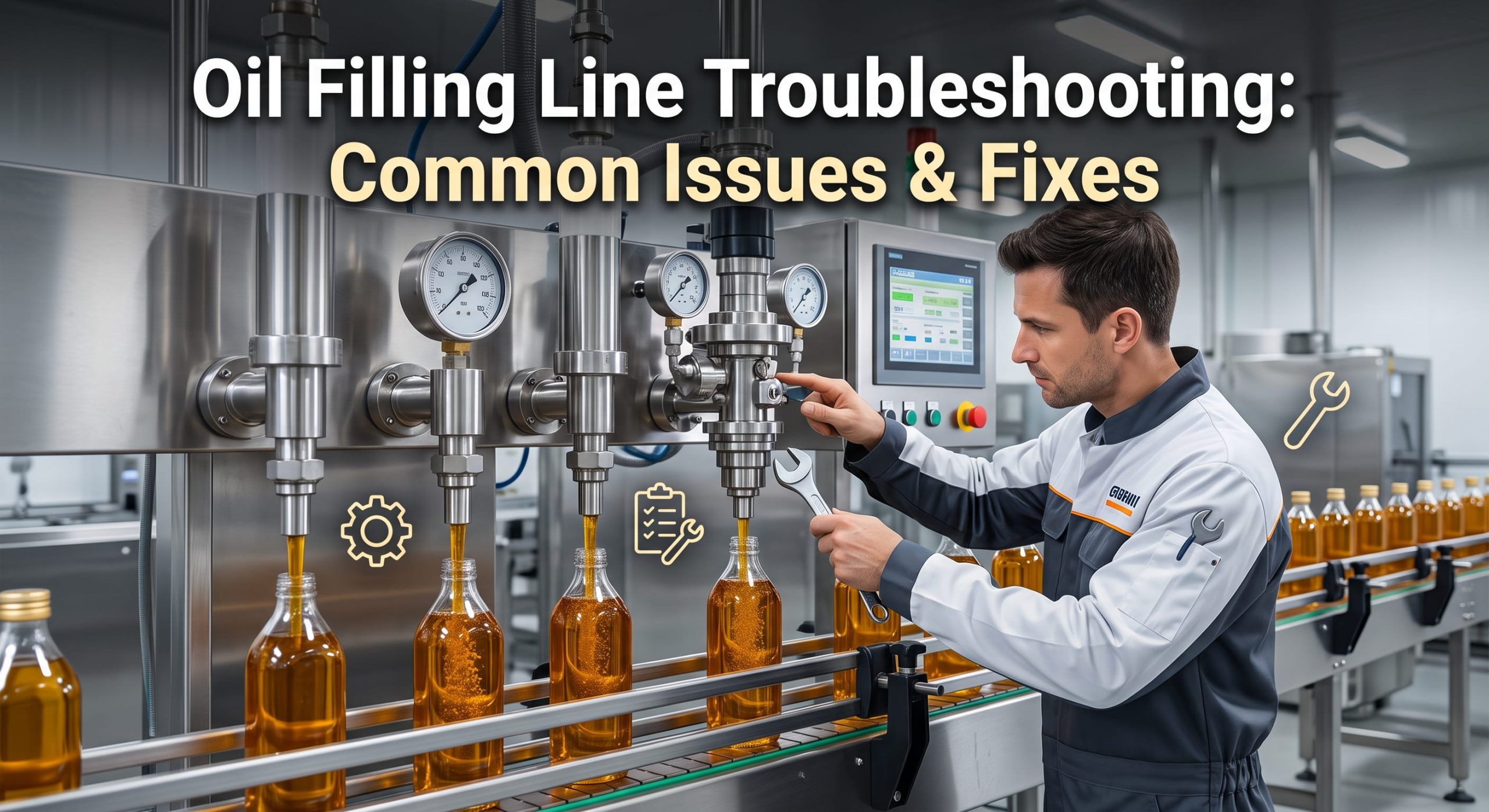
4. Maintenance and Upgrades
Routine maintenance is essential for preventing downtime and ensuring the longevity of bottling equipment. Implementing a preventative maintenance schedule can significantly enhance operational efficiency. Moreover, staying abreast of technological advancements allows bottling operations to integrate upgrades that may save time, reduce costs, or improve quality.
Trends Impacting Soft Drink Bottling Lines
The soft drink industry is subject to ever-changing consumer preferences and market demands. Operators should remain agile to keep pace with industry trends, including:
1. Sustainability
Increasing consumer concern for the environment is prompting companies to seek sustainable solutions in bottling operations. This includes using recyclable materials, minimizing waste, and reducing water usage during production. Employing biodegradable packaging and eco-friendly practices not only aligns with consumer preferences but also contributes to a positive brand image.
2. Health and Wellness
The trend toward healthier beverage options is reshaping product offerings. Bottled lines must adapt to accommodate low-sugar, organic, and functional beverages. This may involve modifications in formulation processes as well as changes to bottling equipment to handle different product viscosities and carbonation levels.
3. Technological Advancements
Technological innovations, particularly in processing and automation, are continuously transforming bottling lines. Artificial intelligence, machine learning, and data analytics can be employed for predictive maintenance, ensuring bottling equipment runs smoothly and increases productivity.
Conclusion
Soft drink bottling lines are intricate, multi-faceted systems fundamental to the beverage industry. A well-optimized bottling line not only enhances productivity but also guarantees product quality and safety, crucial for meeting consumer expectations. By focusing on automation, quality control, employee training, and staying abreast of industry trends, stakeholders can navigate this complex landscape successfully. Continuous improvement in bottling operations can lead to sustainable growth and profitable ventures in the global marketplace.
As the soft drink market evolves, remaining adaptable and informed will be the key to thriving in the competitive beverage landscape. It is essential for industry players to leverage this knowledge to enhance their operational efficiency, ensure product quality, and meet the dynamic needs of consumers globally.