
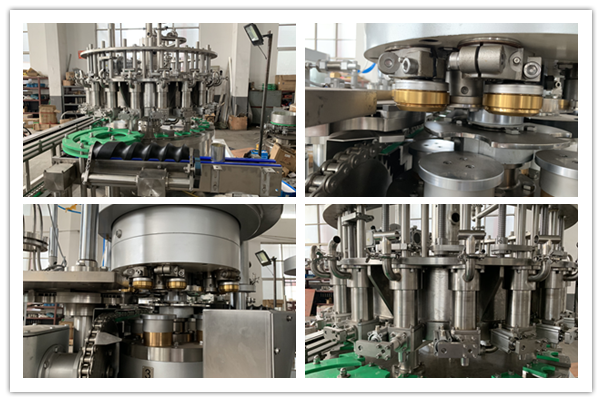
In the ever-evolving landscape of brewing, efficiency and precision are paramount. The advent of automatic beer filling machines represents a significant technological leap that addresses the demands of both large-scale breweries and craft breweries alike. This article delves into the mechanics, benefits, and considerations surrounding these machines, ensuring that you are equipped with practical insights to enhance your brewing operations.
Understanding Automatic Beer Filling Machines
Automatic beer filling machines are sophisticated devices designed to streamline the packaging process of beer. Utilizing advanced technologies, they automate the filling, capping, and sometimes labeling processes, significantly reducing the need for manual labor and minimizing human error. These machines come in various configurations, catering to diverse production scales from microbreweries to large-scale commercial breweries.
Types of Beer Filling Machines
Beer filling machines can generally be categorized into several types:
- Gravity Fillers: These machines utilize gravity to fill bottles, kegs, or cans. They are most effective for products with low carbonation levels and are typically suitable for smaller batches.
- Pressure Fillers: Employed for carbonated beverages, pressure fillers maintain the pressure in the container, ensuring the beer remains fresh and avoids foaming during the filling process.
- Counter Pressure Fillers: Ideal for high carbonation beers, these machines allow for filling under pressure, thus preserving the integrity and taste of the beer.
- Rotary Fillers: These machines use a rotating mechanism for high-speed filling, suitable for large-scale production environments.
Benefits of Implementing Automatic Beer Filling Machines
The integration of automatic beer filling machines into your production line offers myriad benefits that transcend beyond mere convenience. Below, we explore the primary advantages associated with these innovative machines.
Enhanced Efficiency
One of the most significant advantages is the improvement in operational efficiency. Automatic filling machines can operate at high speeds, filling numerous bottles or cans per minute. This capability not only accelerates the production process but also allows breweries to meet increasing demand without compromising quality.
Consistency and Quality Control
With automatic machines, filling volumes and processes are carefully controlled, leading to consistent product quality. Unlike manual filling, which can be prone to variances due to human error, automated systems ensure that each unit is filled to the same level, thereby enhancing customer satisfaction.
Cost Savings
Although the upfront investment in automatic filling technology may seem significant, the long-term savings are noteworthy. Reduced labor costs, minimized product waste, and efficient production timelines contribute to overall financial benefits. Additionally, as operational efficiency improves, breweries can allocate resources towards innovation and quality enhancement.
Key Considerations When Choosing an Automatic Beer Filling Machine
While the advantages of automatic beer filling machines are compelling, several factors must be considered before making a purchase decision. Understanding these considerations can aid in selecting a machine that best suits your brewery’s specific needs.
Production Scale
The volume of beer produced is a primary factor in choosing a filling machine. Smaller breweries may benefit from semi-automatic systems, whereas larger operations may require fully automated, high-capacity machines to handle larger volumes
.
Type of Packaging
Your choice of packaging—bottles, cans, or kegs—will significantly impact your machinery selection. Each packaging type may require different filling technologies, so it’s essential to align machine specifications with your chosen format.
Integration with Existing Systems
Consider how well the new filling machine can integrate with your existing production line. Seamless integration minimizes disruptions and enhances workflow efficiency. Assess compatibility with other equipment such as pasteurizers and labeling machines.
Operational Support and Maintenance
Investing in a filling machine includes a commitment to ongoing maintenance. Consider the manufacturer’s support options and the availability of replacement parts. Opt for machines that offer user-friendly interfaces and require minimal training for operators.
Best Practices for Operating Automatic Beer Filling Machines
<pTo ensure optimal performance and longevity of your automatic beer filling machine, implementing best operational practices is vital:
Regular Maintenance and Calibration
Establish a routine maintenance schedule to keep the machinery in excellent condition. Regular inspections and calibration are essential for maintaining optimal filling accuracies and preventing downtime due to malfunction.
Training Employees
Proper training for employees is crucial to maximizing the potential of your machine. Knowledgeable operators can identify issues early, perform routine maintenance, and operate the machine to its full capabilities.
Monitoring Production Metrics
Utilize production data and metrics to assess efficiency, output, and potential areas for improvement. Monitoring key performance indicators (KPIs) such as fill rates and downtime can help streamline processes and increase profitability.
The Future of Automatic Beer Filling Technology
As technology continues to advance, the future of automatic beer filling machines appears promising. Innovations such as IoT (Internet of Things) integration, enhanced robotics, and AI-driven analytics are poised to revolutionize operations. These advancements can lead to predictive maintenance, real-time monitoring, and enhanced customization capabilities.
Sustainability and Eco-Friendly Options
The brewing industry is increasingly focusing on sustainable practices. Future trends in filling technology may incorporate eco-friendly materials, energy-efficient systems, and processes that reduce waste, aligning with the growing consumer demand for sustainable products.
Conclusion
Automatic beer filling machines are more than just a luxury—they have become essential for breweries aiming to scale operations while ensuring quality and consistency. By understanding their mechanics, evaluating key considerations before purchasing, and implementing best practices in operational protocols, breweries can optimize their production processes. As technology continues to evolve, staying informed about new developments will empower breweries to adapt and thrive in an ever-competitive market.
In conclusion, whether you are a budding craft brewery or an established company, embracing automatic beer filling technology is a strategic move that can set the foundation for a future filled with growth and innovation.


