
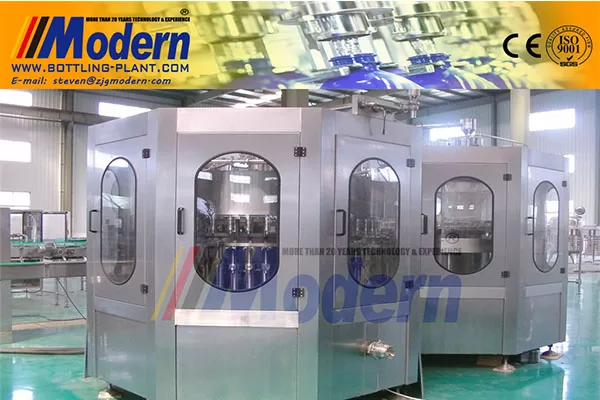
In the fast-paced world of manufacturing and production, the efficiency of packaging processes is paramount. Rotary filling and capping machines have emerged as critical components of modern packaging lines, particularly in industries such as food and beverage, pharmaceuticals, cosmetics, and household products. This article delves deep into the mechanics, benefits, and best practices associated with rotary filling and capping machines, providing insights for manufacturers looking to enhance their operations.
The Fundamentals of Rotary Filling and Capping Machines
Rotary filling and capping machines are designed to automate the processes of filling containers and sealing them securely. These machines utilize a rotary platform where containers are moved along a circular track, enabling fast and efficient filling and capping. Typically, this type of equipment can handle various container sizes and shapes, including glass, plastic, and metal.
The filling process generally involves the precise delivery of liquid or viscous products into the containers, followed closely by the capping of these containers to ensure product integrity. Rotary machines can be particularly advantageous for high-volume production lines, as their design helps minimize downtime and maximize throughput.
Key Benefits of Rotary Filling and Capping Machines
1. Increased Efficiency
One of the most significant advantages of rotary filling and capping machines is their ability to operate at high speeds. While traditional filling methods may require manual labor or slower semi-automated systems, rotary machines can achieve a fill and cap rate of hundreds, if not thousands, of containers per hour. This efficiency can lead to significant cost savings and increased production capacity.
2. Precision and Accuracy
Rotary machines are engineered for precision. They come equipped with advanced filling technologies that minimize overfilling or underfilling, which are common issues in packaging. This accuracy ensures that each container meets regulatory standards and that the manufacturer avoids product loss, thereby improving profitability.
3. Versatility
Modern rotary filling and capping machines offer adaptability to a range of products and container types. Whether a manufacturer needs to package liquids, powders, or granules, rotary machines can be customized with different filling mechanisms and capping methods, making them suitable for various applications.
4. Reduced Labor Costs
By automating the filling and capping processes, businesses can significantly reduce their dependence on manual labor. While some operators will still be needed to oversee the machinery and perform maintenance, the reduced labor costs can lead to overall savings for the operation. Additionally, this shift allows workers to focus on more strategic tasks that contribute to growth and innovation.
5. Improved Hygiene Standards
In industries where cleanliness is crucial, such as food production and pharmaceuticals, rotary machines often feature advanced sanitization processes and materials that comply with hygiene regulations. Automated systems minimize human interaction, thereby reducing the risk of contamination.
Choosing the Right Rotary Filling and Capping Machine
When selecting a rotary filling and capping machine, several critical factors should be considered to ensure optimal performance and alignment with business needs:
1. Product Characteristics
Understanding the properties of the product being packaged is vital. Consider viscosity, temperature, consistency, and whether the product requires special handling or storage conditions. For instance, a highly viscous liquid might require a piston filler, while a thin liquid could benefit from a gravity filler.
2. Container Types
The choice of container affects the design and functionality of the machinery. Identify the materials (plastic, glass, metal) and shapes (bottles, jars, tubes) that will be used. Make sure the machine can accommodate these varied container types without a compromise in process efficiency.
3. Output Requirements
Evaluate production volume requirements. Rotary machines are available in various configurations, so it is essential to select one that matches intended output without bottlenecks. Understand the balance between machine speed and changeover times for different products.
4. Compliance and Standards
Ensure that the machinery meets all relevant industry standards and regulatory requirements. This is crucial, especially for food and pharmaceutical industries, where regulations govern safety, hygiene, and traceability.
5. Technology and Automation Features
Consider the technological aspects of the machine, such as touchscreens, integrated monitoring systems, and connectivity features for IoT applications. Advanced technology can enhance operational efficiency, data collection, and analysis, contributing to process improvements.
Maintenance and Operating Strategies
To maximize the lifespan and performance of rotary filling and capping machines, effective maintenance strategies are essential. Here are some practical tips:
1. Regular Inspection
Implement routine inspections to identify potential issues before they escalate. This includes checking components, belts, and seals for wear and tear. Regular maintenance schedules can prevent downtime and costly repairs.
2. Training for Operators
Provide thorough training for personnel who will operate the machines. Understanding machine capabilities, troubleshooting common problems, and safety procedures are crucial for maintaining smooth operations.
3. Adhering to Cleaning Protocols
Develop and enforce strict cleaning protocols. This is especially critical in the food and pharmaceutical industries. Automated cleaning systems can reduce labor intensity while ensuring compliance with hygiene standards.
4. Upgrading Technology
Consider periodic upgrades to software and hardware components to incorporate the latest advancements in rotary filling and capping technology. Staying updated can improve efficiency and expand capabilities.
The Future of Rotary Filling and Capping Machines
The packaging industry is evolving, with innovations even in rotary filling and capping machinery. Future trends are likely to include:
1. Integration of AI and Automation
Artificial intelligence and advanced automation will likely play a more prominent role in optimizing machine performance. Smart machinery can predict maintenance needs, adjust processes in real-time, and enhance overall efficiency.
2. Sustainable Packaging Solutions
As sustainability becomes increasingly important, rotary filling and capping machines must adapt to handle eco-friendly materials and facilitate recyclable packaging processes. Innovations in materials and design will drive this transformation.
3. Customized and Flexible Production
With the rise of personalized products and short-run manufacturing, rotary filling and capping machines are expected to evolve towards greater flexibility, allowing manufacturers to easily switch between products and configurations without extensive downtime.
Conclusion
Rotary filling and capping machines are indispensable in achieving efficient, precise, and hygienic packaging in various industries. By understanding the mechanics and benefits of these machines, manufacturers can make informed decisions that enhance productivity and reduce costs. Embracing technology, prioritizing maintenance, and keeping abreast of industry innovations will position companies to thrive in an ever-evolving market landscape.


