
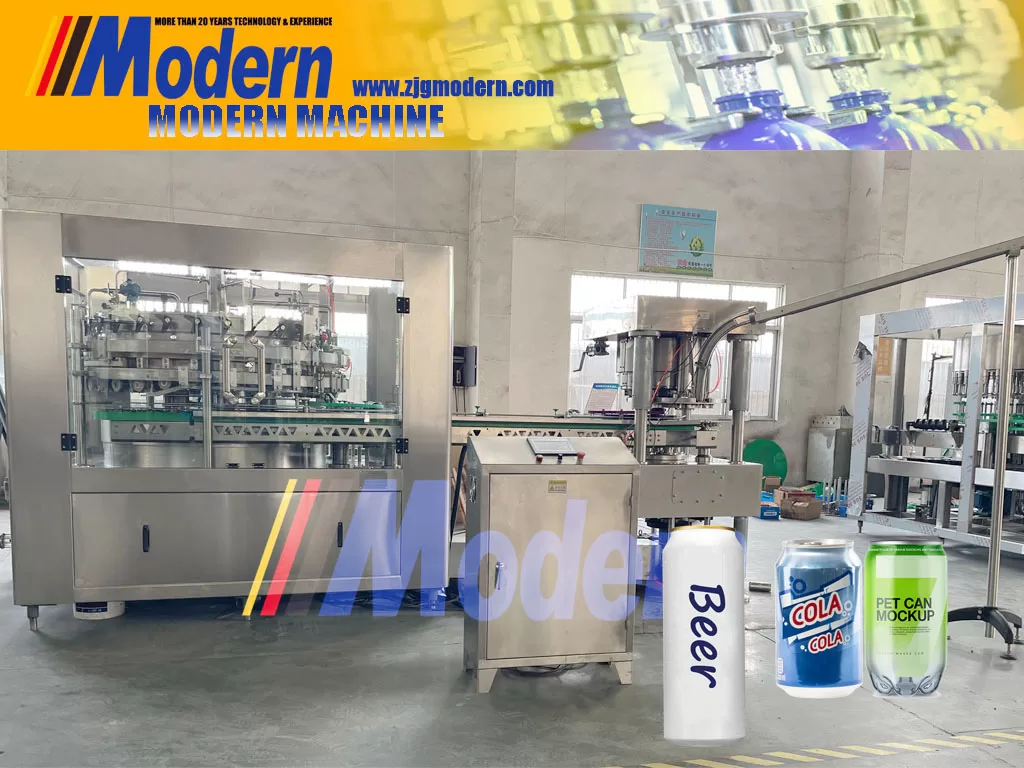
In the realm of manufacturing, few operations are as intricate and multifaceted as those found in a soft drinks bottling plant. These facilities are not only vital for meeting consumer demand but also serve as critical nodes in the broader supply chain. This article delves into the various dimensions of a soft drinks bottling plant, exploring operational processes, technological advancements, quality control measures, sustainability practices, and market considerations. By the end, readers will gain a comprehensive understanding of the factors that contribute to the success of a soft drinks bottling operation.
Understanding the Bottling Process
The bottling process in a soft drinks plant is a complex assembly of various stages, each crucial for ensuring the final product’s quality and safety. The primary steps include:
1. Ingredient Preparation
The first stage in the bottling process involves the careful selection and preparation of ingredients. This typically includes water, sweeteners, flavorings, and carbonation. The quality of water is paramount, as it constitutes the majority of the beverage. Many plants employ sophisticated filtration and purification systems to ensure that the water meets stringent health and safety standards.
2. Mixing and Carbonation
Once the ingredients are prepared, they are mixed in precise proportions to create the desired beverage flavor. This step often involves advanced mixing technologies that ensure uniformity. After mixing, carbonation is introduced, which not only enhances the taste but also contributes to the beverage’s shelf life. The carbonation process must be carefully controlled to achieve the right fizziness that consumers expect.
3. Filling and Capping
After carbonation, the beverage is transferred to the bottling line, where it is filled into pre-washed and sterilized bottles. This stage requires high-speed filling machines that minimize exposure to air, thereby reducing the risk of contamination. Following filling, caps are securely placed on the bottles, often using automated capping machines that ensure a tight seal to maintain carbonation and freshness.
4. Labeling and Packaging
The labeling process is essential for branding and compliance with regulatory requirements. Labels must include nutritional information, ingredients, and barcodes for tracking. After labeling, bottles are packaged into cartons or pallets for distribution. Automation plays a significant role in this stage, enhancing efficiency and reducing labor costs.
Technological Advancements in Bottling
In recent years, technological innovations have transformed the soft drinks bottling industry. Here are some key advancements that have improved efficiency and product quality:
1. Automation and Robotics
Automation has revolutionized the bottling process, allowing for faster production rates and reduced human error. Robotic systems are increasingly used for tasks such as palletizing, packaging, and even quality control. This not only enhances efficiency but also allows human workers to focus on more strategic roles within the plant.
2. Internet of Things (IoT)
The integration of IoT technologies has enabled real-time monitoring of production lines. Sensors can track everything from temperature and pressure to bottling speed and product quality. This data can be analyzed to optimize processes, reduce waste, and predict maintenance needs before issues arise.
3. Energy-Efficient Systems
Energy consumption is a significant concern in bottling plants. New energy-efficient machinery and practices, such as heat recovery systems and energy-efficient motors, can drastically reduce a plant’s carbon footprint. Implementing these systems not only cuts costs but also aligns with growing consumer demand for sustainable practices.
Quality Control Measures
Quality control is a critical aspect of any soft drinks bottling plant. Ensuring that products meet safety and quality standards is essential for consumer satisfaction and regulatory compliance. Here are some key quality control measures:
1. Raw Material Testing
Before production begins, all raw materials must undergo rigorous testing to ensure they meet quality standards. This includes testing for contaminants, verifying ingredient specifications, and ensuring that suppliers comply with safety regulations.
2. In-Process Quality Checks
Throughout the bottling process, regular quality checks should be conducted. This includes monitoring the carbonation levels, pH balance, and taste profile. Automated systems can help in maintaining consistency by providing real-time data and alerts if parameters deviate from established norms.
3. Final Product Testing
Before products are shipped, a final quality assessment is conducted. This includes checking for proper sealing, label accuracy, and overall appearance. Random sampling and testing of finished products for microbial contamination and shelf-life stability are also essential to ensure consumer safety.


