
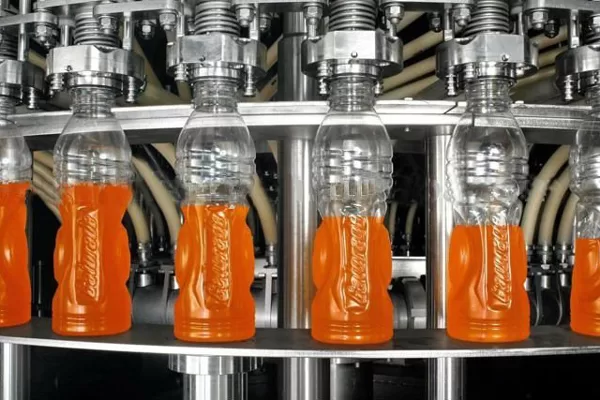
In the contemporary landscape of manufacturing and packaging, filling machines serve as a cornerstone for industries ranging from food and beverage to pharmaceuticals and cosmetics. Their primary function is to accurately dispense a specified volume of a product into containers, ensuring efficiency, consistency, and optimal quality. To appreciate the complexity of filling machines and their crucial components, it is essential to delve into their operational mechanisms, types, and the intricacies of their parts. This article will provide insights into filling machine components, offering practical advice for selecting and maintaining these machines for optimal performance.
The Importance of Filling Machines in Modern Industries
Filling machines are not mere instruments; they play an integral role in enhancing production efficiency and maintaining product quality. In various sectors, the need for precision in filling processes is paramount. For instance, in the food industry, improper filling can lead to product spoilage or wastage, while in pharmaceuticals, accurate dosages are critical to ensure patient safety and regulatory compliance. The evolution of filling machines reflects technological advancements aimed at addressing challenges such as speed, accuracy, and flexibility in production lines.
Key Components of Filling Machines
Understanding the various components of filling machines is essential for manufacturers seeking to optimize their operations. Below are the key components that constitute most filling machines, alongside their functions and significance.
1. Hoppers
The hopper is where the product is stored before it is dispensed into containers. This component can vary greatly in size and shape, depending on the type of product being filled. Understanding the correct hopper design is crucial as it affects the flow rate and overall efficiency of the filling process. Additionally, the hopper should be easily accessible for cleaning and maintenance to prevent cross-contamination.
2. Filling Nozzles
Filling nozzles are the most critical component as they determine the accuracy and speed of dispensing. There are various types of nozzles including gravity, piston, vacuum, and pump-driven nozzles. The selection of nozzles depends on the viscosity and nature of the product being filled. Regular inspection and maintenance of filling nozzles are vital to ensure consistency in fill volumes and prevent drips or spills that can lead to product loss.
3. Pumps
Pumps are utilized to transport the product from the hopper to the filling nozzles. The choice of pump directly influences the machine’s overall efficiency. Depending on the nature of the liquid (e.g., thick, thin, viscous), different types of pumps such as diaphragm, gear, or peristaltic pumps may be employed. Understanding the pump’s specifications and compatibility with the product is essential for ensuring optimal performance.
4. Conveyor Systems
A conveyor system integrates with filling machines to automate the process of transporting containers to and from the filling stations. It helps increase production speed and reduces manual handling. The design and configuration of conveyor systems need careful planning to ensure smooth operation without bottlenecks, and should accommodate the specific dimensions of the containers used.
5. Control Systems
Modern filling machines are equipped with advanced control systems that allow for automation, monitoring, and adjustments in real-time. These systems include touch screens, PLCs (Programmable Logic Controllers), and software that provide feedback and allow operators to make necessary adjustments easily. Investing in a robust control system enhances ease of use and accuracy, proving essential for high-volume production lines.
6. Sensors and Safety Features
Incorporating sensors into filling machines enhances operational safety and efficiency. They can detect container presence, ensure proper positioning, and monitor fill levels. Safety features, such as emergency stop buttons and automatic shut-off mechanisms, are also critical for preventing accidents and protecting personnel. Regular testing of these components ensures reliable performance and compliance with safety standards.
Types of Filling Machines
Filling machines come in various types, each engineered to cater to specific needs and product characteristics. Understanding these types can aid businesses in choosing the right machine for their operations.
1. Volumetric Filling Machines
Designed to dispense a set volume of liquid, volumetric filling machines are known for their accuracy and speed. They work on the principle of displacement or using electronic measurement systems. These machines are particularly useful for products where exact quantities matter, such as in pharmaceuticals and beverages.
2. Gravimetric Filling Machines
Gravimetric filling machines utilize weight as the basis for dispensing product. They are connected to scales that measure the weight of the product being filled, ensuring precise quantities. This type is particularly beneficial for applications requiring high accuracy and is often seen in industries dealing with powders or granules.
3. Piston Filling Machines
Piston filling machines utilize a piston to draw and release the product, making them suitable for viscous liquids, creams, and gels. These machines provide excellent fill accuracy and are versatile, as they can accommodate various container sizes and shapes.
4. Pressure Filling Machines
Pressure filling machines use pressure to dispense products, making them ideal for carbonated beverages and other foamy liquids. They ensure that products maintain their integrity and are dispensed without excessive foaming, which can hinder production efficiency.
Practical Advice for Selecting Filling Machines
Choosing the right filling machine involves careful consideration of several factors:
1. Product Characteristics
Evaluate the viscosity, chemical properties, and consistency of the product. This will influence not only the type of filling machine required but also the specific components, such as pump types and nozzle designs.
2. Required Speed and Volume
Determine the production volume and speed requirements. It’s essential to balance these demands with the expected fill accuracy to maintain product quality while achieving efficiency.
3. Cleanability
In industries such as food and pharmaceuticals, maintaining hygiene is critical. Opt for filling machines that offer easy disassembly and cleaning capabilities to ensure compliance with health and safety regulations.
4. Budget Considerations
While investing in advanced filling machines can bring long-term benefits, staying within your budget is crucial. Consider not only the initial outlay but also the total cost of ownership, including maintenance and potential downtime.
Maintenance Tips for Longevity of Filling Machines
Proper maintenance is essential to extend the lifespan of filling machines and maintain their efficiency. Here are key practices to consider:
1. Regular Cleaning
Implement a routine cleaning schedule to prevent product buildup and cross-contamination. Choose cleaning agents suitable for the specific materials and products used.
2. Component Checks
Regularly inspect all components, including nozzles, pumps, and sensors, for wear and tear. Replace components as needed to prevent breakdowns.
3. Calibration
Regularly calibrate your filling machines to ensure accurate dispensing. This is especially critical in industries where precision is paramount.
4. Staff Training
Train staff adequately on the operation and maintenance of filling machines to avoid misuse and ensure they are familiar with troubleshooting common issues.
Conclusion
Filling machines are indispensable in the manufacturing and packaging sectors, and their components play a vital role in determining operational efficiency and product quality. By understanding these components, selecting the appropriate type of filling machine, and adhering to maintenance best practices, businesses can enhance their production capabilities and maintain a competitive edge in the market. Investing in the right filling machine setup will streamline operations while ensuring the delivery of high-quality products to consumers.


