In the rapidly evolving world of food and beverage production, juice filling represents a critical segment that combines efficiency, quality, and consumer satisfaction. As global demand for fresh and packaged beverages rises, understanding the nuances of juice filling—ranging from the methods used to the machinery involved and the quality control measures implemented—is essential for manufacturers looking to optimize their production processes. This article delves into various dimensions of juice filling, providing practical advice and insights for industry stakeholders.
Understanding the Juice Filling Process
The juice filling process involves several key stages, including fruit selection, extraction, pasteurization, and packaging. Each stage plays a vital role in determining the final product’s quality and shelf life.
1. Fruit Selection and Preparation
The journey begins with selecting high-quality fruits. Freshness, ripeness, and absence of defects are paramount. Upon arrival at the processing facility, fruits undergo thorough washing, sorting, and cutting to prepare them for juicing. This initial step is crucial, as it directly impacts the flavor and nutritional value of the juice.
2. Juice Extraction
A variety of extraction methods are available, including cold pressing and centrifugal juicing. Cold pressing retains higher nutritional properties but may have lower yield rates, while centrifugal juicing is faster but can generate heat, potentially degrading some nutrients. Manufacturers need to weigh these pros and cons while selecting the appropriate extraction method for their product line.
3. Pasteurization and Quality Control
Pasteurization of juice is a significant step that involves heating the product to kill harmful bacteria while preserving its flavor and nutrients. High-temperature short-time (HTST) is a common method, but other techniques like flash pasteurization and hot fill also exist. Implementing strict quality control during and after pasteurization ensures adherence to health standards and enhances shelf stability.
The Juice Filling Machinery
At the heart of the juice filling operation lays an assortment of machines designed to streamline the process, enhance efficiency, and maintain product integrity. Understanding the types of equipment available and their functions is vital for optimizing production.
1. Juice Filling Machines
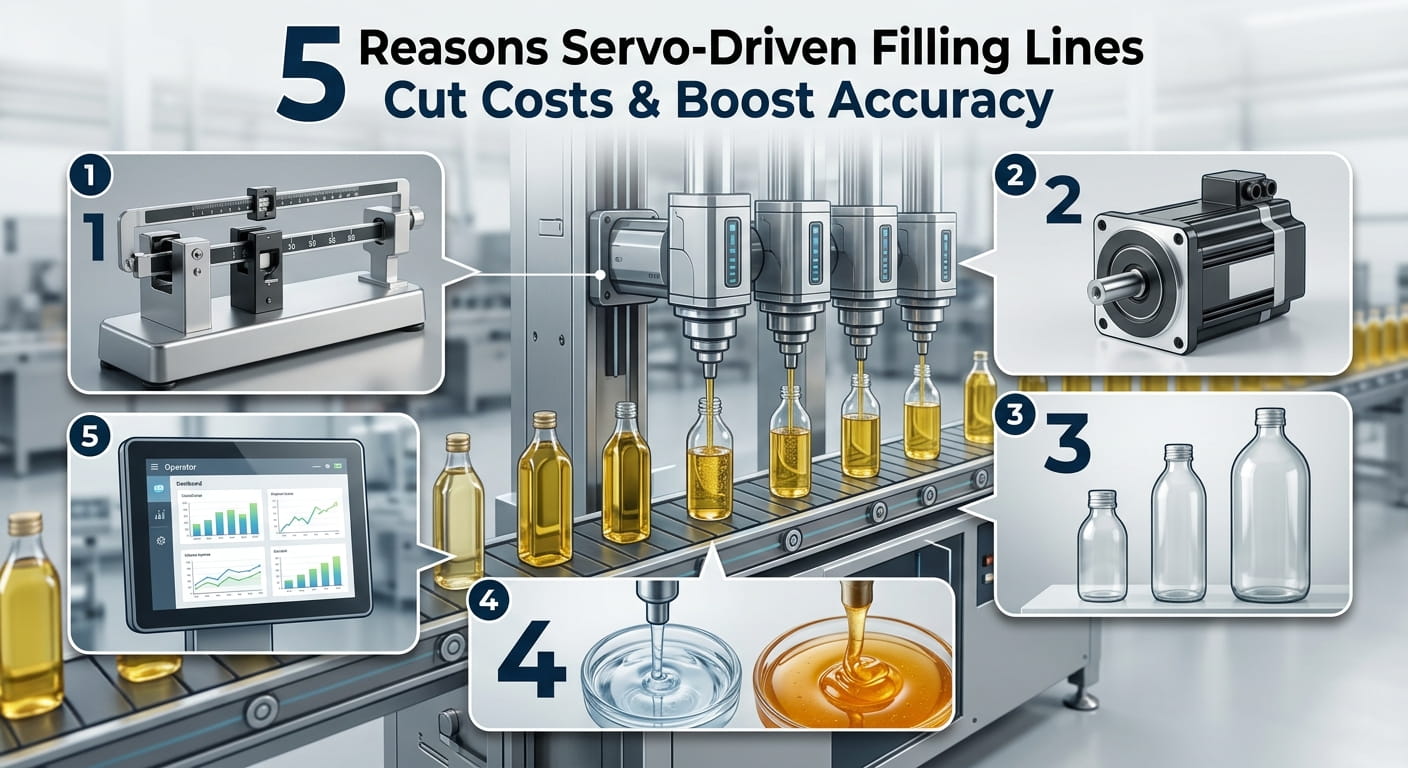
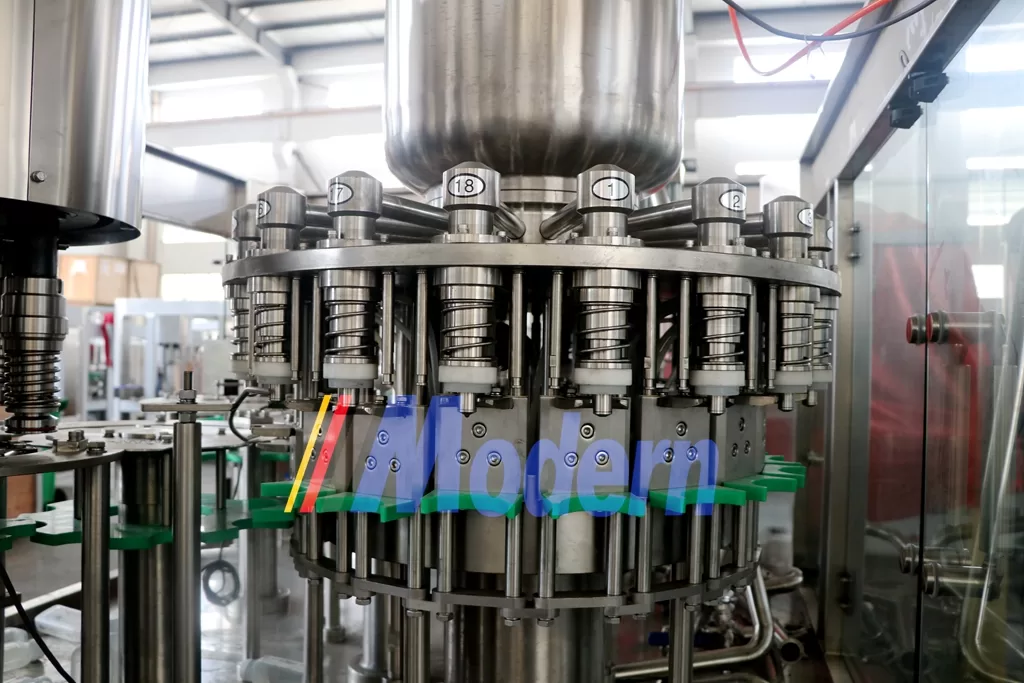
There are primarily two types of juice filling machines: volumetric and weight-based. Volumetric fillers dispense a fixed volume of juice, while weight-based fillers measure the juice’s weight, ensuring accuracy and consistency. Choosing the appropriate filling machine is essential for meeting production targets and maintaining quality.
2. Capper and Labeling Equipment
Following the filling process, capping machines secure closures on bottles, which is essential for preventing contamination. Labeling equipment applies regulatory and branding labels, which are important for product information and marketing. The integration of these machines into the production line promotes efficiency and compliance with industry standards.
3. Clean-in-Place (CIP) Systems
Maintaining hygiene in juice production is non-negotiable. CIP systems enable automatic cleaning of tanks, pipelines, and other equipment without disassembly, ensuring that all components remain sanitary and that cross-contamination is minimized.
Best Practices for Efficient Juice Filling Operations
Implementing best practices in juice filling operations can have profound effects on overall efficiency, product quality, and customer satisfaction. Here are several actionable recommendations:
1. Regular Maintenance and Calibration
Routine maintenance of machinery is crucial for preventing breakdowns and ensuring consistent operation. Equipment should be periodically calibrated to maintain accuracy in filling volumes and weights. Companies may also benefit from investing in training for their maintenance staff to recognize early signs of potential issues.
2. Optimize Filling Speed and Rate
While maximizing output is essential, it should not come at the expense of quality. Analyzing the production line to identify bottlenecks can help in redistributing tasks and optimizing the speed of filling machines. This can streamline operations while ensuring that quality standards remain uncompromised.
3. Employee Training and Safety Protocols
A skilled workforce plays a significant role in achieving operational excellence. Providing ongoing training to employees about best practices, equipment handling, and safety protocols can reduce accidents, increase productivity, and foster a culture of quality awareness. Regular training sessions and workshops can empower employees and keep them updated on industry standards.
Market Trends and Consumer Preferences
Industry trends play a significant role in shaping juice filling practices. As consumer preferences shift, understanding these trends can help manufacturers adapt their strategies accordingly.
1. Clean Label and Healthy Options
Consumers are increasingly leaning towards health-conscious products with clear, understandable ingredient lists. Manufacturers should consider formulating juices with fewer additives and preservatives. Highlighting benefits such as organic certifications or non-GMO status on packaging can attract a broader customer base.
2. Innovative Packaging Solutions
Packaging is more than just functionality; it’s integral to branding and customer appeal. Eco-friendly packaging options, such as biodegradable containers or recyclable materials, align with the sustainability values of today’s consumers. Investing in innovative packaging designs can distinguish products on the shelves and enhance marketability.
3. E-commerce and Direct-to-Consumer Sales
The growth of e-commerce has transformed the juice market landscape. Establishing an online presence and exploring direct-to-consumer sales models can create new revenue streams. Companies should consider developing user-friendly websites and utilizing social media platforms to engage customers and promote new products.
Conclusion
Juice filling is a multifaceted process that requires careful planning, precise execution, and continuous adaptation to market demands. By focusing on quality at every stage—from fruit selection to the latest technologies in filling machinery—manufacturers can provide beverages that not only meet but exceed customer expectations. With a keen eye on industry trends and a commitment to best practices, companies in the juice filling sector can navigate challenges effectively and position themselves for long-term success in a competitive market.
Ultimately, the future of juice filling lies in embracing innovation while prioritizing quality, sustainability, and consumer engagement. By taking actionable steps today, manufacturers can ensure a thriving and dynamic presence in the beverage industry of tomorrow.