
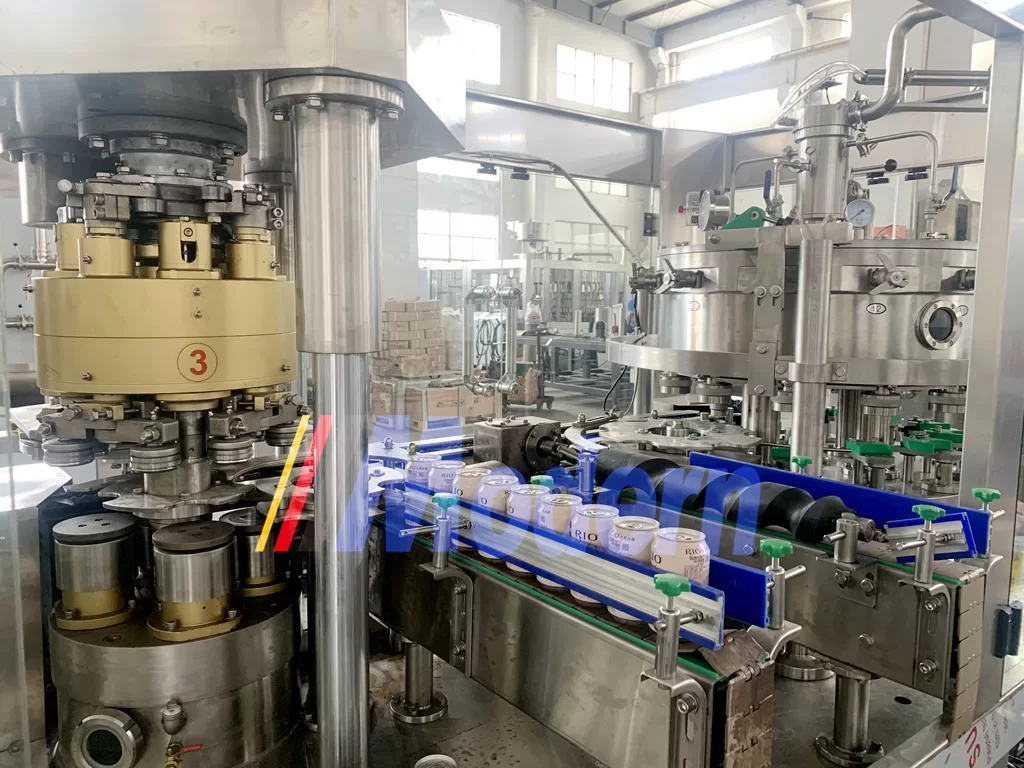
In today’s fast-paced world, access to clean drinking water is more important than ever. The demand for bottled water is soaring, making drinking water filling machines a critical component in the beverage production industry. These machines not only streamline the bottling process but also improve efficiency and ensure water quality. This article delves into the various aspects of drinking water filling machines, including types, operational principles, maintenance tips, and their significance in international trade.
What Are Drinking Water Filling Machines?
Drinking water filling machines are specialized equipment designed to automate the process of filling bottles with purified water. These machines can be found in various scale operations, from small-scale cottage industries to large, automated bottling plants. The efficiency of these machines makes them indispensable for businesses that aim to meet the ever-growing demand for bottled water.
Types of Drinking Water Filling Machines
Drinking water filling machines can be categorized based on their operational methods and capacity. Understanding the different types can help businesses choose the right machine for their production needs.
1. Gravity Filling Machines
Gravity filling machines utilize the gravitational force to fill bottles with water. The machine has a reservoir that holds the water, which flows into the bottles based on the principle of gravity. These machines are relatively simple and cost-effective, making them suitable for small-scale operations. However, they may not be ideal for very high-speed production lines due to their slower filling rates.
2. Pressure Filling Machines
Pressure filling machines use air pressure to fill bottles quickly and efficiently. These machines are designed to maintain a constant, accurate bottle fill level, which is crucial for quality control. They are ideal for high-speed operations but typically require more complex setups and maintenance due to their multifaceted components.
3. Vacuum Filling Machines
Vacuum filling machines operate by creating a vacuum that pulls the water into the bottles. This method minimizes air exposure, ensuring the water’s quality remains intact. Vacuum filling is particularly beneficial for filling sensitive liquids that require careful handling. Although more expensive, these machines are essential for businesses aiming for high-quality production.
4. Fully Automatic Filling Machines
Fully automatic filling machines are designed for large-scale operations. They integrate multiple functions—filling, capping, and labeling—into one streamlined process. These machines have advanced features such as precise control systems, high-speed operation, and enhanced safety measures, making them suitable for high-volume production lines.
How Drinking Water Filling Machines Operate
The operation of drinking water filling machines involves several crucial steps that ensure efficiency and quality control. Understanding these stages helps businesses optimize their production workflows.
1. Bottle Preparation
Prior to filling, bottles must be cleaned and sterilized to prevent contamination. Some machines incorporate bottle rinse functions, where bottles are washed with purified water or other suitable solutions before being filled.
2. Filling Process
Once prepared, bottles enter the filling station. Depending on the machine type, bottles are filled using gravity, pressure, or vacuum methods. Operators can set specific fill levels, which can be adjusted based on requirements.
3. Capping
After filling, bottles move to the capping station, where caps are securely attached to prevent leakage or contamination. Many modern machines automatically cap bottles, ensuring consistency and speed.
4. Labeling and Packaging
Finally, once capped, bottles are labeled and packaged for distribution. Automated labeling machines can apply labels accurately and quickly, further streamlining the production process.
Importance of Drinking Water Filling Machines in International Trade
With globalization and increasing demand for bottled water, the role of drinking water filling machines in international trade cannot be overstated. Here are a few ways these machines significantly impact the global beverage market:
1. Meeting Global Standards
As countries implement stricter regulations regarding food and beverage safety, having high-quality filling machines helps manufacturers comply with international standards. This compliance is crucial for businesses looking to export their products to other countries.
2. Enhancing Production Efficiency
Filling machines contribute to increased production efficiency, allowing businesses to keep up with global demand. By automation and streamlining processes, companies maximize output while minimizing labor costs.
3. Facilitating Cost-Effective Shipping
High-capacity filling machines enable producers to create larger batches of bottled water, which reduces packaging costs and optimizes shipping. Efficient use of space in shipping containers leads to lower transport costs when exporting products internationally.
Maintenance and Care for Drinking Water Filling Machines
Regular maintenance of drinking water filling machines is crucial for sustaining operational efficiency, minimizing downtime, and prolonging machinery life. Here are some actionable maintenance tips:
1. Regular Cleaning
To maintain hygiene and water quality, regular cleaning is essential. Operators should follow the manufacturer’s guidelines on cleaning protocols, ensuring all parts that come into contact with water are cleaned and sanitized adequately.
2. Routine Inspections
Conducting routine inspections of machine components helps identify any wear or damage early on. Check for leaks, ensuring that seals and gaskets are intact, and observe any irregularities in operation.
3. Lubrication
The moving parts of filling machines require proper lubrication to function optimally. Operators should regularly check that all moving parts are adequately lubricated per the manufacturer’s instructions.
4. Component Replacement
Identifying when components need replacing is critical to maintaining machine performance. Keeping a log of machine usage can help predict when certain parts require replacement, preventing unexpected breakdowns.
Choosing the Right Drinking Water Filling Machine
When selecting a drinking water filling machine, several factors must be considered:
1. Production Volume
Identify your production needs based on expected demand. Choose a machine that can accommodate your volume requirements without compromising quality.
2. Space Considerations
Evaluate the available space in your facility for new machinery. Ensure there is ample room not only for the machine but also for operator access and maintenance activities.
3. Budget
Determine a budget for purchasing a filling machine, including potential maintenance costs. Balancing initial investment with quality and efficiency can help achieve long-term savings.
4. Supplier Reputation
Research potential suppliers and consider their reputation in the industry. Reliable suppliers often provide quality machines along with comprehensive after-sales support.
Conclusion
Drinking water filling machines are essential tools in the beverage industry, particularly as the global demand for bottled water continues to rise. By understanding the types, operational principles, maintenance requirements, and international implications of these machines, businesses can invest wisely and ensure they are equipped to meet both domestic and global demands. With the right choice of machinery and adherence to maintenance protocols, companies can optimize their production processes, enhance product quality, and ultimately thrive in today’s competitive market.


