
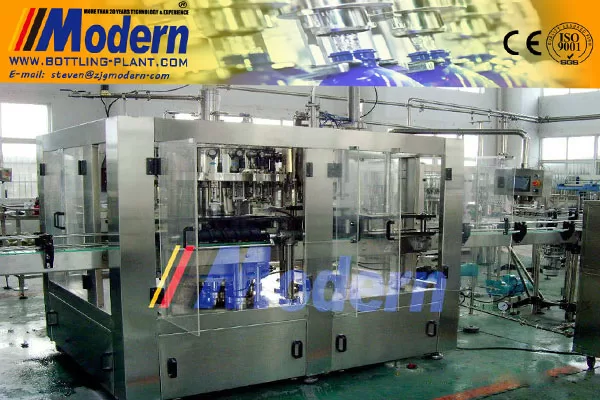
In today’s fast-paced manufacturing environment, the demand for efficient bottling solutions has never been higher. Whether for beverages, pharmaceuticals, or chemicals, the bottle filling and labeling machine serves as an indispensable apparatus. This article delves into the critical aspects of these machines, exploring various types, functionalities, advantages, and considerations for businesses aiming to optimize their production lines.
Understanding Bottle Filling Machines
At the core of any bottling operation lies the bottle filling machine, which automates the process of transferring liquids from a bulk container into pre-formed bottles. This process not only increases production speed but also ensures uniformity in quantity per bottle, thus enhancing quality control.
Types of Bottle Filling Machines
Mechanical engineering has ushered in various designs of bottle filling machines tailored to meet diverse needs:
- Gravity Fillers: Ideal for thin liquids such as water or wine, gravity fillers operate based on gravitational force to fill bottles. This method is simple and cost-effective but might not suit high-viscosity liquids.
- Piston Fillers: These machines use a piston mechanism to draw liquid and dispense it into the bottles. Piston fillers are highly versatile, perfectly suitable for both thin and thick liquids.
- Vacuum Fillers: Often employed for sensitive liquids, vacuum fillers utilize a vacuum to draw liquid into the bottle, preventing bubbles and ensuring precise fills.
- Pressure Fillers: Ideal for carbonated beverages, pressure fillers use pressure to fill the bottles, maintaining the quality of the beverage by minimizing foam.
The Role of Labeling Machines
While filling the bottles is crucial, labeling is just as significant in ensuring brand recognition and regulatory compliance. Labeling machines automate the application of labels onto bottles and come in various configurations to accommodate different production requirements.
Types of Labeling Machines
Labeling machines can be categorized based on their method of application:
- Wrap-Around Labelers: These machines apply labels to the entire circumference of the bottle, suitable for cylindrical containers.
- Front and Back Labelers: Designed for bottles requiring labels on both the front and back, these machines deliver efficiency and accuracy in labeling.
- Top Labelers: Top labelers apply labels to the top of flat bottles or containers, essential for products requiring upper labeling.
Advantages of Automated Filling and Labeling
Implementing automated bottle filling and labeling machines can yield significant benefits for manufacturing entities:
- Increased Efficiency: Automated systems drastically enhance production speed while reducing labor costs, allowing businesses to scale operations easily.
- Consistency and Accuracy: Automated machines ensure uniform filling and accurate placement of labels, reducing human error and enhancing product quality.
- Flexibility: Many modern systems are designed to handle various bottle sizes and shapes, providing businesses with versatility in their product offerings.
- Ease of Integration: With advancements in technology, integrating filling and labeling systems with existing production lines has become more straightforward.
Practical Considerations When Choosing a Machine
Before investing in bottle filling and labeling machines, businesses should consider several factors to select the best fit for their needs:
Production Volume
Understanding your production requirements is crucial. High-volume operations may benefit from high-speed machines, while smaller businesses might opt for semi-automatic options that offer lower production speeds.
Type of Product
The nature of the liquid or product being bottled will heavily influence the choice of equipment. Consider viscosity, carbonation levels, and shelf life when selecting machines to guarantee compatibility.
Future Scalability
It’s essential to think long-term when investing in bottling equipment. Selecting machines conducive to future scaling can save companies from incurring additional costs later when they decide to expand their operations.
Budget Considerations
Machine costs can vary significantly based on complexity, brand, and included features. Businesses should conduct a thorough cost-benefit analysis to ensure a balanced decision that aligns with their financial capabilities.
Best Practices for Machine Maintenance
To ensure longevity and consistent performance, adhering to maintenance best practices is integral:
- Regular Cleaning: Keeping machines clean is vital for maintaining hygiene standards, especially in food and beverage sectors.
- Scheduled Maintenance: Implementing a routine maintenance schedule allows for prompt identification and rectification of potential issues.
- Staff Training: Ensuring that staff are trained to operate and maintain the machines correctly can significantly reduce malfunctions and prolong the machines’ lifespan.
Case Studies and Real-World Applications
Many industries have successfully implemented bottle filling and labeling machines to enhance productivity. For instance, beverage manufacturers have turned to advanced filling technologies to deal with seasonal surges in demand while ensuring quality control. In pharmaceutical applications, stringent labeling requirements necessitate precision, making automated labeling systems invaluable.
Conclusion
In summary, the selection and implementation of bottle filling and labeling machines are critical for manufacturers aiming to optimize production and ensure quality. By understanding the various types of machines available, the advantages they offer, and the practical considerations that should guide your investment decisions, businesses can make informed choices that align with their operational goals.
As the landscape of manufacturing continues to evolve, staying updated with technological advancements in filling and labeling machinery will enable companies to remain competitive in their respective markets. With strategic planning and investment, businesses can achieve greater efficiency, scalability, and, ultimately, profitability.


