
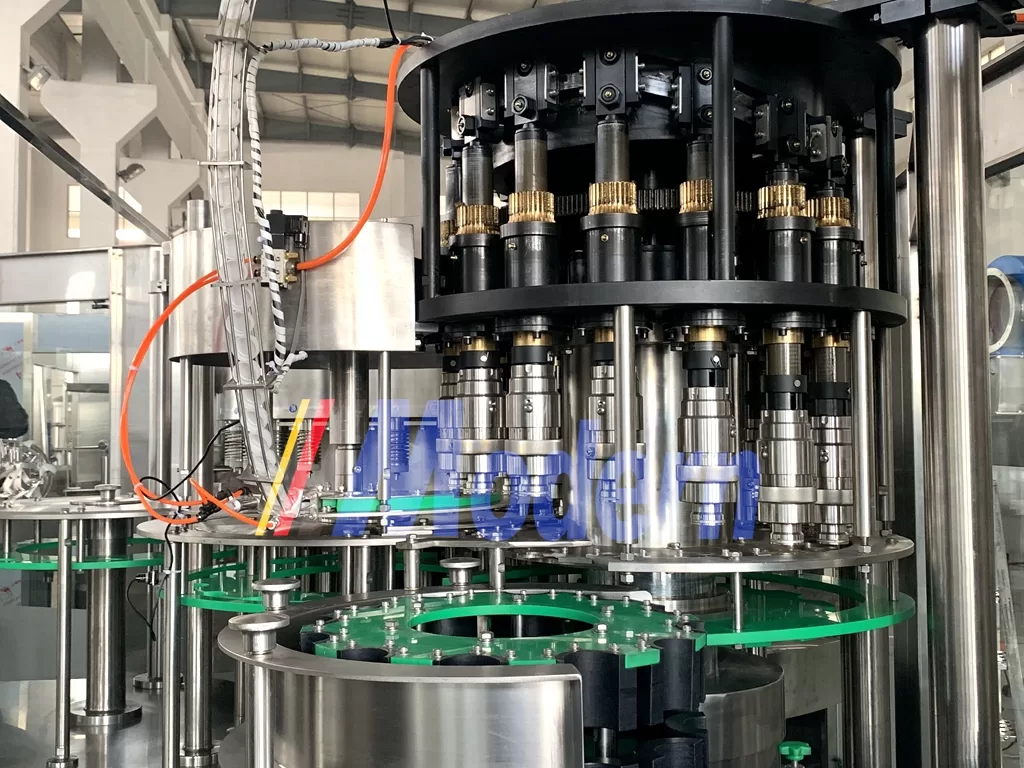
The ever-evolving world of beverage production is marked by innovations and technologies that enhance efficiency and quality. Among these advancements, beer filling lines stand out as crucial components in the brewing and packaging process. This article delves into the significance of beer filling lines, exploring their mechanics, benefits, best practices, and considerations for choosing the right equipment. Our goal is to provide valuable insights to beer producers, both large and small, seeking to optimize their operations.
Understanding Beer Filling Lines
At its core, a beer filling line is an assembly of machines designed to fill bottles, cans, or kegs with beer. The line is not just a single machine but a combination of various components, including cleaning, filling, and capping machines, which work together to ensure that beer is packaged efficiently without compromising quality or flavor.
Components of a Beer Filling Line
A typical beer filling line consists of several key components:
- Washing Station: Prior to filling, bottles or cans must be thoroughly cleaned to eliminate contaminants that could spoil the beer.
- Filler: This machine is responsible for dispensing the beer into the container. Various types of fillers exist, such as gravity fillers, pressure fillers, and vacuum fillers, each suited for different types of containers.
- Capping and Sealing Machines: After filling, the containers must be sealed securely to maintain freshness. This process involves capping bottles or lids on cans.
- Labeling Machines: Labels provide essential information about the beer, including branding and legal requirements. Automated labeling ensures consistency and efficiency.
- Inspection Systems: Quality control is critical. Inspection systems check for fill levels, cap integrity, and label accuracy before products move to shipping.
The Benefits of Automated Beer Filling Lines
Investing in an automated beer filling line can offer numerous advantages, making it a wise decision for breweries looking to scale their operations:
Increased Efficiency
Automated lines significantly speed up the filling process. Traditional manual methods are labor-intensive and time-consuming, whereas automated systems can fill dozens of bottles per minute, allowing breweries to meet growing demands without compromising on quality.
Consistency and Quality Control
Automation minimizes human error, ensuring consistent fill levels, accurate labeling, and secure capping. This consistency helps maintain the product’s integrity, enhancing customer satisfaction and brand reputation.
Cost-Effectiveness
While the initial investment in automated filling lines can be substantial, the long-term savings are noteworthy. Reduced labor costs, less product waste, and improved efficiency contribute to a favorable return on investment. Furthermore, increased production capacity can lead to higher revenue generation.
Selecting the Right Beer Filling Line
Choosing the right beer filling line is crucial for a brewery’s success. Several factors need to be considered:
Production Volume
Understanding your brewery’s production volume is vital. For small-scale operations, a semi-automated or manual filling line may suffice. In contrast, larger breweries may require fully automated lines capable of handling higher volumes efficiently.
Type of Packaging
Different filling lines are designed for specific types of packaging, including bottles, cans, or kegs. It’s essential to select a line that aligns with your packaging strategy to ensure compatibility and efficiency.
Adaptability and Modularity
As business needs evolve, breweries may require equipment that can adapt or expand in capacity. Modular systems offer flexibility, allowing breweries to add components or upgrade machinery without overhauling the entire line.
Maintenance and Support
Reliability is key in operations. Research the maintenance requirements of potential filling lines and the support services offered by manufacturers. Regular maintenance is necessary to ensure consistent performance and prolong equipment life.
Best Practices for Operating Beer Filling Lines
To maximize the benefits of a beer filling line, breweries should adhere to best practices:
Regular Training
Staff training is essential for operating filling lines efficiently. Regular training sessions ensure that employees are up-to-date on current operating procedures, troubleshooting methods, and safety protocols.
Routine Maintenance
Establish a routine maintenance schedule to inspect and service all components of the filling line. Proper maintenance minimizes downtime, reduces the risk of malfunctions, and ensures that the equipment operates at peak efficiency.
Quality Control Procedures
Implement stringent quality control measures throughout the filling process to maintain product integrity. Regularly test samples for fill levels, carbonation, and contamination, and adjust processes as necessary.
The Environmental Considerations of Beer Filling Lines
Sustainability is an increasing concern across all industries, including brewing. Beer filling lines can significantly impact a brewery’s environmental footprint. Here are some considerations:
Eco-Friendly Packaging
Choosing environmentally friendly packaging materials simplifies waste management and appeals to eco-conscious consumers. Opt for lightweight bottles and recyclable cans that reduce the ecological impact of production and transportation.
Water and Energy Efficiency
Implement energy-efficient machinery and practices within the filling line to reduce water and energy consumption. This not only helps decrease operational costs but also contributes positively to the environment.
The Future of Beer Filling Technology
The beer industry is continuously evolving, and so are the technologies behind beer filling lines. Emerging trends include:
Smart Technology Integration
With the rise of Industry 4.0, smart technologies are becoming standard in beverage production. Internet of Things (IoT) capabilities allow for real-time monitoring and analytics, improving maintenance schedules and operational efficiencies.
Customization and Personalization
As consumer preferences become increasingly diverse, filling lines capable of handling specialty beers or personalized packaging options are in demand. Future filling lines may need to integrate custom solutions that cater to unique brand identities and offerings.
Conclusion
Beer filling lines play a critical role in the brewing industry, impacting efficiency, quality, and the overall success of beverage production. By understanding their components, benefits, and operational best practices, beer producers can make informed decisions that enhance their productivity. As technology advances, embracing innovations will be key to staying competitive in this dynamic market. Whether you’re a small craft brewery or a large-scale producer, investing in the right filling solutions can lead to significant improvements in your operation and customer satisfaction.


