In an era marked by rapid industrial development and a growing emphasis on efficiency, bottle filling plants have emerged as pivotal facilities within the packaging sector. As global demand for bottled beverages continues to escalate, the significance of these plants transcends beyond simple filling tasks to encompass a series of processes that ensure product quality, efficiency, and sustainability. In this article, we delve deep into the operational intricacies of bottle filling plants, exploring their evolution, technology, and best practices for success.
The Evolution of Bottle Filling Technology
To comprehend the current landscape of bottle filling plants, it is essential to appreciate their historical context. Initially, bottling processes were manual and labor-intensive. Workers would fill bottles using simple tools, risking contamination and inefficiency. As industrialization took hold, companies began investing in machinery to improve their bottling lines, leading to the development of semi-automated filling machines.
Today, advanced technologies have revolutionized bottle filling plants. Automation now plays a central role, with fully automated and high-speed filling machines capable of processing thousands of bottles per hour. This evolution not only increases productivity but also enhances hygiene standards by minimizing human contact with the product.
Key Components of a Bottle Filling Plant
A bottle filling plant is comprised of several crucial components that work in tandem to produce a finished product that meets both regulatory standards and consumer expectations. Understanding each of these components can shed light on how to optimize operations.
1. Pre-treatment and Quality Control
Before bottles are filled, it is essential to ensure they are clean and free from contaminants. Pre-treatment processes may include rinsing, sterilizing, and inspecting bottles. Quality control measures at this stage can help identify any defective bottles, ensuring only suitable containers proceed to the filling stage.
2. Filling Machines
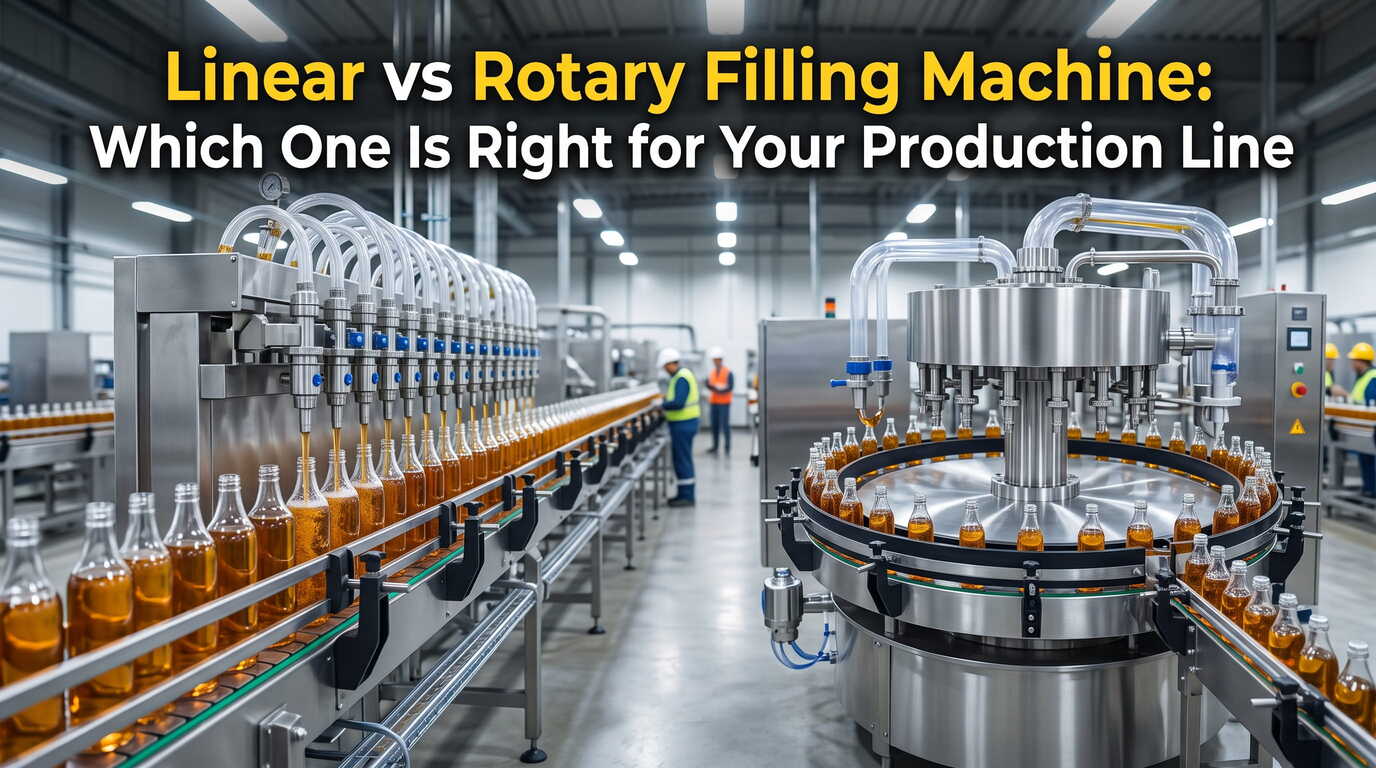
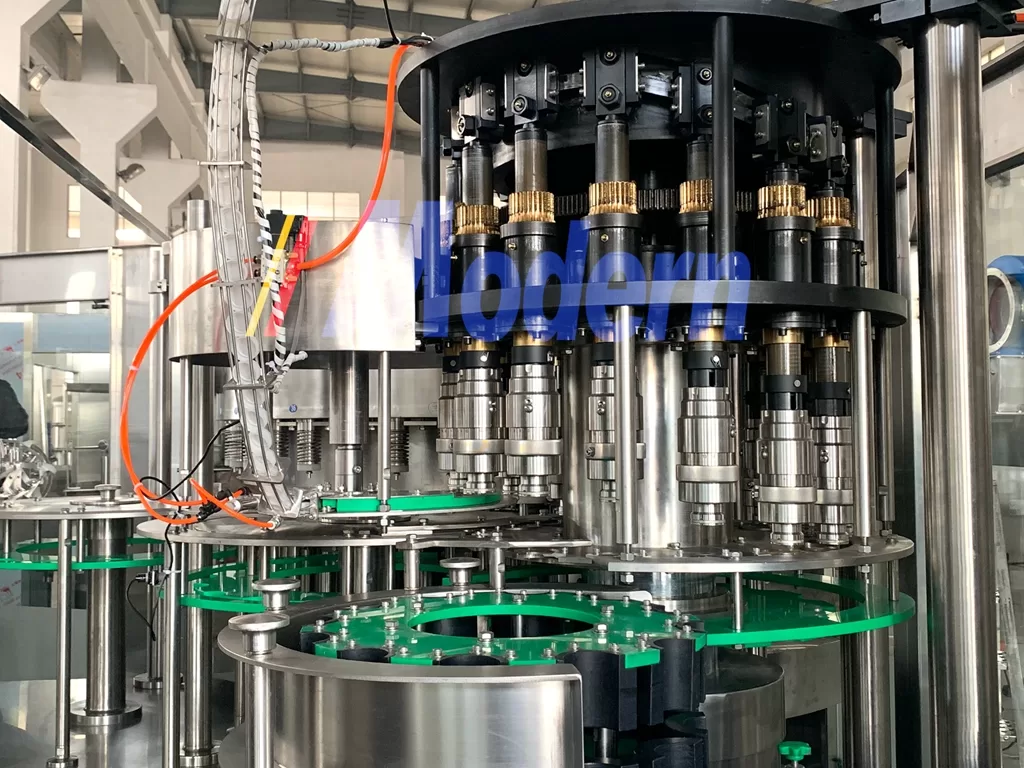
Filling machines are the heart of any bottle filling plant. Depending on the type of liquid being bottled—ranging from carbonated beverages to oils—the filling technology varies. Techniques can include:
- Gravity Filling: Utilizes gravity to fill bottles and is appropriate for low-viscosity liquids.
- Piston Filling: Involves using a piston to create a vacuum, suitable for thicker liquids.
- Pressure Filling: Utilizes pressure to push liquid into a bottle, commonly used for carbonated drinks.
Choosing the right filling technology significantly influences efficiency and product quality.
3. Capping and Labeling Systems
After filling, bottles require effective sealing through capping systems, which may be manual or automated. An efficient capping system prevents leaks and preserves product integrity. Additionally, labeling machines ensure accurate branding and product information, crucial for compliance and marketing.
4. Packaging and Distribution
Once bottles are filled and labeled, they undergo packaging for distribution. Packaging solutions vary depending on the logistics strategy, from shrink-wrapping to palletization. Efficient packaging not only protects products during transport but also plays a vital role in inventory management.
Importance of Hygiene and Safety Standards
In the context of food and beverage production, hygiene and safety standards cannot be overstated. Bottle filling plants must comply with regulatory requirements such as Good Manufacturing Practices (GMP) and Hazard Analysis Critical Control Points (HACCP). Maintaining strict hygiene protocols helps to prevent contamination, which can have severe health implications for consumers and detrimental effects on a brand’s reputation.
Implementing regular training for employees on hygiene practices, alongside scheduled maintenance of equipment, promotes a culture of safety within the plant. Regular audits and review processes can reinforce commitment to these practices and ensure compliance with evolving regulations.
Integrating Sustainability in Bottle Filling Plants
As the world becomes increasingly environmentally conscious, bottle filling plants are urged to adopt sustainable practices. This shift not only appeals to eco-conscious consumers but also helps reduce operational costs in the long run. Here are some effective strategies:
1. Reducing Water Usage
Water is a critical resource in the bottling process, particularly for rinsing bottles. Implementing water-efficient technologies and recycling systems can significantly minimize water waste.
2. Utilizing Eco-Friendly Packaging
Opting for biodegradable or recyclable packaging materials can enhance a company’s environmental profile. Additionally, lightweight packaging can reduce transportation emissions, contributing to lower carbon footprints.
3. Energy-Efficient Machinery
Investing in energy-efficient machines and technologies can drastically reduce electricity consumption. Practices such as regular maintenance improve energy efficiency, while exploring alternative energy sources like solar power may provide long-term savings.
Future Trends in Bottle Filling Plants
The landscape of bottle filling plants continues to evolve, influenced by emerging technologies and market demands. Companies looking to stay ahead must be aware of the following trends:
1. Smart Manufacturing
Integration of Internet of Things (IoT) technology enables real-time monitoring of production efficiencies and machine performance. Smart sensors can predict maintenance needs, thereby reducing downtime and optimizing productivity.
2. Customization
As consumer preferences shift toward personalized products, bottle filling plants need the flexibility to accommodate smaller, customized batches. Advanced filling technology will allow for quick changes between product lines without extensive downtime.
3. E-commerce Growth
With the rise of e-commerce, bottle filling plants must adapt their logistics and packaging to facilitate direct-to-consumer delivery. This may require new filling techniques and packaging solutions that align with consumer expectations for convenience and sustainability.
Best Practices for Efficient Operations
To streamline operations in a bottle filling plant and ensure overall effectiveness, consider the following practices:
- Regular Training: Encourage skill enhancement among employees to adapt to new technologies and maintenance practices.
- Process Automation: Invest in automation to minimize human error and enhance efficiency.
- Performance Metrics: Establish measurable metrics to assess productivity and quality, allowing for continuous improvement.
- Collaboration: Engage with suppliers and stakeholders for best practices and innovations in the field.
Conclusion
In a competitive landscape, bottle filling plants must constantly innovate and adapt to changing demands. By embracing technological advancements, maintaining stringent hygiene standards, integrating sustainable practices, and optimizing operations, these facilities can not only improve their profitability but also contribute positively to environmental goals. As consumers demand higher quality products in a responsible format, bottling plants that prioritize innovation and efficiency are well-positioned for a successful future.