In an era where consumer demand for soft drinks continues to soar, the importance of efficient filling machinery cannot be understated. Soft drinks filling machines play a vital role in ensuring efficiency, hygiene, and precision in the beverage production process. This article provides a comprehensive overview of soft drinks filling machines, their types, functionality, benefits, and valuable insights for businesses looking to invest in this technology.
Understanding Soft Drinks Filling Machines
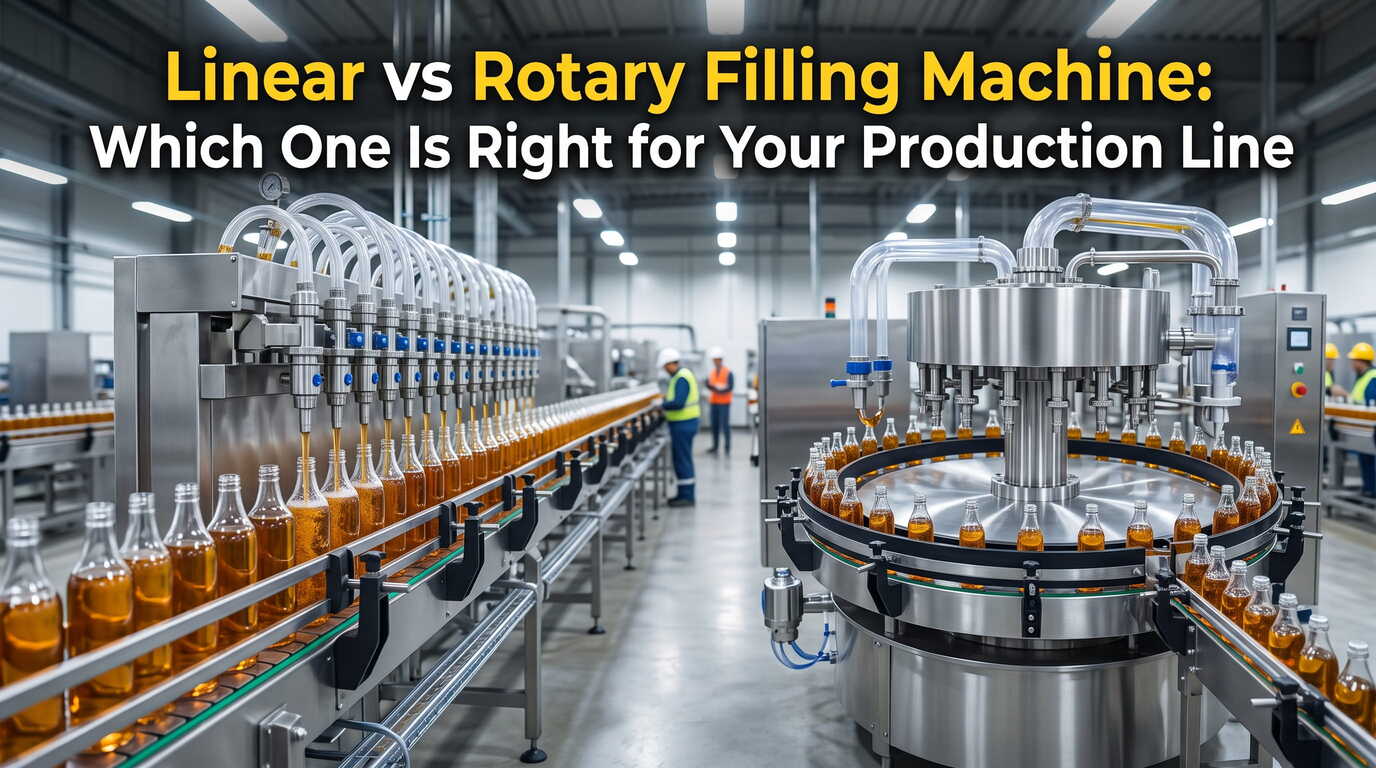
Soft drinks filling machines are specialized equipment designed to fill various types of non-alcoholic liquid beverages into containers such as bottles, cans, or cartons. These machines automate the filling process, thus enhancing production speed and consistency, while minimizing waste and maximizing hygiene.
The Types of Soft Drinks Filling Machines
Soft drinks filling machines can be categorized based on several criteria, including the type of beverage being filled, the type of container being used, and the filling technology employed.
1. Based on Beverage Type
Soft drinks filling machines vary depending on the kind of beverages they are intended for. Common categories include:
- Carbonated Soft Drinks Filling Machines: Designed specifically for carbonated beverages, these machines are engineered to handle the high-pressure environment created by carbon dioxide.
- Non-Carbonated Filling Machines: Suitable for juices, teas, and flavored waters, these machines focus on maintaining product integrity without the added pressure of carbonation.
- Multi-Functional Filling Machines: These versatile machines can handle both carbonated and non-carbonated liquids, making them ideal for companies offering a diverse product line.
2. Based on Container Type
The machinery can also be classified based on the type of containers:
- Bottle Filling Machines: Commonly used for various sizes and materials, from glass to PET bottles.
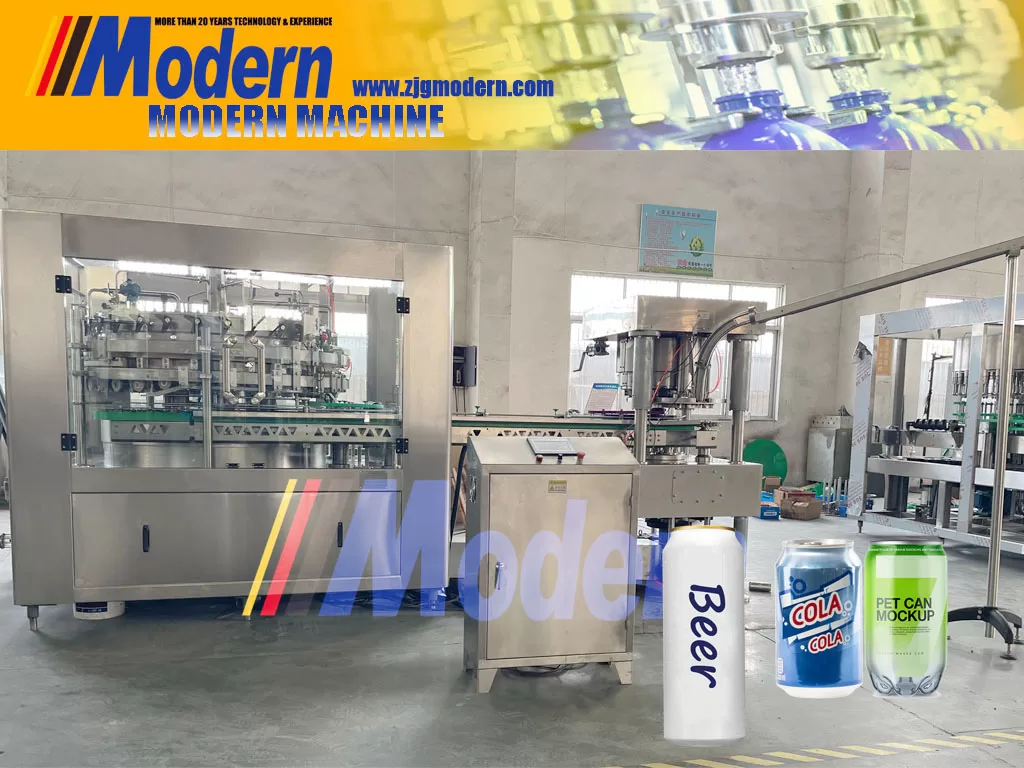
- Canning Machines: Tailored specifically for the canning process, ensuring a tight seal to maintain freshness.
- Bag-in-Box Systems: This type is used for dispensing beverages into flexible pouches, ideal for larger volume applications.
3. Based on Filling Technology
The technology used in filling machines can alter their efficiency and effectiveness:
- Gravity Filling Machines: Utilize gravity to fill containers, often used for thick liquids or non-carbonated beverages.
- Pressure Filling Machines: Aimed at carbonated beverages, where pressure fills the containers to prevent foaming.
- Pump Filling Machines: Suitable for precise measurements, utilizing pumps to transfer the beverage from a storage tank to the container.
Key Features of Soft Drinks Filling Machines
When evaluating soft drinks filling machines, several crucial features should be considered to ensure optimal performance and longevity:
1. Automation and Control Systems
Advanced soft drinks filling machines often come equipped with state-of-the-art automation and control systems. These allow for various parameters to be adjusted digitally, ensuring consistent filling levels and minimizing human error. Features such as touchscreens and programmable logic controllers provide efficient operation and adaptability to changes in production demands.
2. Hygiene and Sanitation
Hygiene is paramount in beverage production. Filling machines must be designed with sanitary materials and finishes to minimize the risk of contamination. Many modern machines feature easy-to-clean designs and automatic sanitization processes that contribute to food safety compliance.
3. Versatility
The ability to handle various sizes and types of containers is a critical feature that enhances the machine’s adaptability. Companies producing a range of beverage products will benefit from a filling machine that can easily be calibrated for different container formats without extensive downtime.
4. Speed and Efficiency
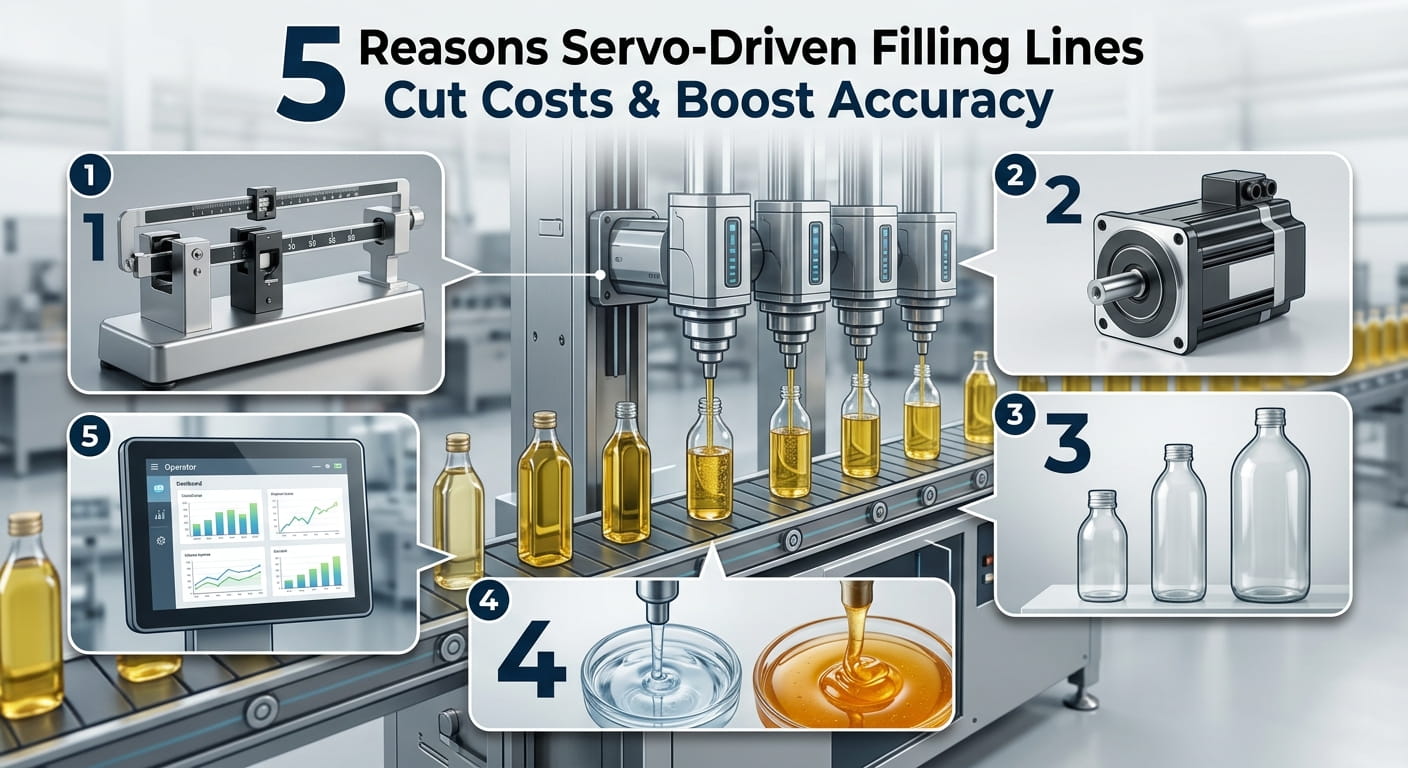
Production speed is directly correlated with profitability. High-speed filling machines can greatly enhance production lines, allowing for quicker turnaround times and increased output. An efficient machine will also reduce product waste caused by spillage or overfilling.
Benefits of Investing in Soft Drinks Filling Machines
Investing in modern soft drinks filling machines offers several advantages that can significantly enhance a company’s operational efficiency and product quality:
1. Cost Efficiency
While the initial investment may seem substantial, the long-term cost savings produced by high-speed, automated filling systems quickly outweigh the upfront costs. Increased production rates lead to higher volumes of product in the market while reducing labor costs due to automation.
2. Increased Product Quality and Consistency
Automated filling machines provide a level of precision unachievable by manual methods. This consistency in filling ensures that customers receive the desired product experience every time, which is crucial in maintaining brand loyalty.
3. Enhanced Safety Standards
Modern filling machines are designed with operator safety in mind. Features such as safety guards, emergency stop buttons, and easy access to controls help minimize risks associated with machinery operation, safeguarding both personnel and product integrity.
4. Environmental Impact
Today’s eco-conscious consumers prioritize sustainability. Investing in machines that reduce waste, use recyclable packaging, and require less energy aligns with favorable public sentiment and contributes to a company’s overall environmental responsibility.
Best Practices for Maintaining Soft Drinks Filling Machines
To ensure longevity and optimal performance, regular maintenance of soft drinks filling machines is essential. Here are some practical best practices:
1. Regular Cleaning and Sanitization
The filling machine should be cleaned regularly to prevent contamination. Implement a scheduled cleaning protocol that outlines daily, weekly, and monthly maintenance routines.
2. Routine Inspection and Calibration
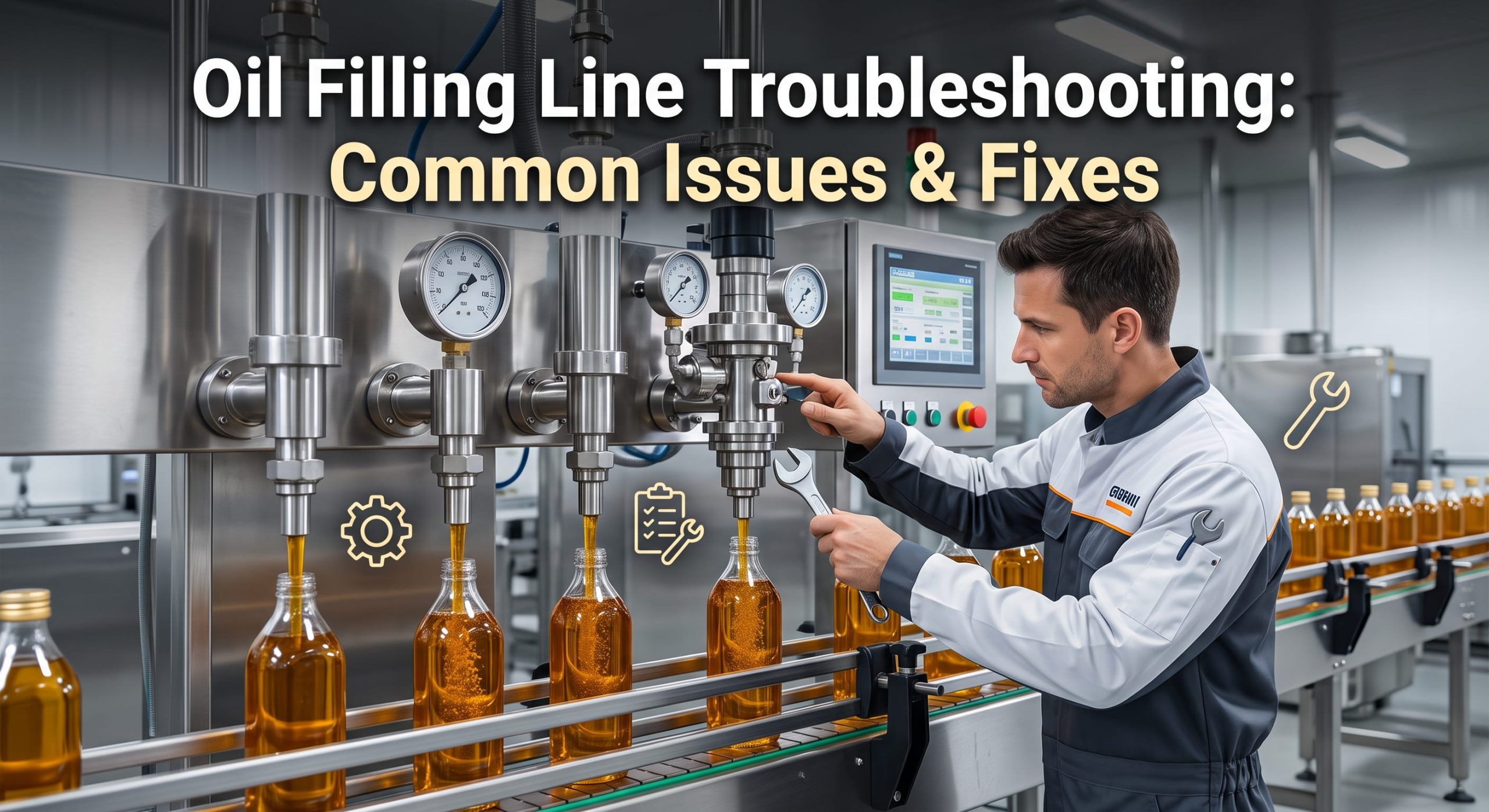
Periodic inspection of components such as valves, pumps, and seals is necessary to identify wear and tear. Regular calibration ensures the machine operates efficiently and maintains filling accuracy.
3. Training for Operators
Beyond equipment maintenance, ensuring that operators are trained in the machine’s functionalities not only improves safety but also enhances operational efficiency. Regular training sessions should be held to keep staff updated on operational best practices.
Conclusion
Soft drinks filling machines are integral to modern beverage production. Their advanced technology, efficiency, and enhancements in hygiene standards make them indispensable tools in meeting growing consumer demands. Businesses looking to invest in these machines should consider various factors such as type, functionalities, and maintenance to fully optimize their production lines. With the right filling machine in place, companies can not only elevate their production capabilities but also ensure quality and consistency that resonate well with consumers.