
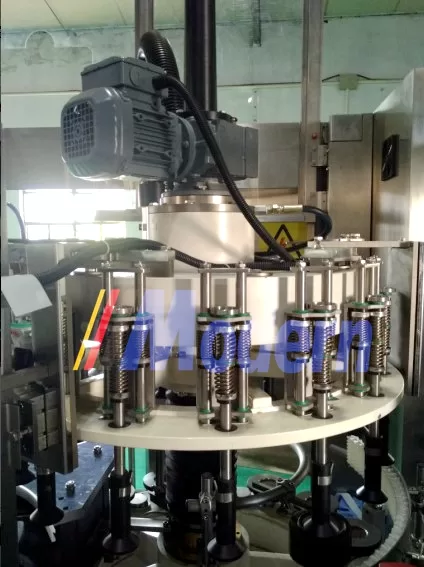
The demand for fast and efficient production in the beverage industry is escalating, pushing manufacturers to adopt high-speed bottling production techniques. As global markets become more competitive, the ability to produce bottled goods at an accelerated pace while maintaining quality is crucial. This article explores the intricacies of high-speed bottling production, examining the technologies, processes, and considerations that define this dynamic sector.
The Importance of High-Speed Bottling Production
High-speed bottling production is vital for numerous reasons, primarily driven by consumer demand and market dynamics. With the rise of e-commerce and rapid delivery services, consumers expect quick access to bottled beverages. Consequently, companies must streamline their production processes to meet these expectations. Additionally, high-speed bottling helps reduce production costs by maximizing output with minimal resource expenditure.
Economic Benefits
Implementing high-speed bottling lines can lead to significant cost savings. Increased efficiency reduces labor costs, as fewer personnel may be required to oversee the enhanced machinery. Moreover, faster production cycles mean lower operating costs, enabling businesses to allocate resources more effectively. Companies aiming to maintain a competitive edge must assess their bottling operations and consider high-speed technologies as an integral part of their growth strategy.
Technology and Innovations in High-Speed Bottling
Advanced technologies play a pivotal role in high-speed bottling production. Manufacturers are increasingly integrating automation, robotics, and smart technologies into their processes. These innovations enhance the speed, efficiency, and accuracy of bottling operations. Below are some critical technological advancements shaping the future of bottling production.
1. Automated Bottling Systems
Automated bottling systems significantly increase production speed and ensure consistency throughout the manufacturing process. These systems are designed to handle various tasks, including washing, filling, capping, and labeling, allowing for a streamlined workflow. By minimizing manual labor, automated systems help reduce the likelihood of errors and maintain product quality.
2. High-Speed Filling Machines
Modern high-speed filling machines are capable of filling thousands of bottles per hour. These machines utilize advanced mechanisms such as volumetric, gravimetric, and pressure-filling systems. Depending on the product type, manufacturers can select the most suitable filling technology to ensure optimal performance and efficiency.
3. Smart Technology Integration
With the advent of Industry 4.0, smart technology integration has become indispensable in high-speed bottling production. IoT (Internet of Things) devices enable real-time monitoring of production processes, allowing operators to identify bottlenecks quickly. Additionally, data analytics can predict machinery maintenance needs, reducing downtime and ensuring continuous operations.
Operational Considerations for High-Speed Bottling
While the implementation of high-speed bottling systems brings numerous advantages, several operational considerations warrant attention. To ensure success, manufacturers should address the following factors:
1. Quality Control
As production speeds increase, maintaining quality becomes paramount. Implementing robust quality control measures at every stage of production is crucial. Manufacturers should utilize inline inspection systems and automated testing technologies to identify defects or inconsistencies in bottling operations. Ensuring that quality checks are integrated into the production line can help prevent mislabeling or packaging errors that could harm brand reputation.
2. Staff Training and Safety
Efficient and safe operations require well-trained personnel. As technology advances, it is essential to invest in ongoing training programs for staff. Operators must be familiar with the latest machinery and processes to maximize efficiency while ensuring safety standards are met. Companies should prioritize creating a culture of safety to prevent workplace accidents, particularly when dealing with high-speed machinery.
3. Maintenance and Downtime Management
A high-speed bottling line’s reliability hinges on effective maintenance protocols. Implementing a preventative maintenance strategy can mitigate downtime associated with equipment failure. Regular inspections, cleaning, and servicing should be scheduled to maintain optimal performance. Moreover, investing in predictive maintenance technologies can further reduce unplanned downtime by identifying potential issues before they escalate.
Sustainability in High-Speed Bottling Production
With increasing awareness of environmental issues, manufacturers must also consider sustainability in high-speed bottling production. Implementing eco-friendly practices not only supports corporate responsibility but can also appeal to environmentally conscious consumers, enhancing brand loyalty.
1. Efficient Resource Use
Optimizing resource use is essential in sustainable bottling production. Companies should evaluate their water and energy consumption to identify areas for improvement. By adopting energy-efficient machinery and implementing water recycling systems, businesses can reduce their environmental footprint and operational costs.
2. Sustainable Packaging Solutions
Sustainable packaging is gaining traction as consumers increasingly favor eco-friendly products. Manufacturers should explore biodegradable or recyclable bottle materials to meet consumer demands and regulatory requirements. Investing in innovative packaging solutions not only enhances brand positioning but also contributes to a circular economy.
3. Waste Reduction Practices
Reducing waste within the bottling process is vital for sustainability. Companies should conduct regular audits of their production processes to identify waste generation areas. Strategies may include repurposing byproducts, recycling materials, or implementing lean manufacturing principles to minimize excess.
Conclusion
As the beverage industry faces evolving consumer demands and competitive pressures, high-speed bottling production emerges as a critical component of operational success. By leveraging advanced technologies, maintaining rigorous quality control measures, investing in staff training, and adopting sustainability practices, manufacturers can maximize efficiency while securing their place in a rapidly changing market.
In summary, the future of high-speed bottling production is bright, driven by innovation and a commitment to continuous improvement. Companies that embrace these changes will not only enhance their production capabilities but also foster long-term growth and sustainability in an increasingly demanding global landscape.


