
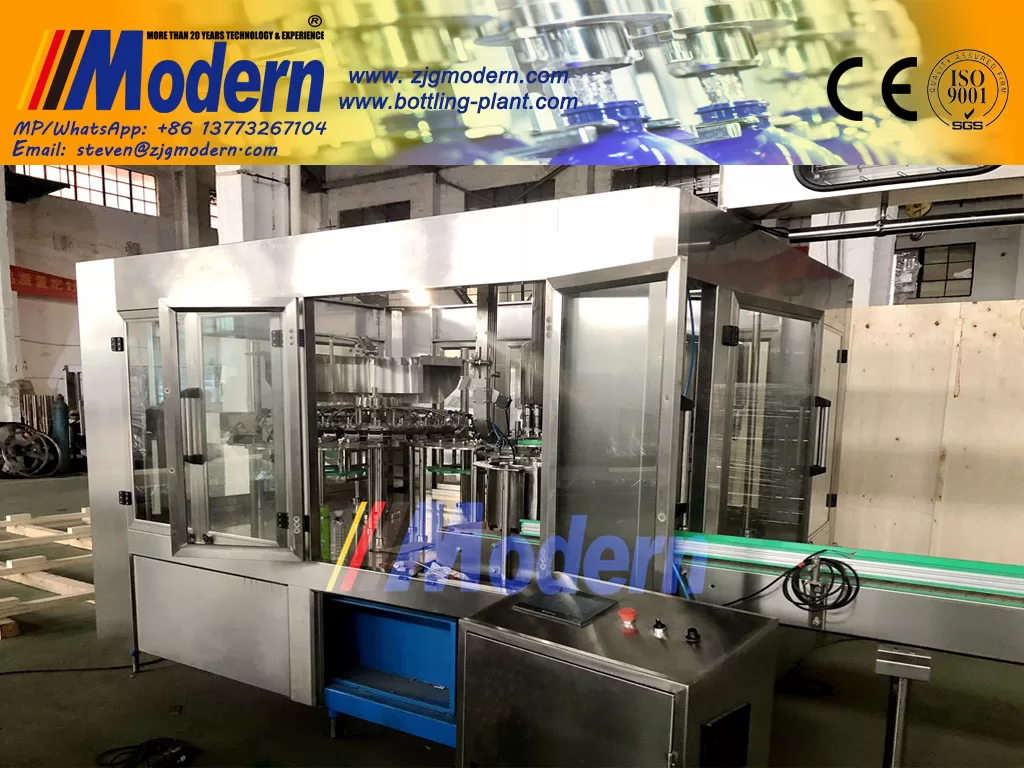
In today’s fast-paced world, the demand for purified water continues to skyrocket. With the increasing awareness of health and wellness, businesses are keen on acquiring pure water filling machines to meet consumer needs. However, understanding the price of these machines can be complex, as it varies based on multiple factors. This article aims to provide an in-depth analysis of pure water filling machine prices, exploring the aspects that influence costs and offering practical advice to potential buyers.
Understanding Pure Water Filling Machines
A pure water filling machine is designed to automate the process of filling containers with purified water. These machines can vary widely in size, capacity, and technology. They play a vital role in ensuring the quality and safety of the product being filled, making them an essential investment for bottling plants, beverage manufacturers, and water distribution companies.
Factors Influencing the Price of Pure Water Filling Machines
Several key factors influence the pricing of pure water filling machines, each contributing to the final cost. Understanding these components can help potential buyers make informed decisions.
Type of Machine
The type of filling machine is one of the most significant factors affecting price. There are several types, including:
- Gravity Fillers
- Piston Fillers
- Vacuum Fillers
- Pressure Fillers
Gravity fillers are generally the most affordable but may not be suitable for all liquid viscosities. On the other hand, piston fillers often provide higher accuracy and are priced accordingly. The specific needs of the business can help determine which type of machine will provide the best value.
Production Capacity
The production capacity of a filling machine—measured in bottles per hour—significantly impacts its price. Machines with higher capacities typically cost more due to their more advanced technology and robust construction. Businesses that anticipate higher production demands should factor this cost into their budget when selecting a machine.
Material Quality and Durability
The materials used in construction significantly affect the price. Higher-quality materials ensure durability, reducing long-term maintenance costs. Stainless steel is a common material due to its resistance to corrosion and ease of cleaning; however, it also comes at a higher price point compared to plastic or lower-grade metals.
Technological Features
Modern filling machines often come equipped with advanced technological features such as automated controls, touch screen interfaces, and sensors for bottle detection. These features enhance operational efficiency and can lead to significant labor cost savings over time. Nonetheless, machines with more advanced technology will also incur higher initial costs.
Supplier Reputation
The reputation of the supplier or manufacturer can significantly influence the price. Established companies with a track record of reliability and service may charge a premium compared to lesser-known brands. Therefore, it is essential to weigh the upfront costs against the potential for reliable service and support.
Average Price Range
The price of pure water filling machines can range widely, typically falling between $5,000 and $100,000 or more, depending on the factors mentioned above. For instance:
- Basic models designed for small-scale operations may start at around $5,000 to $15,000.
- Mid-range options suitable for medium-sized facilities may cost between $15,000 and $50,000.
- High-capacity, fully automated systems aimed at large production lines may surpass $100,000.
In addition to the cost of the machine itself, buyers should consider associated costs such as installation, training, and ongoing maintenance expenses.
Practical Advice for Buyers
Making a decision to purchase a pure water filling machine is a significant investment. Here are some actionable steps to guide potential buyers:
Conduct Market Research
Before making a purchase, conduct thorough market research to identify suppliers and their offerings. Compare different models to assess features, prices, and customer feedback. This will help ensure that the machine chosen is the best fit for the business’s needs.
Assess Production Requirements
It is crucial to evaluate the production needs accurately before selecting a machine. This includes understanding current demand and forecasting future needs. Selecting a machine that can accommodate growth without requiring immediate replacement is a wise investment.
Calculate Total Cost of Ownership
While initial costs are essential, understanding the total cost of ownership is equally critical. Consider factors such as energy consumption, maintenance costs, and potential downtime. A cheaper machine may end up being more expensive in the long run if it requires frequent repairs or lacks energy efficiency.
Focus on After-Sales Support
Before finalizing a purchase, confirm the level of after-sales support and warranty offered by the supplier. Good customer service can prevent future headaches and ensure smooth operation. Look for suppliers who provide comprehensive training and technical support.
Consider Used or Refurbished Machines
For businesses with tighter budgets, considering used or refurbished machines can be a viable option. These machines often come at a lower price point while still offering reliable performance. However, it’s essential to ensure they have been thoroughly inspected and are backed by a warranty.
Why Quality Matters
Investing in a quality pure water filling machine is critical for several reasons.
Product Quality
Using high-quality machines helps maintain the integrity of the product. Consistent filling accuracy prevents spillage and waste, ultimately improving profit margins.
Regulatory Compliance
In many regions, filling machines must meet specific health and safety regulations. Ensuring that the machine is built to industry standards can prevent legal issues and facilitate smooth operations.
Long-Term Savings
Opting for a quality machine can provide long-term savings by reducing the frequency of repairs and operational inefficiencies. Investing upfront can lead to lower costs over time.
Conclusion
Understanding the pricing of pure water filling machines involves analyzing many factors, including the type of machine, production capacity, material quality, and supplier reputation. While prices can vary greatly, doing thorough research and planning will help businesses select the most appropriate machine to address their needs. Ultimately, investing in a reliable and efficient pure water filling machine can greatly enhance operational capabilities and ensure consistent product quality, making it a wise choice for any business in the industry.


