
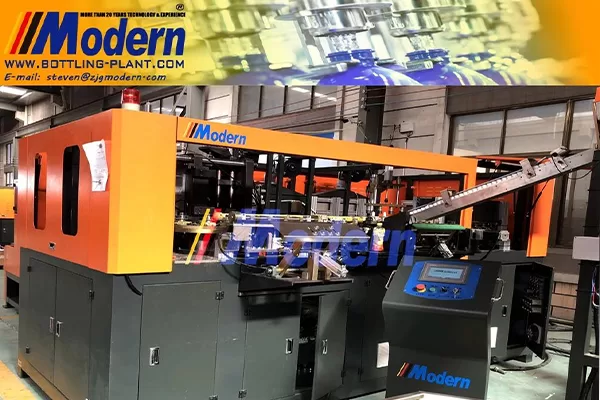
In the rapidly evolving landscape of manufacturing and production, establishing a mini bottling plant has emerged as a promising venture for entrepreneurs. This article delves into the essential components, benefits, and strategic considerations necessary for setting up a mini bottling plant. By the end, readers will gain actionable insights that will equip them to succeed in this niche market.
What is a Mini Bottling Plant?
A mini bottling plant is a compact facility designed for bottling beverages such as water, juices, soft drinks, or alcoholic beverages. Unlike traditional bottling plants, which tend to be large and require significant investments, mini bottling plants are accessible to small and medium enterprises (SMEs) seeking to enter the beverage industry with reduced capital expenditure.
Key Components of a Mini Bottling Plant
1. Equipment and Machinery
The backbone of any bottling plant is its equipment. A typical mini bottling plant comprises:
- Washing Machines: To ensure that bottles are free from contaminants before filling.
- Filling Machines: To dispense the liquid into bottles at the correct volume and speed.
- Capping Machines: To securely seal the bottles post-filling, ensuring product safety.
- Labeling Machines: For branding and compliance with regulatory requirements through proper labeling.
- Packaging Machines: To prepare the bottled products for storage and distribution.
2. Source of Water or Ingredients
Reliability and quality of the source of water (for bottled water or soft drinks) or raw ingredients (for juices or flavored drinks) are crucial. Conducting thorough supplier assessments and quality testing can prevent long-term issues related to product integrity.
3. Quality Control Systems
Implementing robust quality control measures ensures that the beverages meet health and safety regulations. Regular testing for contaminants, adherence to standards like ISO, and obtaining necessary certifications are vital for consumer trust and regulatory compliance.
4. Facility Layout
The layout of the plant must optimize workflow while accommodating equipment, storage, and operational areas. A well-planned facility enhances productivity, minimizes waste, and ensures employee safety.
Benefits of a Mini Bottling Plant
1. Lower Capital Investment
Starting a mini bottling plant requires a smaller financial outlay compared to larger facilities. This accessibility enables entrepreneurs with limited resources to break into the market effectively.
2. Flexibility and Scalability
Mini bottling plants can adapt to changing business needs. Whether adjusting production volumes or diversifying product offerings, these plants enable owners to pivot quickly in response to market shifts.
3. Reduced Operational Costs
By minimizing staff requirements and utilizing efficient machinery, mini bottling plants substantially lower operational costs compared to larger counterparts. The reduction in overheads enhances profitability and sustainability.
4. Market Niche Identification
Microbreweries and craft beverage makers have made the pursuit of niche markets increasingly popular. Mini bottling plants are ideally positioned to cater to localized markets, artisanal producers, or specialized dietary needs (e.g., organic beverages).
Strategic Considerations for Success
1. Market Research and Feasibility Study
Conduct thorough market research to identify demand, competition, and target audience. A feasibility study should provide insights into potential profitability and operational viability, minimizing the risk of business failure.
2. Compliance with Regulatory Standards
Understanding and adhering to regulations governing the food and beverage industry is paramount. This includes local health and safety codes, labeling requirements, and environmental regulations. A failure to comply can result in severe penalties and damage to reputation.
3. Establishing a Strong Brand Identity
Brand identity is crucial in the beverage market, where competition is fierce. Develop a unique selling proposition (USP), create engaging marketing strategies, and ensure consistent branding across all platforms to cultivate a loyal customer base.
4. Investment in Technology
Leveraging technology enhances operational efficiency. Automated systems can streamline production processes, track inventory, and improve quality control. Staying abreast of technological advancements can offer a competitive edge.
5. Sustainable Practices
Consumers increasingly favor environmentally responsible businesses. Implementing sustainable practices, such as utilizing recyclable materials, minimizing waste, and optimizing energy consumption, can enhance brand reputation and attract eco-conscious customers.
Operational Management of a Mini Bottling Plant
1. Workforce Management
Hiring skilled personnel is imperative for smooth operations. Invest in training programs that focus on machinery handling, safety procedures, and quality control to ensure staff are equipped with the necessary skills.
2. Effective Supply Chain Management
Maintain a reliable supply chain to ensure consistent production. Establish strong relationships with suppliers, monitor stock levels, and utilize inventory management systems to prevent production delays.
3. Marketing and Distribution Strategies
Effective marketing strategies must accompany the launch of your product. A mix of online advertising, social media engagement, and local promotions can generate buzz. Moreover, aligning with distribution channels that target your consumer base is crucial for reaching potential customers efficiently.
Challenges in Setting Up a Mini Bottling Plant
1. Capital Constraints
While lower than traditional plants, capital investment remains a challenge. Entrepreneurs must plan their finances meticulously, exploring options like loans, grants, or investments from venture capitalists.
2. Competition
The beverage market is saturated with players ranging from multinational corporations to small producers. Differentiating your products and building brand loyalty is vital to standing out in a crowded marketplace.
3. Health and Safety Compliance
Maintaining strict compliance with health regulations requires continuous effort, along with regular audits and potential operational adjustments to meet evolving standards.
Conclusion
Establishing a mini bottling plant can be a lucrative venture for aspiring entrepreneurs willing to navigate the complexities of the beverage industry. By understanding the components, benefits, and strategic considerations involved, you can lay the groundwork for a successful endeavor. Ultimately, dedication to quality, innovation, and customer satisfaction will be the guiding principles that propel your mini bottling plant to new heights.
As you embark on this journey, remain adaptable, conduct thorough research, and embrace the dynamics of the marketplace to seize opportunities that arise. The beverage industry is not only a business enterprise; it’s an avenue for creativity and passion that can yield both substantial profits and personal satisfaction.


