
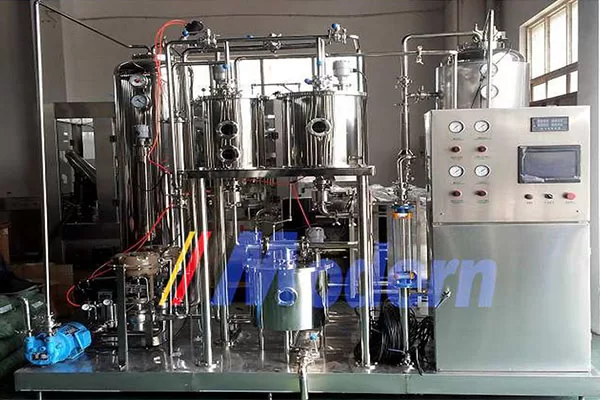
The beverage industry has witnessed unprecedented growth over the past few decades, particularly in the carbonated soft drink segment. Soda bottling equipment is central to this expansion, enabling producers to meet the rising demand for effervescent refreshments. In this article, we will dissect the array of soda bottling equipment, delve into the technological advancements shaping this industry, and provide actionable insights for businesses looking to optimize their bottling processes.
Understanding Soda Bottling Equipment
Soda bottling involves several key processes including washing, filling, capping, labeling, and packaging. Each stage requires specialized equipment that ensures quality, efficiency, and safety. Here’s a breakdown of essential components:
1. Bottle Washers
Before filling, bottles must be thoroughly cleaned to prevent contamination. Bottle washers are designed to remove any residues or impurities from used containers. These machines utilize high-pressure water jets and chemical solutions to sanitize bottles quickly. For manufacturers, investing in efficient bottle washers can drastically reduce turnaround time and ensure product quality.
2. Filling Machines
The filling stage is critical as it directly affects the carbonation level and taste of the beverage. Various types of filling machines exist, including gravity fillers, vacuum fillers, and pressure fillers. Gravity fillers use the force of gravity to fill bottles, suitable for still beverages, while pressure fillers utilize carbon dioxide pressure, making them ideal for carbonated drinks. Selecting the right filler can optimize production rates and minimize waste.
3. Capping Equipment
Capping machines secure lids tightly onto bottles to prevent leakage and maintain carbonation. Options include screw cappers, snap cappers, and corking machines. Investing in high-quality capping equipment is crucial to ensure that caps are applied consistently, which is key to maintaining product integrity through distribution.
4. Labeling Machines
Labeling creates brand identity and provides essential information to consumers. Automated labeling machines help streamline this process, applying labels with precision and speed. They can accommodate a variety of label styles, including shrink sleeves and pressure-sensitive labels, allowing for customization in branding.
5. Packaging Machines
Finally, packaging equipment wraps and cartons the finished product for distribution. This can include shrink wrappers, case packers, and palletizers. Integrated packaging solutions can significantly enhance the efficiency of the production line, ultimately affecting delivery times
Advancements in Soda Bottling Technology
The soda bottling industry has embraced technological advancements that enhance efficiency and sustainability. Below are some notable innovations:
1. IoT and Smart Technologies
The advent of the Internet of Things (IoT) has revolutionized bottling lines. Manufacturers can now install IoT sensors to monitor machine performance in real-time, track production output, and identify maintenance needs before equipment failure occurs. Such predictive maintenance strategies help reduce downtime and improve overall production efficiency.
2. Automation and Robotics
Automation is rapidly becoming standard in many production environments. The integration of robotic arms for tasks such as sorting, packing, and palletizing not only increases speed but also reduces the risk of human error. Additionally, automated systems often lead to significant labor cost savings over time.
3. Energy-Efficient Equipment
As climate concerns grow, the focus on sustainability within the bottling industry intensifies. Modern bottling machinery is increasingly being designed with energy efficiency in mind, helping businesses to lower their carbon footprint and operational costs. By choosing energy-efficient systems, manufacturers can enjoy both economic and environmental benefits.
Choosing the Right Soda Bottling Equipment
When selecting soda bottling equipment, several factors should be taken into consideration:
1. Production Volume
Your production volume will dictate the type and quantity of equipment needed. High-capacity bottling lines require robust machinery, while smaller operations may opt for more versatile, semi-automatic systems.
2. Beverage Type
Different beverages necessitate specialized equipment. Carbonated drinks, juice, and flavored water might each require distinct bottling processes and machinery. Understanding the specific demands of your beverage can guide your equipment choices.
3. Budget Constraints
Investment in bottling equipment can be substantial, so it is essential to establish a budget. Consider not only the initial purchase cost but also maintenance, operation, and potential upgrades to make an informed decision that aligns with your financial strategy.
4. Space and Layout
The available floor space in your facility will also impact your equipment choices. A well-organized layout not only optimizes production flow but also ensures compliance with safety regulations. It is advisable to conduct a thorough evaluation of your workspace and create a layout plan before purchasing equipment.
Operational Best Practices
To maximize the effectiveness of your soda bottling equipment, adhere to the following operational best practices:
1. Regular Maintenance
Implement a routine maintenance schedule to ensure that equipment operates efficiently. Regular checks for wear and tear, calibration, and cleaning can prolong equipment life and maintain production standards.
2. Operator Training
Ensure all operators are well-trained in the use of soda bottling machinery. Knowledgeable staff can identify potential issues early, handle equipment properly, and ultimately contribute to smoother operations.
3. Quality Control
Establish quality control measures at each stage of the bottling process. Regular testing of finished products can help to uphold quality standards and maintain customer satisfaction.
4. Embrace Continuous Improvement
Regularly assess and optimize bottling processes. Utilizing feedback from production staff, exploring new technologies, and reviewing industry standards can lead to enhanced operational efficiency.
Conclusion
Investing in soda bottling equipment is essential for beverage producers who aim to remain competitive in an ever-evolving market. By understanding the various types of equipment available, leveraging technological advancements, and implementing best practices, an organization can maximize productivity and deliver outstanding quality beverages. Through careful planning and execution, businesses can navigate the complexities of soda bottling and secure lasting success in the industry.


