
The global beverage industry has undergone significant transformations in recent years, with the demand for fresh and natural fruit juices soaring. In this dynamic environment, efficiently managing juices bottling lines is critically pivotal for manufacturers aiming to remain competitive. This article delves into the intricacies of juices bottling lines, providing practical and actionable insights that businesses can leverage to enhance productivity, sustainability, and quality.
Understanding the Juices Bottling Line
The bottling line for juices is a complex system comprising several stages, from the initial extraction of juice to the final packaging for distribution. Understanding the components of this system is vital for optimizing operations and ensuring high-quality output.
Key Components of a Juices Bottling Line
1. **Juice Extraction:** This is the initial step where fruits are washed, sorted, and juiced. Modern juice extractors utilize various technologies, such as cold pressing, which helps preserve the nutrients and enhance the flavor profile of the juice.
2. **Filtration and Pasteurization:** After extraction, the juice undergoes filtration to remove pulp, seeds, and debris, resulting in a smoother product. Pasteurization is often implemented to eliminate harmful microorganisms, ensuring safety and extending shelf life without compromising taste.
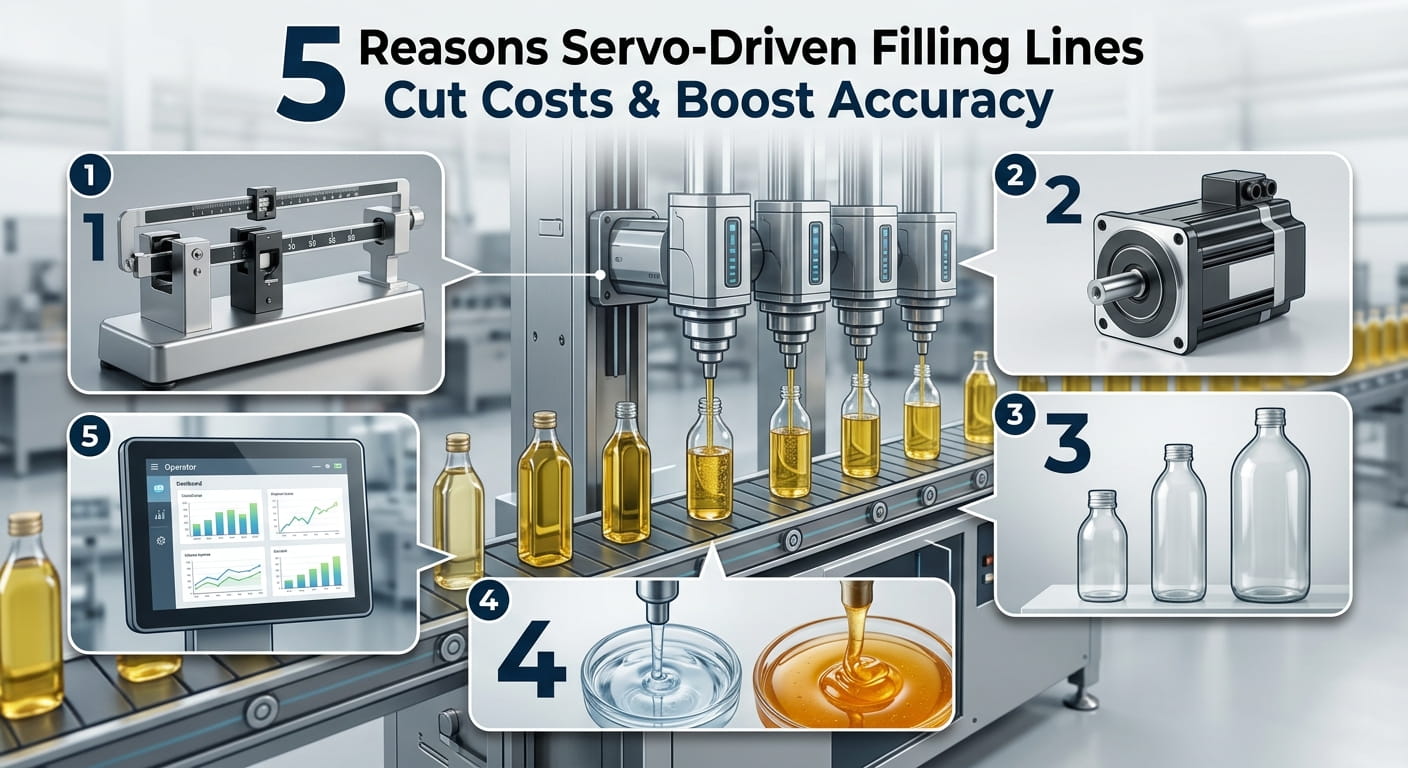
3. **Filling and Capping:** The filling process involves transferring the juice into bottles. Automated filling machines can significantly enhance efficiency, allowing for precise control over volume and minimizing spills. After filling, capping ensures that the product remains airtight and protected from contaminants.
4. **Labeling and Packaging:** This final stage includes labeling, which provides vital information to consumers, followed by packaging for distribution. Effective labeling also serves as a marketing tool, helping to attract customers in a competitive market.
Enhancing Efficiency in Bottling Lines
Efficiency should be a primary concern for manufacturers operating juices bottling lines. Approaches to enhance operational efficiency encompass several strategies:
1. Implementing Automation
The integration of automated systems across various stages of the bottling line is one of the most effective ways to boost productivity. Automated filling and capping machines, for instance, reduce human error and increase processing speed. Furthermore, advanced automation software can streamline production scheduling, track inventory levels, and manage labor allocations effectively.
2. Conducting Regular Maintenance
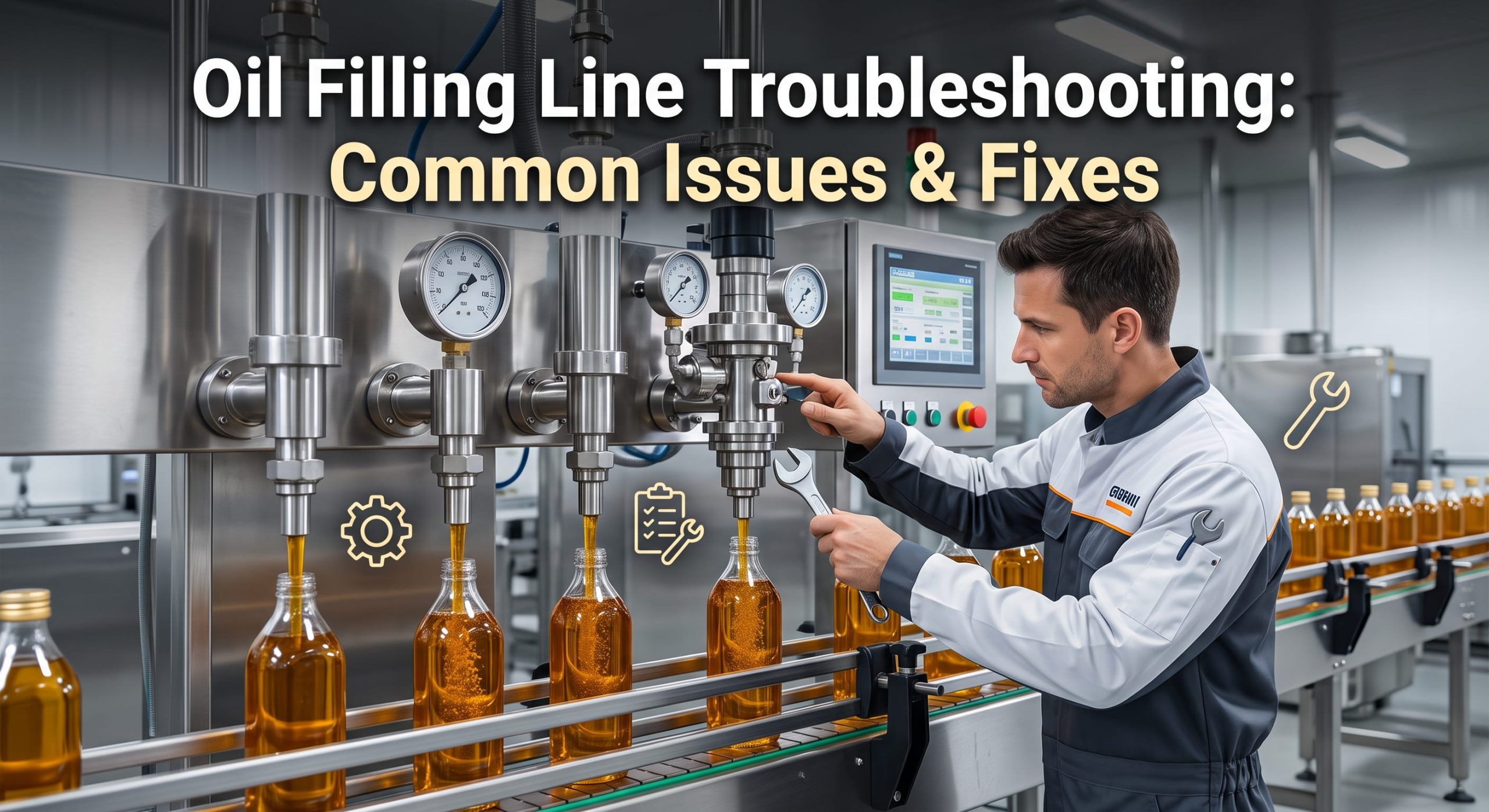
Investing in regular maintenance for bottling machinery significantly decreases downtime and prevents unexpected failures. Establishing a proactive maintenance schedule allows manufacturers to identify potential issues early and ensures that all equipment operates at peak performance. Implementing condition monitoring technologies can also help in predicting failures before they occur.
3. Adopting Lean Manufacturing Principles
Utilizing lean manufacturing principles can help reduce waste and streamline processes. This method focuses on maximizing value for the end customer while minimizing waste across all stages of production. Techniques such as Value Stream Mapping (VSM) can be employed to visualize workflows, identify bottlenecks, and enhance overall performance on the bottling line.
Quality Control in Bottling Lines
Maintaining high quality throughout the bottling process is crucial for customer satisfaction and brand reputation. Effective quality control measures include:
1. Standard Operating Procedures (SOPs)
Establishing clear SOPs for every aspect of the bottling process ensures consistency and quality. From juice extraction to filling and labeling, documenting procedures serves as a guide for employees and minimizes the likelihood of errors. Regular training and refresher courses also contribute to maintaining standards.
2. Real-Time Quality Monitoring
Implementing real-time monitoring systems can drastically improve quality control. Sensors and cameras can detect deviations in parameters such as fill levels, cap integrity, and label alignment, allowing for immediate corrective actions. Data collected can also provide insights into trends and help refine processes over time.
3. Sensory and Laboratory Testing
Conducting regular sensory evaluations, alongside laboratory testing, offers deep insights into product quality. Assessing taste, aroma, and visual characteristics is fundamental to ensuring that the final product meets the expectations of a discerning consumer base.
Sustainability in Bottling Lines
As awareness of environmental issues grows, incorporating sustainable practices into the bottling process has become essential. Manufacturers should consider implementing the following strategies:
1. Eco-Friendly Packaging
Transitioning to sustainable packaging materials can reduce the environmental impact of distribution. Options such as biodegradable or recyclable plastics, glass bottles, or even innovative alternatives made from plant materials can resonate well with environmentally conscious consumers.
2. Water and Energy Efficiency
Employing technologies that reduce water and energy consumption can lead to significant resource savings and lower operational costs. For instance, modern pasteurization techniques, such as flash pasteurization, require significantly less energy compared to traditional methods.
3. Waste Management Programs
Implementing effective waste management programs helps companies minimize the waste generated during juice production and bottling. This could include composting organic waste, recycling plant materials, and striving for zero waste in the production process.
Future Trends in Juices Bottling Lines
The juices bottling industry is rapidly evolving, and keeping abreast of emerging trends can help manufacturers stay competitive. Significant future trends include:
1. Personalization and Customization
Consumers are increasingly seeking personalized beverage options. Bottling lines that can accommodate small batch sizes or customization options will likely thrive in this new market. Implementing flexible systems that permit quick adjustments to production runs can meet evolving consumer demands.
2. Digital Transformation
The rise of Industry 4.0 is prompting manufacturers to embrace digitalization across their operations. Utilizing IoT devices, artificial intelligence, and big data analytics will lead to smarter decision-making, predictive maintenance, and more efficient operations.
3. Health and Wellness Trends
With growing consumer awareness around health, incorporating functional ingredients, such as probiotics or vitamins, into juices is becoming increasingly popular. Bottling lines must be prepared to handle these additional requirements and adapt formulations accordingly.
Conclusion
In the highly competitive juices market, optimizing bottling lines can serve as a differentiator for manufacturers. By investing in automation, implementing robust quality control measures, committing to sustainability, and adapting to future trends, producers can not only streamline their operations but also enhance their brand reputation and customer satisfaction. As the market continues to evolve, those who remain agile and responsive to changes will inevitably lead the way in the juice bottling industry.