
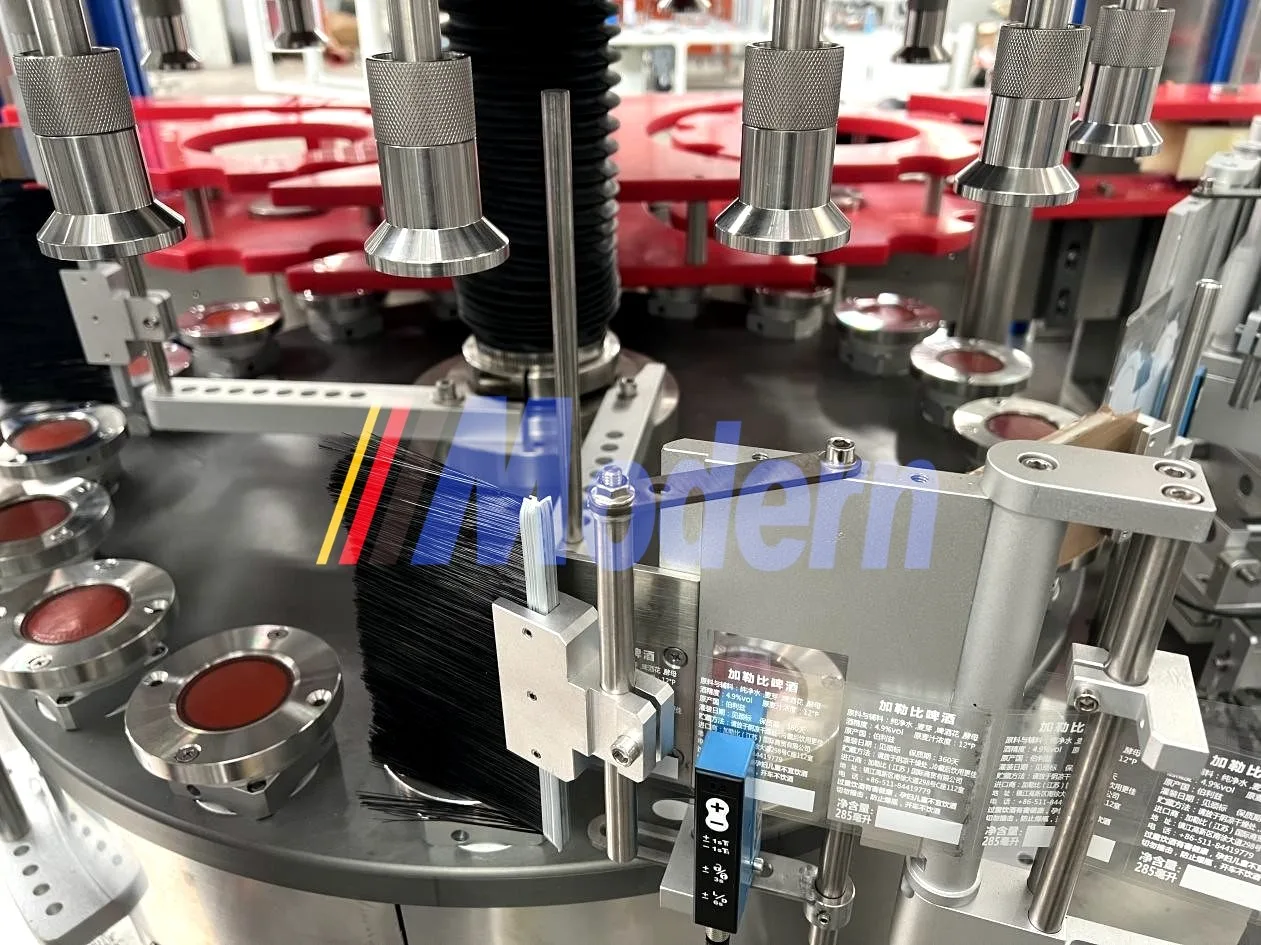
Labeling machines are crucial for businesses in various industries, enabling efficient labeling of products for branding, identification, and compliance purposes. Properly setting up a labeling machine is essential to ensure accurate and consistent labeling of products. In this guide, we will walk you through the process of setting up a labeling machine effectively.
Step 1: Choose the Right Labeling Machine
Before setting up a labeling machine, it’s essential to select the right type of machine that suits your specific labeling needs. Consider factors such as the size and shape of your products, production volume, labeling speed, and the type of labels you will be using (wrap-around labels, top labels, etc.). Evaluate different labeling machine options to determine the best fit for your requirements.
Step 2: Gather Necessary Equipment and Supplies
Ensure you have all the necessary equipment and supplies ready before setting up the labeling machine. This may include labels, label rolls, ink cartridges for printing information on labels, and any tools required for machine assembly and maintenance.
Step 3: Set Up the Labeling Machine
Follow these steps to set up your labeling machine effectively:
1. Unpack the Machine
Carefully unpack the labeling machine and inspect it for any damage that may have occurred during shipping. Ensure all parts are present and in good condition before proceeding with the setup.
2. Assemble the Machine
Assemble the labeling machine according to the manufacturer’s instructions. This may involve attaching the labeling head, conveyor belt, and other components based on the machine design. Make sure all connections are secure and properly aligned.
3. Adjust Settings
Set up the machine settings such as label length, gap between labels, and speed to match your labeling requirements. Refer to the machine manual for detailed instructions on adjusting these settings.
4. Load Labels and Ink
Load the label rolls and ink cartridges into the labeling machine as per the manufacturer’s guidelines. Make sure the labels are properly aligned and that the ink is sufficient for printing information on the labels, if required.
5. Test Run
Before beginning full-scale production, conduct a test run of the labeling machine to ensure everything is functioning correctly. Run a few sample products through the machine to check label placement, alignment, and print quality.
Step 4: Maintenance and Troubleshooting
Maintaining your labeling machine is key to its efficient operation. Regularly clean the machine, lubricate moving parts as needed, and inspect for any signs of wear or damage. Additionally, familiarize yourself with common troubleshooting measures in case of any issues during operation.
Step 5: Training and Safety
Provide training to operators on how to operate the labeling machine safely and effectively. Emphasize the importance of following proper procedures, wearing safety gear, and troubleshooting common issues. Conduct regular safety checks to ensure a secure working environment.
Step 6: Continuous Improvement
Regularly review the labeling process to identify areas for improvement. Collect feedback from operators, monitor machine performance, and explore new technologies or techniques that could enhance labeling efficiency and quality. Implement continuous improvement initiatives to optimize your labeling process continually.
Conclusion
Setting up a labeling machine requires careful planning, attention to detail, and regular maintenance to ensure smooth operation and high-quality labeling results. By following the steps outlined in this guide and prioritizing training and safety measures, you can effectively set up and optimize your labeling machine for efficient production processes.
Remember, investing time and effort in proper setup and maintenance of your labeling machine will pay off in the form of consistent labeling quality, increased productivity, and customer satisfaction.


