
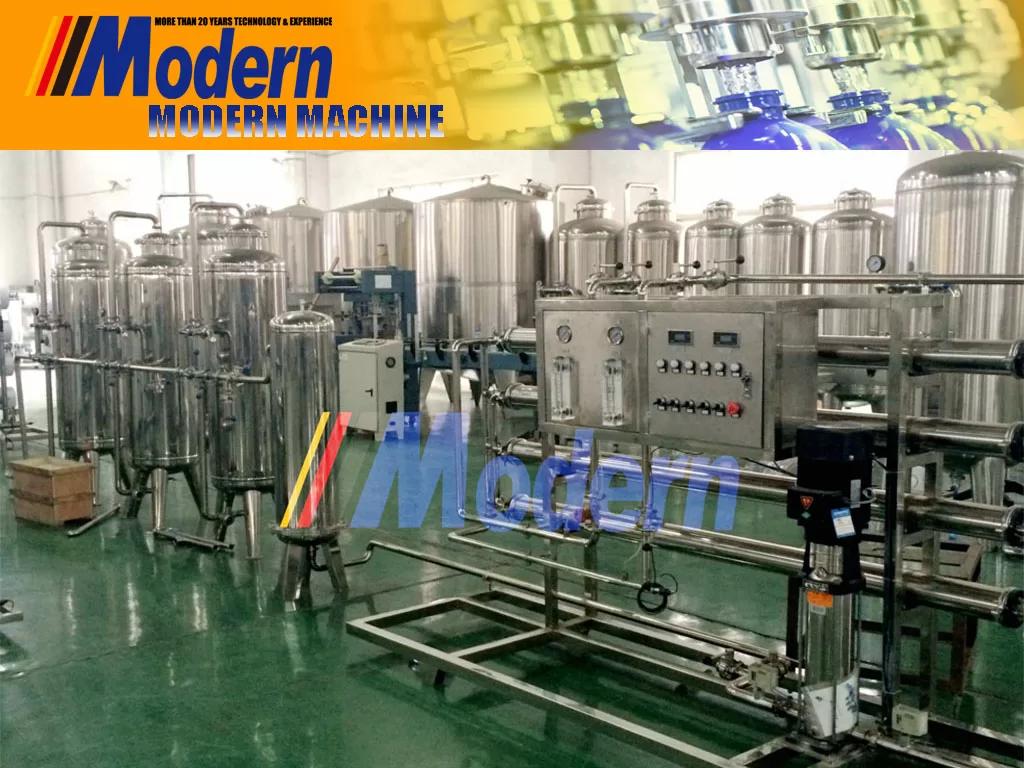
Water treatment plants play a crucial role in ensuring that the water we consume is safe and free from contaminants. These plants use a series of processes to remove impurities and make water fit for various purposes, including drinking, industrial use, and irrigation. In this article, we will delve into how water treatment plants clean water and the technologies and methods involved in this essential process.
1. Coagulation and Flocculation
One of the initial steps in the water treatment process is coagulation. During coagulation, chemicals are added to the water to make particles clump together. This process helps in the efficient removal of dirt, debris, and other suspended solids. Flocculation follows coagulation, where gentle mixing encourages the particles to form larger clumps called flocs, which can be easily removed in subsequent filtration steps.
2. Sedimentation
After coagulation and flocculation, the water moves to the sedimentation stage. In this step, the water is allowed to sit undisturbed, causing the flocs to settle at the bottom due to gravity. This process separates the clear water from the settled particles, which can then be removed. Sedimentation is a crucial step in removing larger impurities from the water before it undergoes further treatment.
3. Filtration
Once the sedimentation process is complete, the water passes through various filtration systems to remove remaining impurities. Filtration can involve the use of sand, carbon filters, or membrane filtration systems. These filters work to trap particles, bacteria, and other contaminants, ensuring that the water is clean and safe for consumption. Filtration is an essential step in producing high-quality water that meets regulatory standards.
4. Disinfection
Disinfection is a critical final step in the water treatment process to ensure that any remaining pathogens, bacteria, and viruses are destroyed. Chlorination is one of the most common methods of disinfection used in water treatment plants. Chlorine is added to the water in controlled amounts to eliminate harmful microorganisms effectively. Other disinfection methods include UV radiation, ozonation, and chloramine treatment.
5. pH Adjustment
Controlling the pH of water is essential to ensure that it is safe for consumption and does not cause corrosion or scaling in distribution systems. Water treatment plants adjust the pH of the water by adding chemicals such as lime or soda ash to achieve the desired pH level. Proper pH adjustment helps in maintaining water quality and prevents issues related to acidity or alkalinity.
6. Advanced Treatment Processes
In addition to the basic steps mentioned above, some water treatment plants employ advanced treatment processes to address specific contaminants or improve water quality further. These processes may include advanced oxidation, membrane filtration, reverse osmosis, and ion exchange. Advanced treatment technologies play a crucial role in ensuring that water meets stringent quality standards and is safe for consumption.
7. Monitoring and Testing
Water treatment plants conduct regular monitoring and testing to ensure that the treated water meets regulatory requirements and is safe for consumption. Sampling and analysis are carried out at different stages of the treatment process to assess the effectiveness of treatment and identify any potential issues. Monitoring water quality is essential to prevent contamination and ensure that consumers receive clean and safe drinking water.
8. Environmental Considerations
Water treatment plants also focus on environmental sustainability and reducing the impact of their operations on natural ecosystems. Effluent from treatment processes, such as sludge and chemical residues, is carefully managed to prevent pollution of water bodies and soil. Plant operators strive to minimize energy consumption, reduce carbon footprint, and adopt eco-friendly practices to promote environmental stewardship.
9. Public Awareness and Education
Public awareness and education play a vital role in promoting water conservation and the importance of clean drinking water. Water treatment plants engage with the community through outreach programs, educational campaigns, and public events to raise awareness about water quality, conservation practices, and the role of treatment plants in ensuring safe drinking water. Educating the public fosters a sense of responsibility towards water resources and encourages sustainable water use.
Conclusion
Water treatment plants employ a combination of physical, chemical, and biological processes to clean water and make it safe for various purposes. Coagulation, sedimentation, filtration, disinfection, pH adjustment, and advanced treatment technologies are essential steps in the water treatment process. Monitoring water quality, promoting environmental sustainability, and educating the public are also integral aspects of water treatment plant operations. By understanding how water treatment plants clean water and the technologies involved, we can appreciate the efforts made to provide clean and safe drinking water to communities worldwide.


