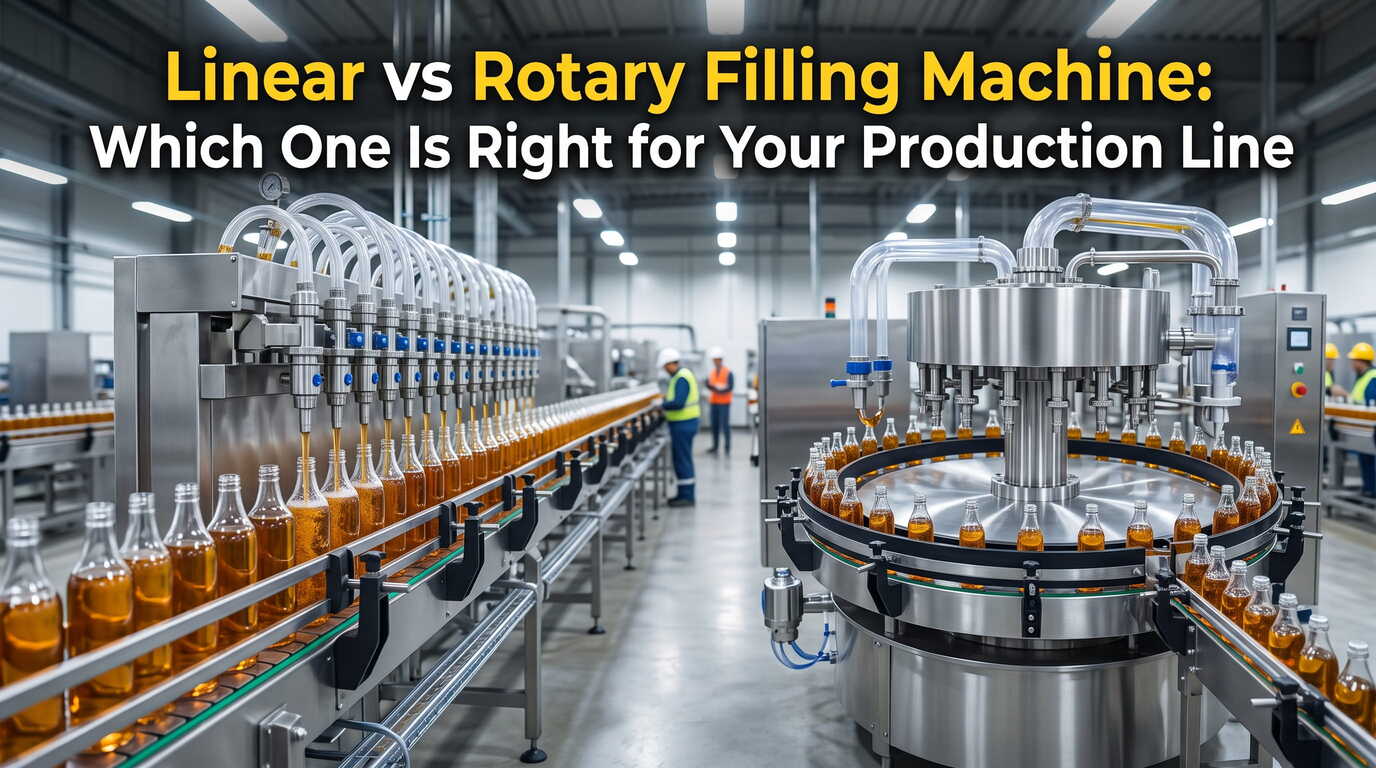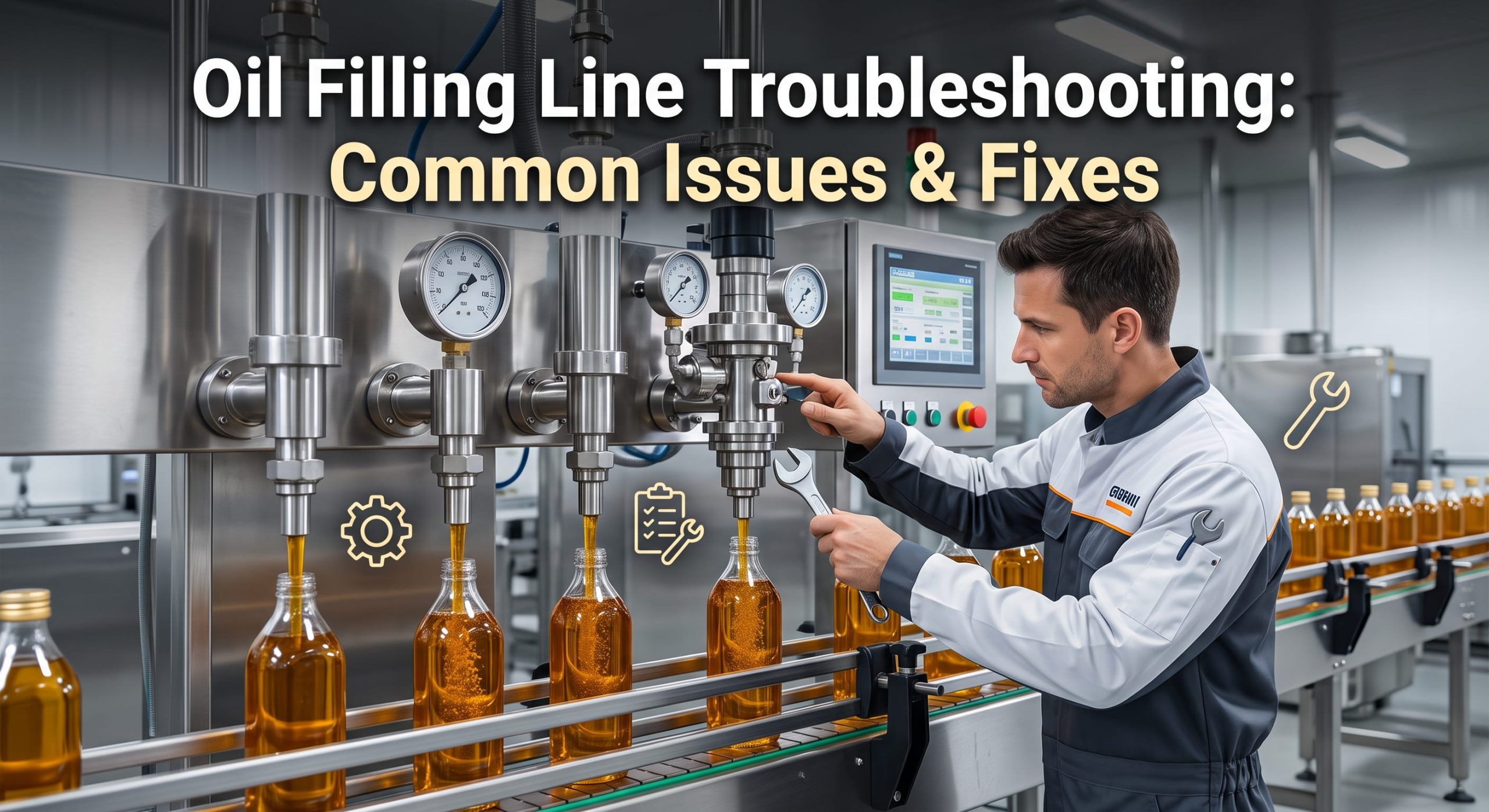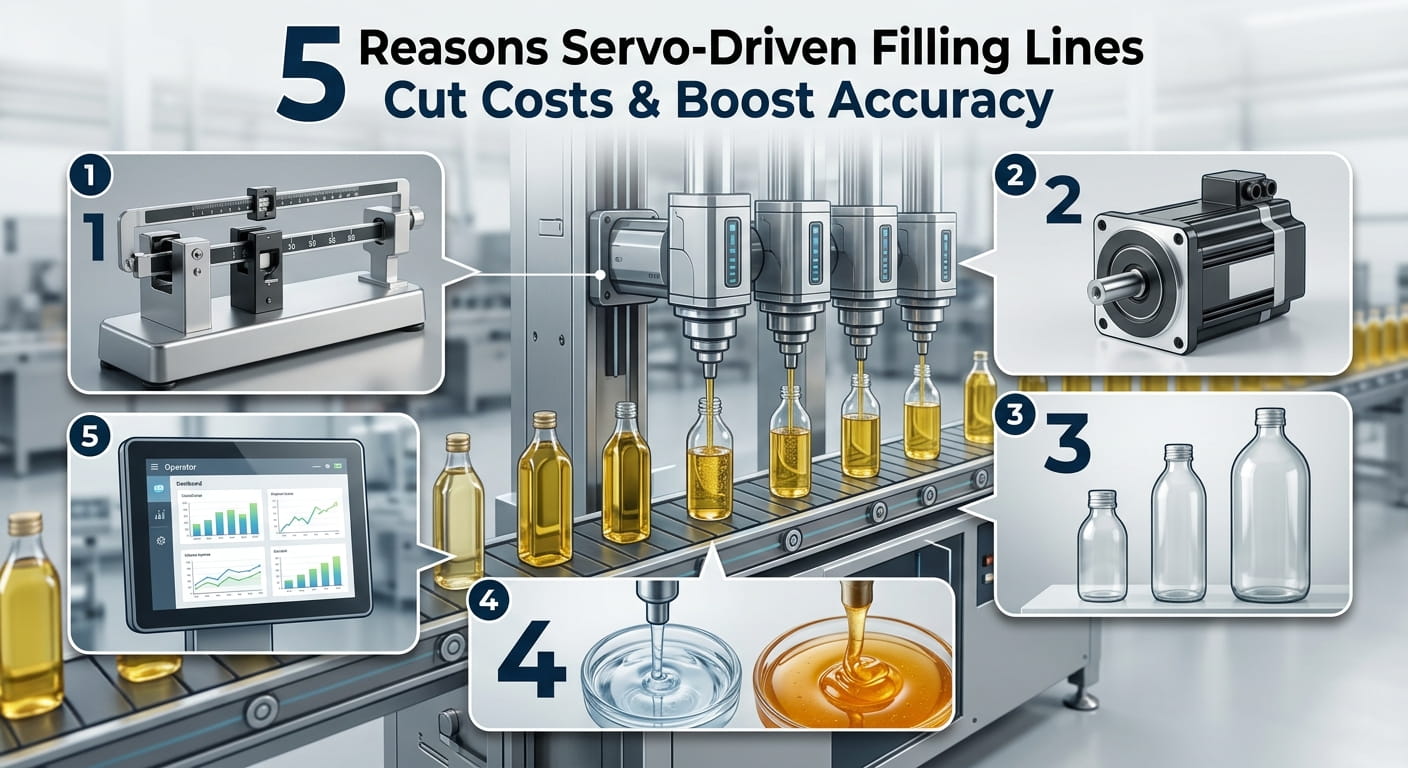

Les usines d'embouteillage de bière jouent un rôle essentiel dans la production de boissons sûres et de haute qualité pour les consommateurs du monde entier. Un aspect clé qui ne peut être négligé dans le fonctionnement de ces installations est le maintien de protocoles d'assainissement rigoureux. La mise en œuvre de pratiques d'assainissement efficaces est cruciale non seulement pour respecter les normes réglementaires, mais aussi pour préserver la qualité du produit et prévenir toute contamination. Dans cet article, nous examinerons l'importance de l'assainissement dans les usines d'embouteillage de bière et fournirons un guide complet sur les meilleures pratiques pour maintenir la propreté et l'hygiène.
L'importance de l'assainissement dans les usines d'embouteillage de bière
L'assainissement dans les usines d'embouteillage de bière est primordial car il a un impact direct sur la qualité du produit, la sécurité des consommateurs et l'efficacité opérationnelle globale. Sans mesures d'assainissement appropriées, le risque de contamination et d'altération augmente, entraînant des risques potentiels pour la santé et des problèmes de conformité. En donnant la priorité à l'assainissement, les brasseurs peuvent préserver la réputation de leurs marques, renforcer la confiance des consommateurs et assurer la fluidité des processus de production.
De plus, le maintien d'un environnement propre et désinfecté favorise une culture de travail positive, renforce la confiance des employés et réduit la probabilité de pannes d'équipement ou de rappels de produits. Investir du temps et des ressources dans des protocoles d'assainissement est une mesure proactive pour garantir la durabilité et le succès des opérations d'embouteillage de bière.
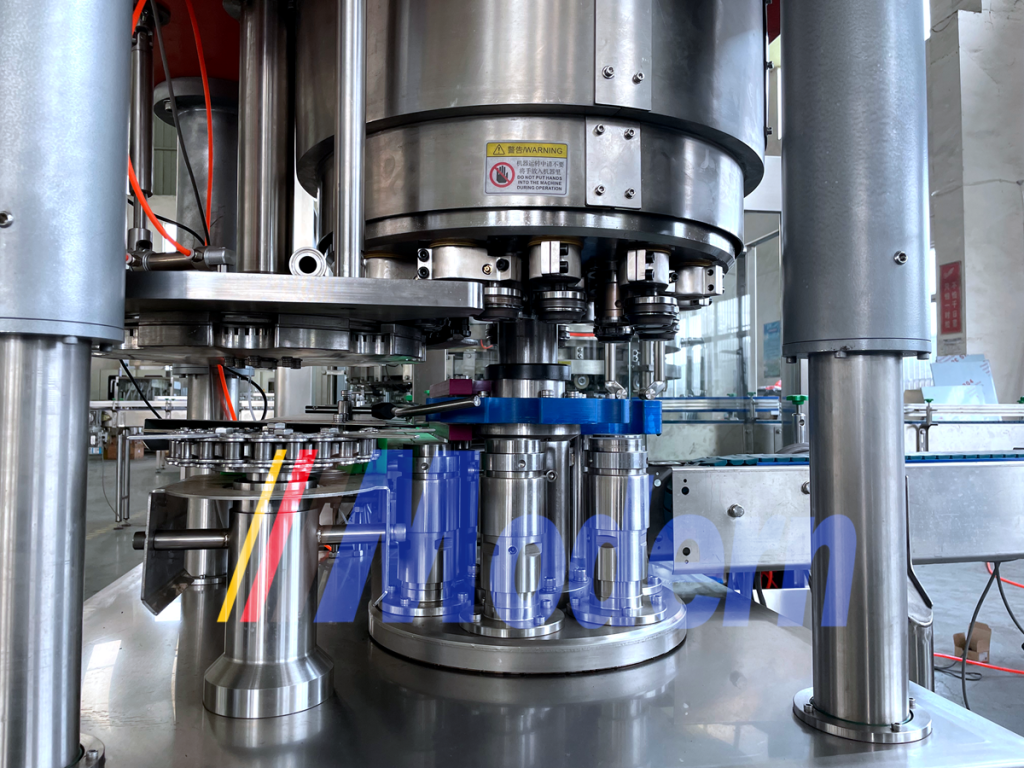
Protocoles d'assainissement efficaces pour les usines d'embouteillage de bière
1. Élaborer un plan d'assainissement complet
La première étape pour assurer la propreté dans les usines d'embouteillage de bière consiste à établir un plan d'assainissement détaillé. Ce plan doit définir les procédures de nettoyage spécifiques, les calendriers, les responsabilités et les méthodes de vérification. En créant un cadre structuré pour l'assainissement, les directeurs d'usine peuvent suivre les progrès, combler les lacunes potentielles et maintenir la cohérence des pratiques d'hygiène.
2. Former et éduquer le personnel
La formation et l'éducation appropriées des membres du personnel sont des éléments essentiels de protocoles d'assainissement réussis. Assurez-vous que tous les employés comprennent l'importance de la propreté, connaissent les procédures opérationnelles standard d'assainissement et reçoivent une formation régulière sur la manipulation des agents de nettoyage et de l'équipement. Donner au personnel les connaissances et les compétences nécessaires pour des pratiques d'assainissement efficaces est la clé du maintien d'un environnement hygiénique.
3. Mettre en œuvre les bonnes pratiques de fabrication (BPF)
Le respect des bonnes pratiques de fabrication (BPF) est crucial pour maintenir les normes d'assainissement dans les usines d'embouteillage de bière. Les directives des BPF constituent une base pour l'hygiène, la propreté et la sécurité dans les installations de production d'aliments et de boissons. En suivant les principes des BPF, tels que le lavage approprié des mains, l'assainissement de l'équipement et l'élimination des déchets, les brasseries peuvent respecter les normes de qualité et la conformité réglementaire.
4. Effectuer des inspections et des audits réguliers
Des inspections et des audits réguliers sont essentiels pour évaluer l'efficacité des protocoles d'assainissement dans les usines d'embouteillage de bière. Établissez un calendrier d'inspections internes et d'audits tiers pour évaluer la propreté des installations, de l'équipement et des zones de production. Détecter et traiter les problèmes d'assainissement potentiels de manière proactive peut prévenir les risques de contamination et assurer l'excellence opérationnelle.
5. Utiliser un équipement de nettoyage et des produits chimiques appropriés
Le choix de l'équipement de nettoyage et des produits chimiques appropriés est essentiel pour obtenir un assainissement optimal dans les usines d'embouteillage de bière. Investissez dans des outils de nettoyage de haute qualité, tels que des brosses, des épurateurs et des agents désinfectants approuvés pour une utilisation dans les environnements de transformation alimentaire. Assurez-vous que l'équipement de nettoyage est correctement entretenu et suivez les recommandations du fabricant pour les procédures de nettoyage.
6. Établir des principes de conception sanitaire
La conception des installations en tenant compte de l'assainissement est essentielle pour favoriser la propreté et minimiser le risque de contamination. Mettez en œuvre des principes de conception sanitaire lors de la planification de l'agencement des usines d'embouteillage de bière, de la sélection de l'équipement et des matériaux de construction. Les surfaces lisses, les systèmes de drainage appropriés et les points de nettoyage facilement accessibles sont des considérations clés pour maintenir un environnement hygiénique.
Conclusion
En conclusion, les protocoles d'assainissement font partie intégrante du succès et de la réputation des usines d'embouteillage de bière. En donnant la priorité à la propreté, en mettant en œuvre des mesures d'assainissement efficaces et en favorisant une culture de l'hygiène, les brasseries peuvent assurer la production de boissons sûres et de haute qualité. Le respect des meilleures pratiques, l'investissement dans la formation du personnel et la réalisation d'inspections régulières sont des étapes essentielles pour maintenir les normes d'assainissement. En suivant les directives décrites dans cet article, les usines d'embouteillage de bière peuvent respecter la conformité réglementaire, protéger la santé des consommateurs et favoriser l'excellence opérationnelle.