
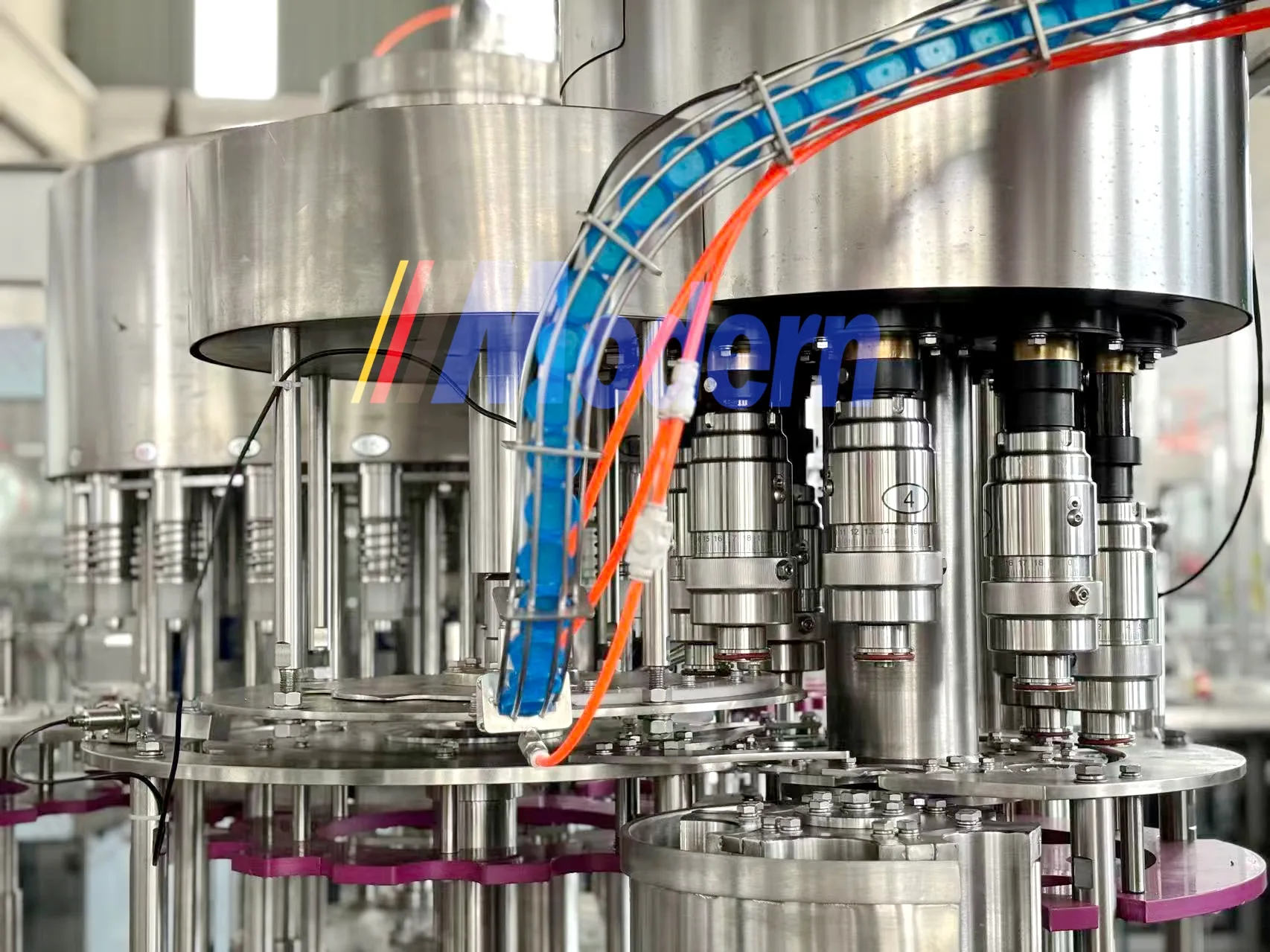
Les machines contrefaites représentent une menace importante pour les entreprises opérant sur le marché B2B. La prévalence de faux produits n'affecte pas seulement la qualité et les performances des machines, mais entraîne également des pertes financières et des dommages à la réputation des acheteurs. Pour naviguer dans ce paysage complexe et protéger vos intérêts commerciaux, il est crucial de mettre en œuvre des stratégies efficaces pour détecter et éviter les machines contrefaites.
Comprendre les risques liés aux machines contrefaites
Les machines contrefaites désignent des produits non autorisés qui imitent des marques légitimes et sont souvent de qualité inférieure. En achetant des machines contrefaites, les entreprises s'exposent à une série de risques, notamment :
- Performances médiocres et risques pour la sécurité
- Absence de garantie et de support après-vente
- Répercussions juridiques potentielles
- Perte de confiance des clients et atteinte à la réputation de la marque
Stratégies clés pour éviter les machines contrefaites
1. Recherche et diligence raisonnable
Avant d'effectuer tout achat, effectuez des recherches approfondies sur la marque de la machine, le fournisseur et les spécifications du produit. Vérifiez la crédibilité du fournisseur en examinant sa réputation, ses certifications et les avis des clients. Recherchez les canaux de distribution officiels et les revendeurs agréés pour garantir l'authenticité.
2. Exiger la documentation
Exigez une documentation complète, incluant les factures, les certificats d'authenticité et les manuels d'utilisation. Les fabricants authentiques fournissent des documents détaillés qui décrivent les spécifications du produit, les conditions de garantie et le support après-vente. Méfiez-vous des fournisseurs incapables de fournir une documentation appropriée.
3. Inspection et test du produit
Avant de finaliser un achat, inspectez la machine en personne dans la mesure du possible. Recherchez les écarts dans l'étiquetage, l'emballage et la qualité de fabrication qui pourraient indiquer un produit contrefait. Effectuez des tests de performance pour vous assurer que le produit répond aux normes spécifiées et fonctionne comme prévu.
4. Vérifier les droits de propriété intellectuelle
Vérifiez les marques déposées, les numéros de série et autres marqueurs d'identification pour authentifier l'origine de la machine. Les produits authentiques sont souvent accompagnés d'identifiants uniques qui peuvent être vérifiés auprès du fabricant. Soyez prudent si le produit ne présente pas ces marqueurs cruciaux ou s'ils semblent altérés ou falsifiés.
5. Établir des relations avec des fournisseurs agréés
Établissez des partenariats solides avec des fournisseurs et distributeurs agréés qui peuvent garantir l'authenticité des machines. En entretenant des relations directes avec des sources réputées, vous pouvez réduire le risque de tomber sur des produits contrefaits et accéder à des machines authentiques à des prix compétitifs.

Que faire en cas de suspicion de machine contrefaite
Si vous rencontrez un produit que vous soupçonnez d'être contrefait, prenez immédiatement des mesures pour protéger vos intérêts :
- Documentez vos conclusions et rassemblez des preuves du caractère contrefait du produit
- Signalez l'incident aux autorités compétentes et aux associations professionnelles
- Contactez le fabricant ou le propriétaire de la marque pour vérifier l'authenticité du produit
- Cessez toute transaction ultérieure avec le fournisseur en question
- Envisagez une action en justice si nécessaire pour résoudre le problème
Conclusion
Les machines contrefaites représentent un défi majeur sur le marché B2B, mais grâce à la vigilance, à la recherche et à des mesures proactives, les entreprises peuvent minimiser le risque d'être victimes de produits frauduleux. En mettant en œuvre les stratégies décrites ci-dessus et en privilégiant l'authenticité et la qualité, les entreprises peuvent protéger leurs opérations, leur réputation et leurs résultats financiers dans un marché de plus en plus complexe.


