
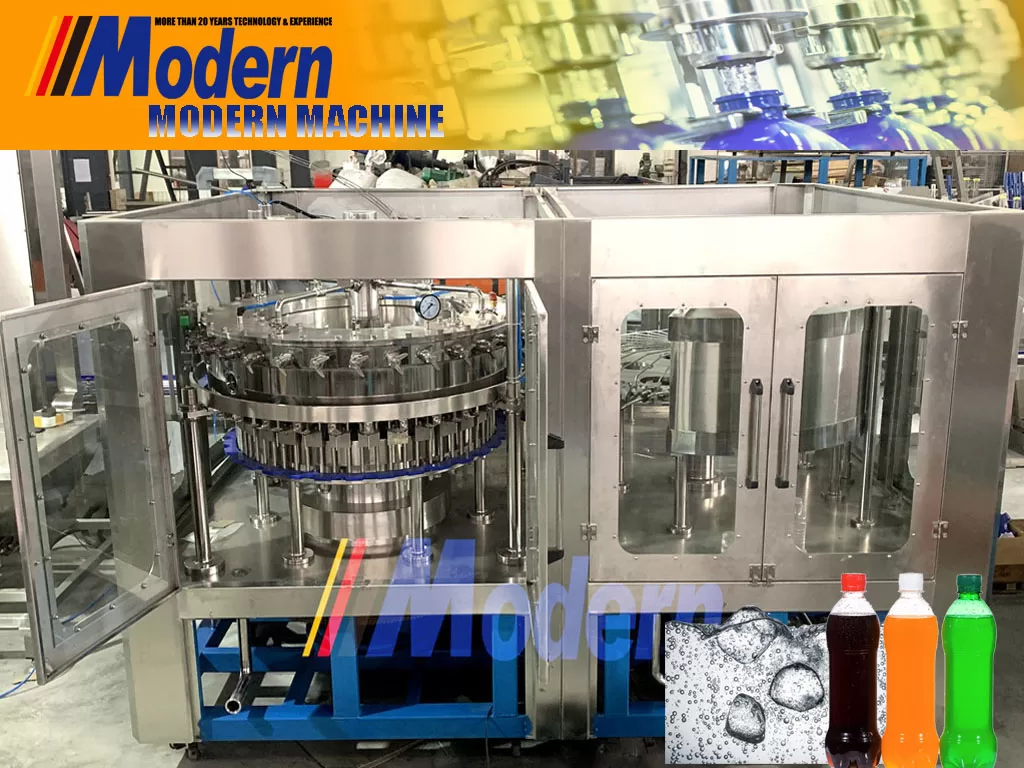
تعد المشروبات الغازية من بين المشروبات الأكثر شعبية في جميع أنحاء العالم، وتعتمد عملية الإنتاج الفعالة لهذه المشروبات الفوارة بشكل كبير على استخدام آلات تعبئة المشروبات الغازية المتطورة. في هذا المقال، سوف نتعمق في خطوات عمل آلة تعبئة المشروبات الغازية النموذجية، مع تسليط الضوء على المكونات والعمليات والتقنيات الرئيسية التي تضمن تعبئة المشروبات الغازية في الزجاجات أو العلب بسلاسة وبطريقة صحية.
مقدمة عن آلات تعبئة المشروبات الغازية
تعد آلات تعبئة المشروبات الغازية قطعاً متطورة من المعدات المصممة لأتمتة عملية تعبئة المشروبات الغازية في العبوات، مثل الزجاجات أو العلب، على نطاق واسع. تعتبر هذه الآلات ضرورية في خطوط إنتاج مصانع المشروبات الغازية، حيث تضمن عمليات تعبئة عالية السرعة والدقة لتلبية طلبات المستهلكين بكفاءة.
خطوات عمل آلة تعبئة المشروبات الغازية
فيما يلي خطوات العمل النموذجية التي تتضمنها آلة تعبئة المشروبات الغازية:
الخطوة 1: تحميل الزجاجات/العلب
الخطوة الأولى في عملية التعبئة هي تحميل الزجاجات أو العلب الفارغة على سير النقل الخاص بالآلة. يمكن القيام بذلك يدوياً أو من خلال نظام آلي اعتماداً على سعة وتصميم آلة التعبئة.
الخطوة 2: الشطف/التطهير
بمجرد تحميل العبوات، تمر عبر محطة شطف أو تطهير حيث يتم تنظيفها وتعقيمها لضمان النظافة ومنع تلوث المشروبات الغازية.
الخطوة 3: الكربنة
قبل بدء عملية التعبئة، يتم كربنة المشروب الغازي للوصول إلى المستوى المطلوب من الفوران. يتم ذلك عادةً في قسم منفصل من الآلة يقوم بضخ ثاني أكسيد الكربون في المشروب.
الخطوة 4: التعبئة
تبدأ عملية التعبئة بمجرد تنظيف العبوات وتجهيز المشروب الغازي. تستخدم آلة التعبئة فوهات وصمامات دقيقة لملء كل عبوة بالكمية المناسبة من المشروب الغازي دون انسكاب أو تكوّن رغوة.
الخطوة 5: الإغلاق/الختم
بعد تعبئة العبوات، تنتقل إلى محطة الإغلاق أو الختم حيث يتم تركيب الأغطية على الزجاجات أو العلب لإغلاقها بإحكام والحفاظ على كربنة المشروب.
الخطوة 6: وضع الملصقات
بمجرد إغلاقها، تمر العبوات عبر محطة وضع الملصقات حيث يتم لصق ملصقات تحتوي على معلومات المنتج، والعلامة التجارية، والرموز الشريطية (الباركود) على الزجاجات أو العلب لأغراض التعريف والتسويق.
الخطوة 7: مراقبة الجودة
قبل تعبئة المنتجات النهائية وشحنها، تخضع لفحوصات دقيقة لمراقبة الجودة لضمان مطابقة كل عبوة للمعايير المطلوبة من حيث دقة التعبئة، وسلامة الإغلاق، وجودة المنتج الإجمالية.
المكونات الرئيسية لآلة تعبئة المشروبات الغازية
تتكون آلة تعبئة المشروبات الغازية النموذجية من عدة مكونات رئيسية تعمل معاً لضمان التشغيل الفعال لعملية التعبئة. تشمل بعض المكونات الأساسية ما يلي:
صمامات التعبئة
وهي صمامات دقيقة تتحكم في تدفق المشروب الغازي إلى العبوات. وهي تضمن أحجام تعبئة دقيقة وتمنع الانسكاب أثناء عملية التعبئة.
نظام سير النقل
يقوم نظام سير النقل بنقل العبوات عبر مراحل مختلفة من عملية التعبئة، مما يضمن تدفقاً سلساً ومستمراً للإنتاج دون حدوث اختناقات.
آلة الإغلاق
تتولى آلة الإغلاق مسؤولية ختم العبوات المعبأة بالأغطية، مما يضمن إغلاقاً آمناً للحفاظ على كربنة المشروب ونضارته.
نظام وضع الملصقات
يقوم نظام وضع الملصقات بوضع الملصقات على العبوات، مما يوفر معلومات أساسية عن المنتج وعناصر العلامة التجارية لتعزيز قابلية تسويق المشروبات الغازية.
التطورات التكنولوجية في آلات تعبئة المشروبات الغازية
مع تقدم التكنولوجيا، تطورت آلات تعبئة المشروبات الغازية لتشمل ميزات مبتكرة تعزز الكفاءة والدقة والاستدامة في عملية الإنتاج. تشمل بعض التطورات التكنولوجية في آلات التعبئة الحديثة ما يلي:
أنظمة التنظيف في المكان (CIP) الآلية
تعمل هذه الأنظمة على أتمتة عملية تنظيف وتعقيم آلة التعبئة، مما يضمن مستويات عالية من النظافة ويقلل من وقت التوقف عن العمل لعمليات التنظيف اليدوية.
دمج وحدة التحكم المنطقية القابلة للبرمجة (PLC)
تتحكم أنظمة PLC في عملية التعبئة بأكملها وتراقبها، مما يتيح إجراء تعديلات في الوقت الفعلي وتحسين الكفاءة التشغيلية لتلبية أهداف الإنتاج بفعالية.
تصميم موفر للطاقة
تم تصميم آلات تعبئة المشروبات الغازية الحديثة لتقليل استهلاك الطاقة وتقليل التأثير البيئي من خلال مكونات موفرة للطاقة وميزات تشغيلية ذكية.
اتصال إنترنت الأشياء (IoT)
تم تجهيز بعض آلات التعبئة المتقدمة باتصال إنترنت الأشياء، مما يسمح بالمراقبة عن بُعد، والصيانة التنبؤية، وتحليلات البيانات لتحسين أداء المعدات وموثوقيتها بشكل عام.
الخلاصة
في الختام، تلعب آلات تعبئة المشروبات الغازية دوراً حاسماً في الإنتاج الضخم للمشروبات الغازية، حيث تضمن عمليات تعبئة سريعة ودقيقة لتلبية طلبات المستهلكين بفعالية. من خلال فهم خطوات العمل، والمكونات الرئيسية، والتطورات التكنولوجية في هذه الآلات، يمكن للمصنعين تحسين عمليات الإنتاج الخاصة بهم وتقديم مشروبات غازية عالية الجودة إلى السوق بكفاءة ودقة.
لمزيد من المعلومات والاستفسارات حول آلات تعبئة المشروبات الغازية، لا تتردد في التواصل مع خبراء الصناعة والموردين المتخصصين في معدات إنتاج المشروبات.


