
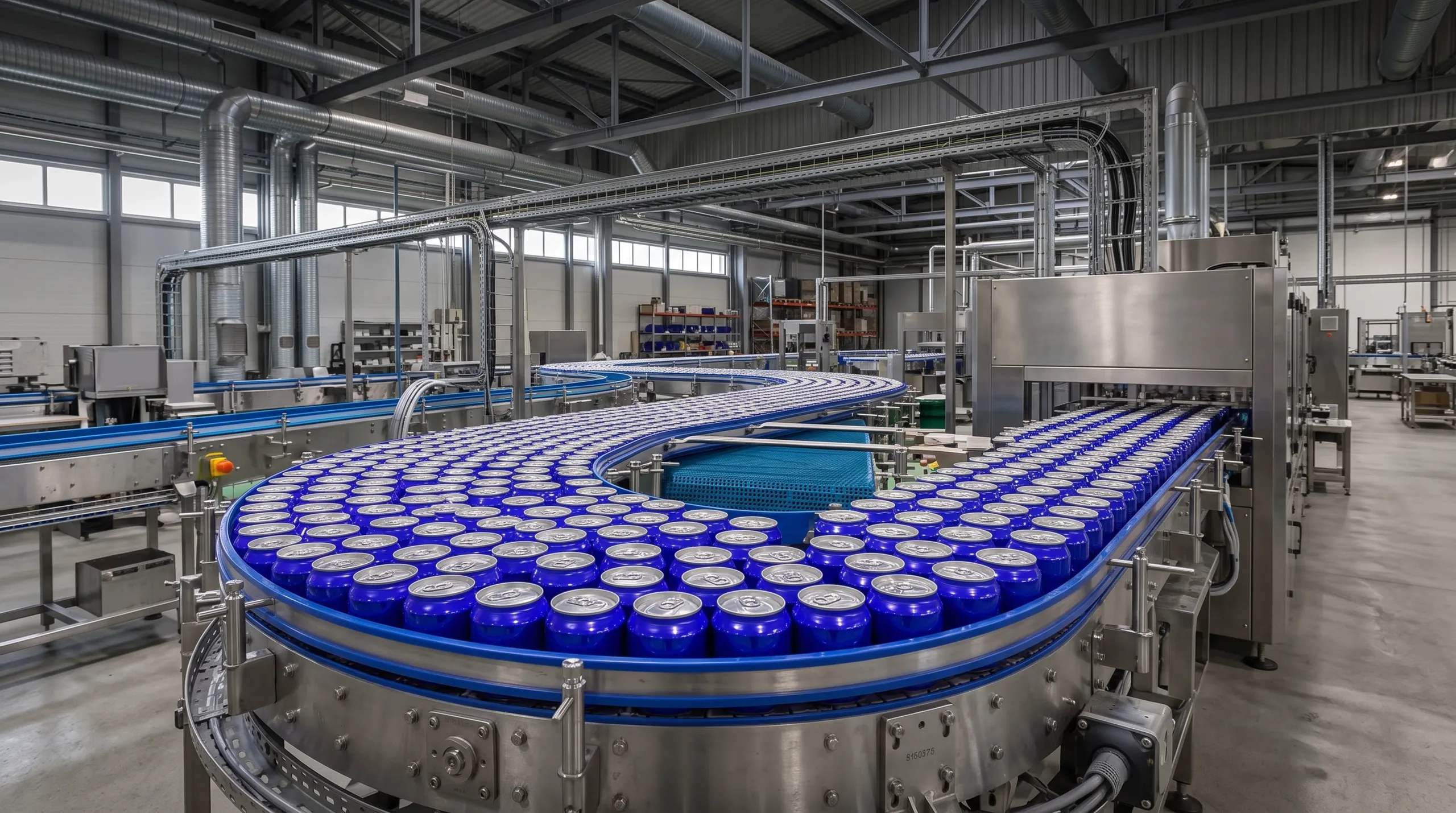
خط تعليب المشروبات
توفر Modern Machinery خطوط تعبئة في علب تتعامل مع المشروبات الغازية، والعصائر غير الغازية، والبيرة. يستخدم النظام التعبئة متساوية الضغط للمشروبات الغازية والتعبئة بالجاذبية للمشروبات الساكنة. يدعم الخط أحجام علب من 150 مل إلى 500 مل ويعمل مع علب الألمنيوم، والصفيح، وPET.
ما هو خط تعبئة المشروبات في علب؟
خط تعبئة المشروبات في علب هو نظام إنتاج يقوم بتعبئة وإغلاق المشروبات في علب معدنية أو PET لتوزيعها في الأسواق.
تتغير طريقة التعبئة بناءً على المنتج. بالنسبة للمشروبات الغازية (الكولا، الصودا، المياه الفوارة)، تستخدم MD التعبئة متساوية الضغط. تحافظ هذه الطريقة على الغاز داخل السائل تحت ضغط وتمنع تكون الرغوة. يتعامل النظام متساوي الضغط مع مستويات كربنة تصل إلى 4.1 حجم من ثاني أكسيد الكربون. بالنسبة للمشروبات غير الغازية (العصائر، الشاي المثلج، المياه العادية)، تستخدم MD التعبئة بالجاذبية. تستخدم هذه الطريقة صمام تدفق بسيط وتعمل بشكل أسرع للسوائل منخفضة اللزوجة. بالنسبة للبيرة، نوفر خيار التعبئة بالتفريغ لتقليل امتصاص الأكسجين.
يدعم الخط أحجام علب من 150 مل إلى 500 مل، ويسمح بالتبديل بين علب الألمنيوم والصفيح وPET باستخدام قطع سريعة التغيير.
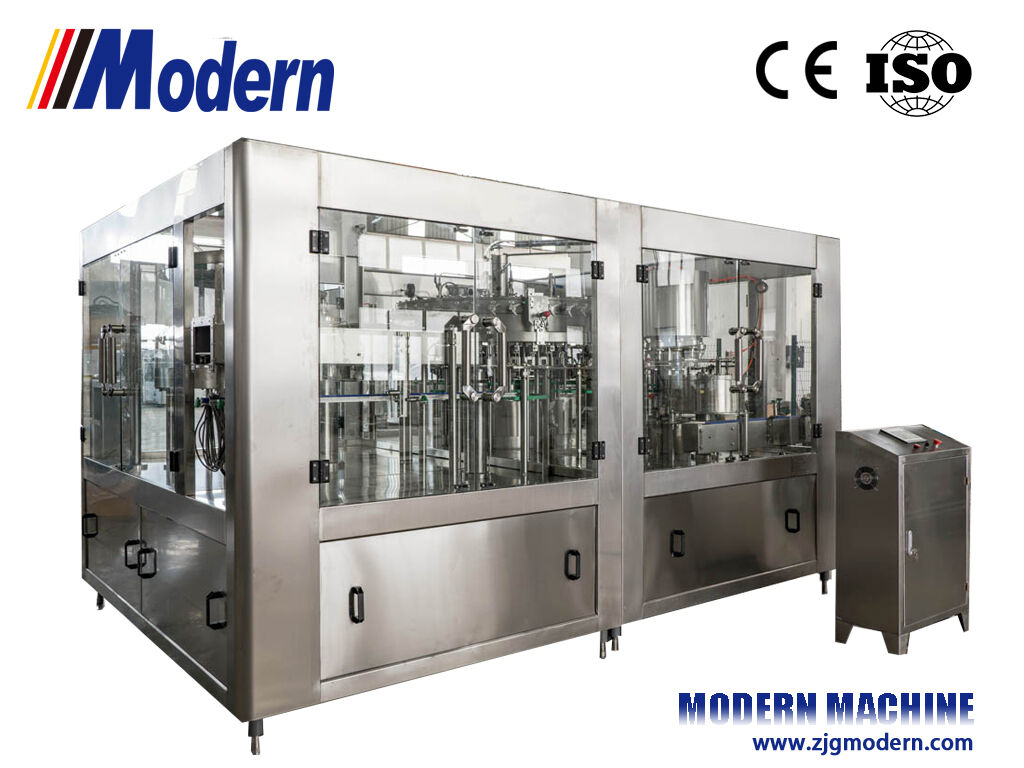
تخطيط خط التعليب – 9 آلات متسلسلة
يوضح الرسم أدناه مخطط الأرضية القياسي. يربط الناقل كل آلة بهذا الترتيب الثابت. راجع التسلسل قبل طلب عرض سعر.
الآلات الرئيسية في خط تعبئة المشروبات الغازية
جهاز تفريغ العلب الأوتوماتيكي من منصات التحميل
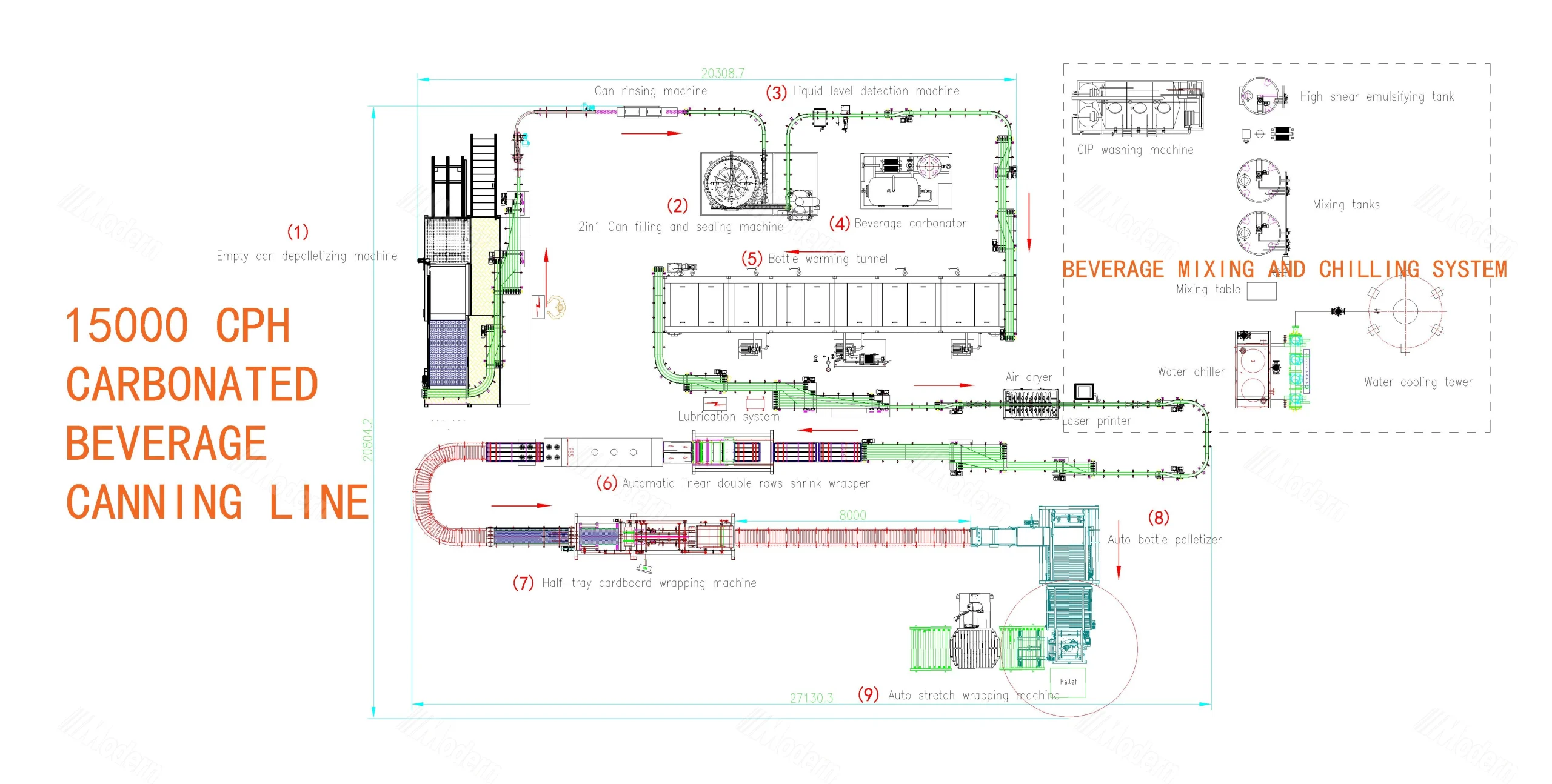
آلة تعبئة وإغلاق العلب 2 في 1
جهاز الكشف عن مستوى السائل
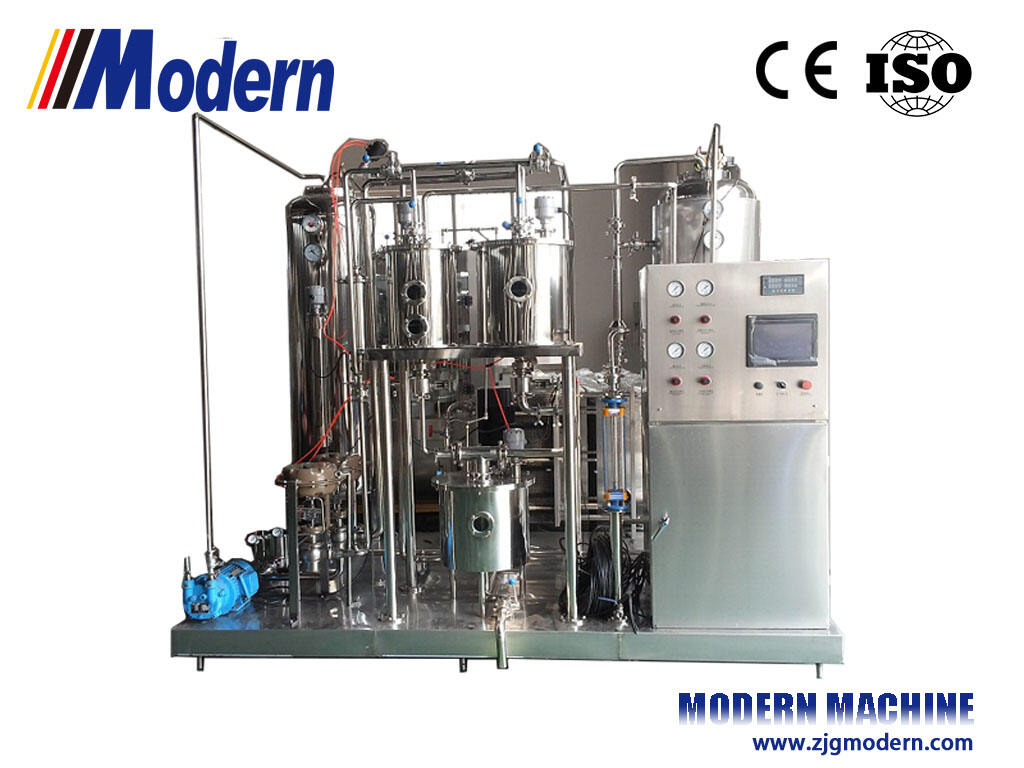
آلة كربنة المشروبات
نفق تسخين العلب
آلة التغليف بالانكماش الحراري الخطية
آلة تغليف العلب بالكرتون (نصف صينية)
جهاز رص الزجاجات الأوتوماتيكي على منصات التحميل
آلة التغليف بالشرائح القابلة للتمدد الأوتوماتيكية
المواصفات الرئيسية لخط التعبئة الخاص بك
قدم هذه المعايير لفريقنا الهندسي. سنقوم بتصميم الخط ليتناسب مع نوع منتجك واحتياجات الإنتاج اليومية.
| نوع المنتج | المشروبات الغازية (الكولا، الصودا، المياه الفوارة)، المشروبات الساكنة (العصائر، الشاي المثلج، المياه العادية)، والبيرة. |
|---|---|
| مواد العلب | الألمنيوم (قطعتان)، الصفيح (3 قطع)، وعلب بلاستيك PET. |
| نطاق حجم العلبة | 150 مل إلى 500 مل (قياسي)؛ تتوفر أحجام مخصصة عند الطلب. |
| نطاق قطر العلبة | 50 مم إلى 85 مم |
| نطاق ارتفاع العلبة | 80 مم إلى 200 مم |
| أقصى مستوى كربنة | حتى 4.1 حجم CO₂ (تعبئة متساوية الضغط) |
| سعة الإنتاج | 1,000 إلى 15,000 علبة في الساعة (CPH)، اعتماداً على الطراز وحجم العلبة. |
| طرق التعبئة | التعبئة متساوية الضغط (للمنتجات الغازية) والتعبئة بالجاذبية (للمنتجات الساكنة). يتوفر خيار التعبئة بالتفريغ للبيرة. |
| دقة التعبئة | ± 1.0 مل لكل علبة (اعتماداً على خصائص المنتج وأبعاد العلبة) |
| نوع القفل | قفل مزدوج (قياسي لعبوات الصفيح المكونة من قطعتين أو ثلاث قطع) |
| وسط الشطف | ماء نقي أو هواء معقم |
| مادة الأجزاء الملامسة للمنتج | ستانلس ستيل 304 و316. حشوات الإغلاق مطابقة للمعايير الغذائية |
مميزات وحدة التعبئة والإغلاق 2 في 1
يستخدم النظام متساوي الضغط غاز ثاني أكسيد الكربون المضغوط لمعادلة الضغط داخل العبوة وخزان التعبئة. يتدفق المشروب تحت نفس ضغط العبوة. تمنع هذه الطريقة انطلاق ثاني أكسيد الكربون المذاب، مما يحافظ على فوار المشروب النهائي دون رغوة زائدة. يتعامل النظام مع نسبة كربنة تصل إلى 4.1 حجم.
بالنسبة للعصائر والمياه الساكنة، تستخدم Modern Machinery صمام تغذية بالجاذبية. يتدفق السائل من الخزان المرتفع إلى العبوة بفعل الجاذبية فقط. هذا التصميم أبسط، ويحتوي على أجزاء متحركة أقل، ويعمل بسرعة أكبر للمنتجات غير الغازية.
يحتوي كل موضع تعبئة على مستشعر تقارب. يتحقق المستشعر من وجود عبوة قبل فتح الصمام. إذا كانت العبوة مفقودة، يظل الصمام مغلقاً. يمنع هذا الإجراء انسكاب السوائل ويقلل من هدر المنتج.
يستخدم برج الإغلاق أسطوانة تشغيل أولى وأسطوانة تشغيل ثانية. تقوم الأسطوانات بتشكيل القفل المزدوج خطوة بخطوة. تتحقق الآلة من سمك القفل وطول الخطاف أثناء الدورة لضمان إغلاق محكم ضد التسريب.
توفر Modern Machinery أطقم تغيير لأقطار وارتفاعات العبوات المختلفة. يقوم المشغلون بتبديل ماسكات العبوات، والعجلات النجمية، وشوط صمام التعبئة، وأسطوانات الإغلاق. يستغرق التغيير الكامل حوالي 90 دقيقة، اعتماداً على فرق الحجم وخبرة المشغل.
يدعم الناقل والماسكات الألمنيوم (معدن لين)، والصفيح (معدن أكثر صلابة)، وPET (بلاستيك). تقوم الآلة بضبط ضغط الماسك لتجنب خدش الألمنيوم أو سحق عبوات PET.
يحتوي خزان التعبئة والأنابيب ومشعبات الصمامات على وصلات تنظيف (CIP). يقوم المشغلون بتشغيل دورة مياه ساخنة ومنظف كاوٍ بين تغييرات المنتج. يقلل هذا التصميم من وقت التنظيف اليدوي.
تتوافق سرعة العجلة النجمية لتفريغ وحدة التعبئة والإغلاق مع سرعة مدخل نفق التسخين. يستخدم الناقل محرك تردد لضبط السرعة. يمنع هذا التزامن دفع العبوات لبعضها البعض ويتجنب انبعاج أطرافها.
سير عمل المشروع من التركيبة إلى التركيب
مواصفات المنتج والعبوة
تقوم Modern Machinery بمراجعة وصفة مشروبك (حجم ثاني أكسيد الكربون، اللزوجة، درجة الحموضة)، ومادة العبوة (ألمنيوم، صفيح، أو PET)، وأبعاد العبوة، ونوع الغطاء. نؤكد طريقة التعبئة: متساوية الضغط، أو بالجاذبية، أو بالتفريغ (للجعة).
تخطيط تصميم المصنع
يقوم قسم التصميم بمساعدة الحاسوب (CAD) لدينا برسم تخطيط المصنع. يحدد الرسم مواقع الماكينات التسع، وأطوال السيور الناقلة، ووصلات الخدمات (الهواء المضغوط، وغاز ثاني أكسيد الكربون، والكهرباء، والصرف).
التجميع واختبار القبول في المصنع (FAT)
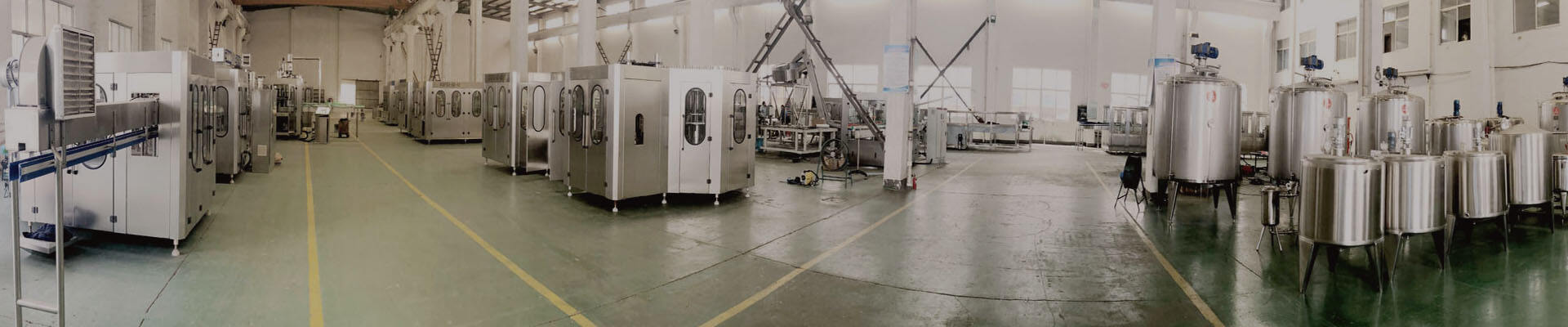
نقوم بتجميع الخط في مصنعنا. ندعوك لتجربة عبواتك الفعلية وعينات مشروباتك. أثناء اختبار القبول في المصنع (FAT)، نقوم بقياس دقة التعبئة، وسلامة القفل (قطع وفحص القفل)، وسرعة الخط الإجمالية.
التركيب والتدريب
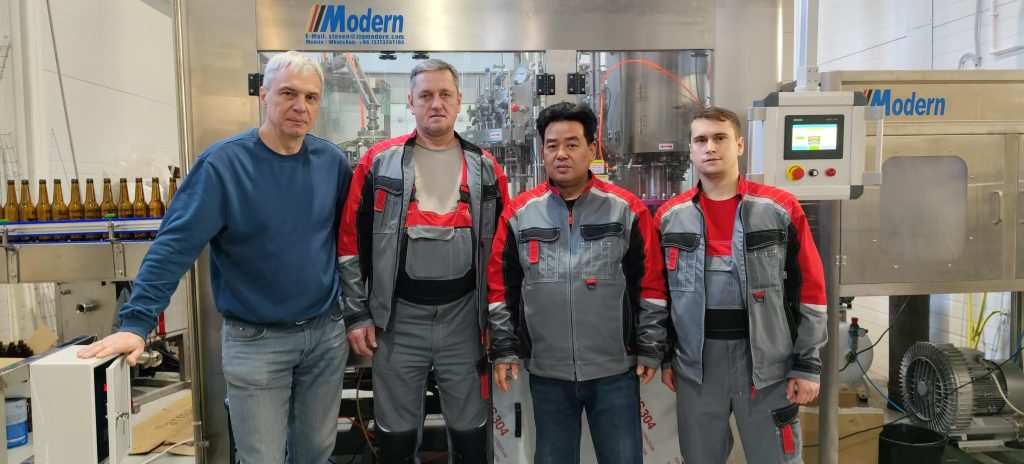
يتولى فريق الخدمة الميدانية لدينا الإعداد الميكانيكي والتوصيل الكهربائي في موقعك. ثم نقوم بتشغيل الخط، وضبط أسطوانات الإغلاق، وتدريب المشغلين لديك، وتوفير وثائق الصيانة.
فيديوهات حقيقية لخطوط إنتاج التعليب
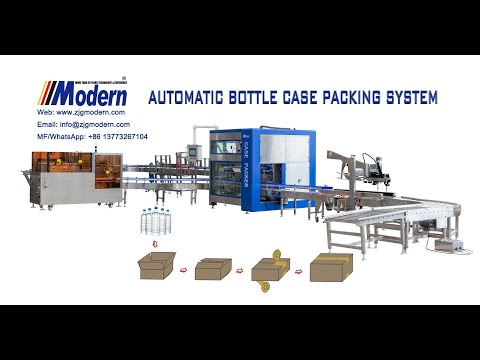
آلة تعبئة الكرتون للمواد الكيميائية في أستراليا
نظام أوتوماتيكي لتشكيل الكراتين، وتعبئة الزجاجات، وإغلاق الكراتين تم تطويره لمشروع سوائل كيميائية في أستراليا. يتعامل هذا النظام المصنوع من الفولاذ المقاوم للصدأ SS316 مع زجاجات HDPE سعة 5 لتر، ويكمل عمليات تشكيل الكرتون، وتعبئة الزجاجات، وإغلاق الكراتين بسرعة 14 كرتونة في الدقيقة.

آلة وضع الملصقات OPP عالية السرعة
آلة وضع ملصقات دوارة عالية السرعة تعمل بالغراء الساخن (OPP) لزجاجات مياه PET سعة 500 مل.

آلة نفخ زجاجات PET
آلة نفخ زجاجات PET أوتوماتيكية ذات ستة تجاويف لإنتاج زجاجات المشروبات سعة 500 مل بمعدل 8,000 زجاجة في الساعة.
استكشف مشاريع خطوط التعليب التي أنجزناها
اختر خط التعليب الخاص بك حسب نوع المشروب، والحجم، والإنتاجية
حسب نوع المشروب
- المشروبات الغازية (كولا، تونيك، صودا) – استخدم التعبئة متساوية الضغط. تحافظ هذه الطريقة على حجم ثاني أكسيد الكربون وتمنع تكون الرغوة. تتعامل مع ما يصل إلى 4.1 حجم من ثاني أكسيد الكربون.
- المشروبات غير الغازية (عصير، شاي مثلج، مياه ساكنة) – استخدم التعبئة بالجاذبية. هذه الطريقة أسرع وتستهلك طاقة أقل للمنتجات غير الغازية.
- الجعة – استخدم التعبئة متساوية الضغط مع خيار التفريغ المسبق. يحافظ هذا المزيج على الكربنة ويقلل من الأكسجين المذاب.
حسب حجم العبوة
- 150 مل – 250 مل – عبوات صغيرة لمشروبات الطاقة، وحصص العصير الصغيرة، وأحجام العينات.
- 250 مل – 355 مل – الحجم القياسي للكولا، والجعة، والمشروبات ذات الحصة الواحدة.
- 355 مل – 500 مل – عبوات طويلة للجعة الحرفية وحصص العصير الأكبر.
حسب الإنتاج بالساعة
- 1,000 – 3,000 عبوة في الساعة – لمنتجي المشروبات الحرفية والعلامات التجارية الناشئة.
- 4,000 – 8,000 عبوة في الساعة – للموزعين الإقليميين وشركات التعبئة المتعاقدة.
- 9,000 – 15,000 عبوة في الساعة – لمصانع المشروبات واسعة النطاق ذات العقود متعددة العلامات التجارية
الأسئلة الشائعة
ما الفرق بين العبوة المكونة من قطعتين والعبوة المكونة من ثلاث قطع؟ هل يتعامل خطك مع كليهما؟
تتكون العلبة المكونة من قطعتين من جسم سلس يتم تشكيله من لوح ألومنيوم واحد من خلال عملية سحب وتشكيل. وهي أخف وزناً وتُستخدم للمشروبات الغازية والبيرة. أما العلبة المكونة من ثلاث قطع، فيتكون جسمها من لوح مسطح يتم لفه ولحامه ليصبح أسطوانياً، مع طرفين منفصلين. وعادة ما تُصنع من الصفيح المقصدّر وتُستخدم لبعض العصائر والشاي والمنتجات غير الغازية. يتعامل خط تعليب Modern Machinery مع كلا النوعين، حيث تقوم آلة إغلاق العلب بضبط نفسها تلقائياً لتناسب سماكات المواد المختلفة وأنواع الأطراف.
ما هو الحد الأقصى لمستوى الكربنة الذي يمكن لآلة التعبئة متساوية الضغط التعامل معه؟
يتعامل نظام التعبئة متساوية الضغط مع مستويات كربنة تصل إلى 4.1 حجم من ثاني أكسيد الكربون. وهذا يغطي أنواع البيرة القياسية (2.5–2.7 حجم)، ومعظم أنواع البيرة الحرفية (2.7–3.2 حجم)، والمشروبات الغازية والمياه الفوارة ذات الكربنة العالية (3.5–4 حجم). بالنسبة للمنتجات التي تتجاوز 4.1 حجم، نوصي باستخدام آلة تعبئة بالضغط العكسي مع ميزات إضافية للتحكم في الرغوة.
هل أحتاج إلى جهاز تسخين علب منفصل إذا كنت لا أقوم بوضع ملصقات على العلب؟
ليس بالضرورة. يُستخدم نفق التسخين بشكل أساسي لرفع درجة حرارة العلبة فوق نقطة الندى لمنع التكثف. يمكن أن يؤدي التكثف إلى بلل الصواني الكرتونية، وإضعاف أختام التغليف الانكماشي، والتسبب في تآكل العلب أثناء التخزين. حتى لو كنت لا تضع ملصقات، فإننا نوصي باستخدام جهاز تسخين لأي منتج يتم تعبئته بارداً (أقل من 10 درجات مئوية) وسيتم تعبئته في كرتون أو تغليف انكماشي. أما بالنسبة للتعبئة في درجة حرارة الغرفة، فيمكنك تجاوز جهاز التسخين.
كيف تتحقق آلة إغلاق العلب من جودة الإغلاق أثناء الإنتاج؟
تتضمن آلة إغلاق العلب نظام فحص يراقب سماكة الإغلاق وطول الخطاف أثناء دورة الإغلاق. تستخدم بعض الطرازات مستشعرات لقياس أبعاد الإغلاق في الوقت الفعلي. إذا خرج الإغلاق عن نطاق التفاوت المحدد، تقوم الآلة بتنبيه المشغل أو رفض العلبة المعيبة تلقائياً. كما نوصي بالقطع اليدوي للإغلاق والفحص على فترات منتظمة (كل 30-60 دقيقة) كممارسة قياسية للجودة.
ما هو الحد الأدنى والحد الأقصى لحجم العلبة الذي يدعمه خط الإنتاج الخاص بكم؟
يدعم الخط القياسي أقطار علب تتراوح من 50 مم إلى 85 مم وارتفاعات من 80 مم إلى 200 مم. وهذا يغطي العلب الصغيرة (150-200 مل)، والعلب القياسية سعة 330 مل و355 مل، والعلب الطويلة سعة 500 مل. بالنسبة للأحجام خارج هذا النطاق، نوفر هندسة مخصصة. يرجى تزويدنا بأبعاد العلب الخاصة بك للتأكد من ملاءمتها.