شهدت صناعة المشروبات نمواً متسارعاً في السنوات الأخيرة، مما أدى إلى زيادة الطلب على آلات تعبئة فعالة وعالية الجودة. ومن بين الخيارات العديدة المتاحة، تبرز آلة تعبئة الزجاجات سعة 1 جالون كأداة أساسية للمصنعين والموزعين. تهدف هذه المقالة إلى توضيح وظائف وأنواع واعتبارات التشغيل المتعلقة بآلات تعبئة الزجاجات سعة 1 جالون، وتقديم رؤى قيمة للشركات التي تتطلع إلى الاستثمار في مثل هذه المعدات.
أهمية آلة تعبئة الزجاجات سعة 1 جالون
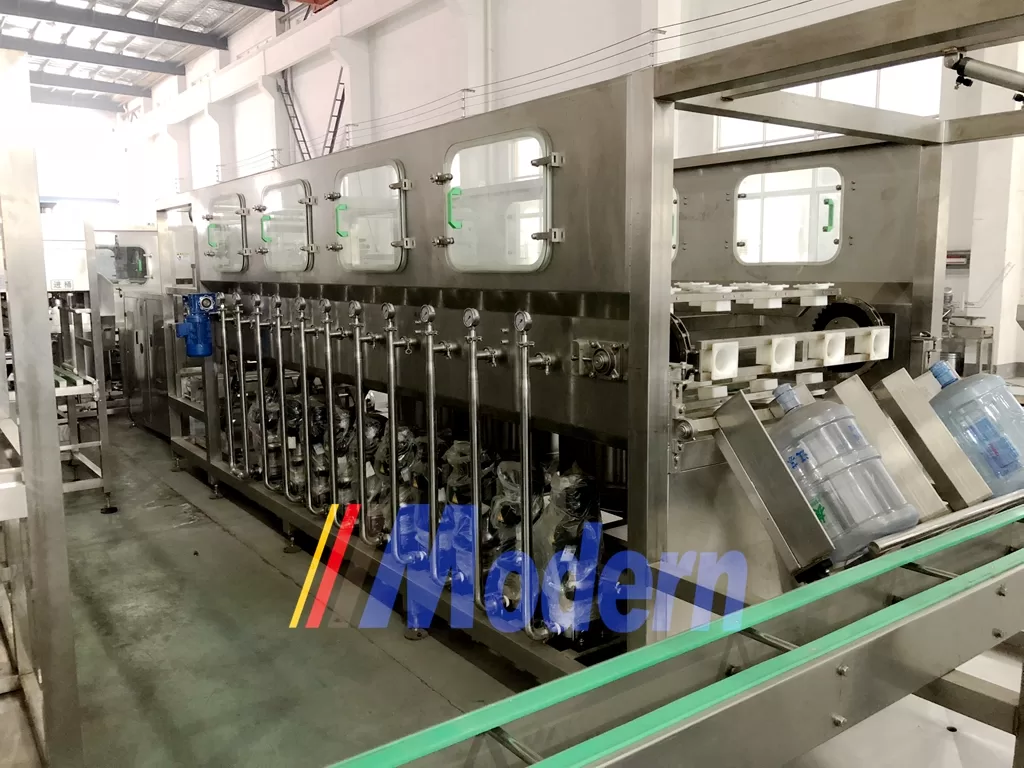
مع توجه المستهلكين نحو الشراء بالجملة والتغليف الصديق للبيئة، تزايدت الحاجة إلى المنتجات المعبأة في زجاجات سعة 1 جالون. وقد عزز هذا الاتجاه من أهمية امتلاك آلة تعبئة فعالة يمكنها العمل على نطاق واسع مع ضمان جودة المنتج. سواء في قطاع المياه أو العصائر أو غيرها من القطاعات السائلة، تعمل آلة التعبئة سعة 1 جالون على تحسين خطوط الإنتاج وتعزيز الإنتاجية التشغيلية.
أنواع آلات تعبئة الزجاجات سعة 1 جالون
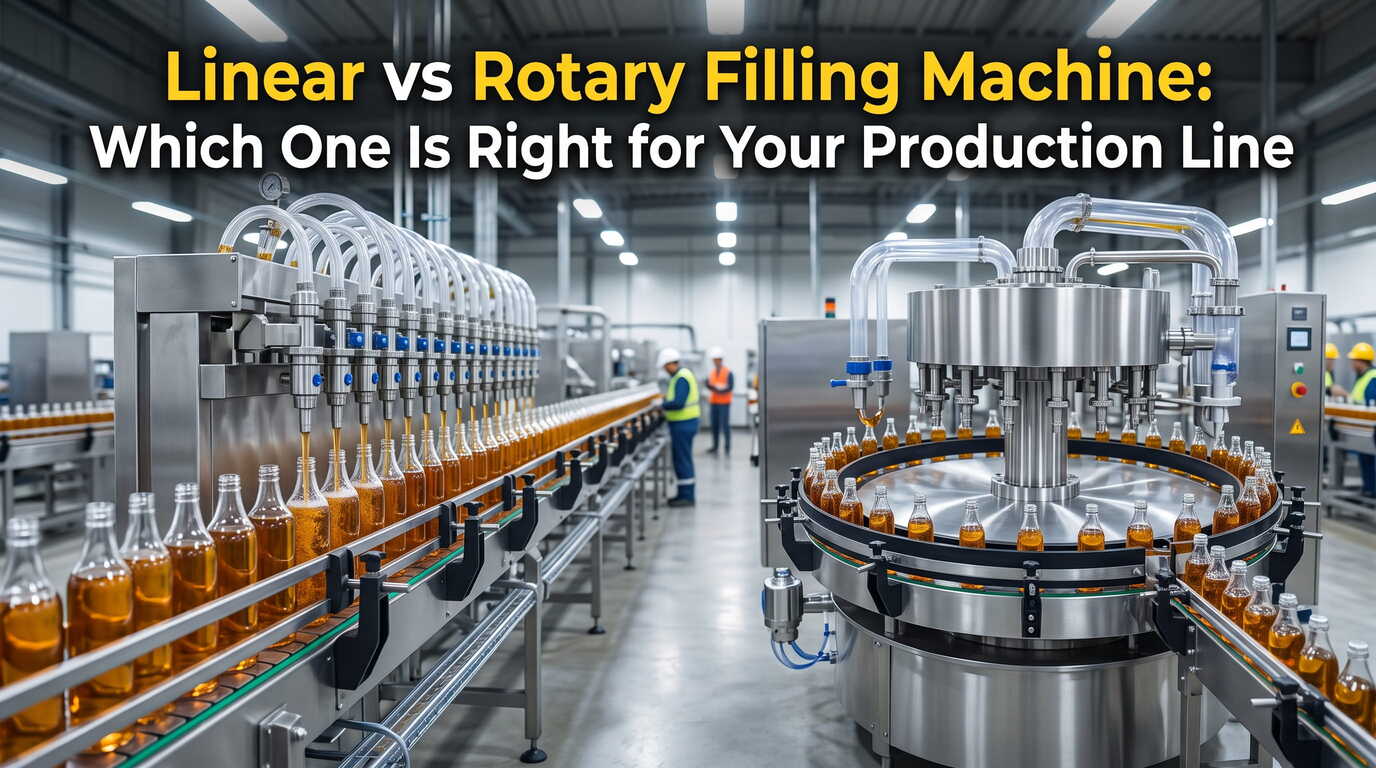
تأتي آلات تعبئة الزجاجات سعة 1 جالون في أنواع مختلفة، مصممة لتلبية احتياجات الصناعة المتميزة. يعد فهم هذه الأنواع أمراً بالغ الأهمية للشركات التي تتطلع إلى اختيار المعدات المناسبة.
1. آلات التعبئة بالجاذبية
تستخدم آلات التعبئة بالجاذبية قوة الجاذبية لملء الزجاجات بسرعة متساوية. ومع نزول الآلة، يتدفق السائل من خزان التخزين إلى الزجاجات. هذه الطريقة مثالية للمنتجات غير اللزجة، مثل الماء أو المشروبات الغازية. وعلى الرغم من أن آلات التعبئة بالجاذبية يمكن أن تكون فعالة من حيث التكلفة، إلا أنها تفتقر إلى الدقة المطلوبة للسوائل الأكثر كثافة.
2. آلات التعبئة بالتفريغ (الفراغ)
تعمل آلات التعبئة بالتفريغ (الفراغ) عن طريق إنشاء فراغ لسحب السائل إلى الزجاجة. تقلل هذه الطريقة من الانسكاب وتقلل من كمية الأكسجين المحبوسة في الزجاجة، وهو أمر بالغ الأهمية لمنتجات مثل العصائر الحساسة للأكسدة. تشتهر آلات التعبئة بالتفريغ بدقتها، مما يجعلها مثالية لتطبيقات المشروبات الراقية.
3. آلات التعبئة بالضغط
تعمل آلات التعبئة بالضغط عن طريق استخدام الضغط لملء الزجاجات بسرعة وكفاءة. هذه المعدات مفيدة بشكل خاص للمشروبات الغازية، حيث يعد الحفاظ على الكربنة أمراً ضرورياً. من خلال التعبئة تحت الضغط، تساعد هذه الآلات في ضمان بقاء المنتج سليماً والحفاظ على نكهته.
4. آلات التعبئة بالبريمة (Auger)
تُستخدم آلات التعبئة بالبريمة (Auger) بشكل أساسي للمنتجات المسحوقة ولكن يمكنها أيضاً استيعاب السوائل بتكوينات محددة. تستخدم هذه الآلات بريمة للتحكم في كمية السائل الذي يتم تعبئته، مما يوفر قياسات دقيقة. وعلى الرغم من أنها أقل شيوعاً لتطبيقات السوائل، إلا أنها قد تكون مناسبة لعمليات متخصصة.
الميزات الرئيسية التي يجب مراعاتها
عند اختيار آلة تعبئة الزجاجات سعة 1 جالون، يجب تقييم العديد من الميزات المهمة لضمان الأداء الأمثل.
1. السرعة والكفاءة
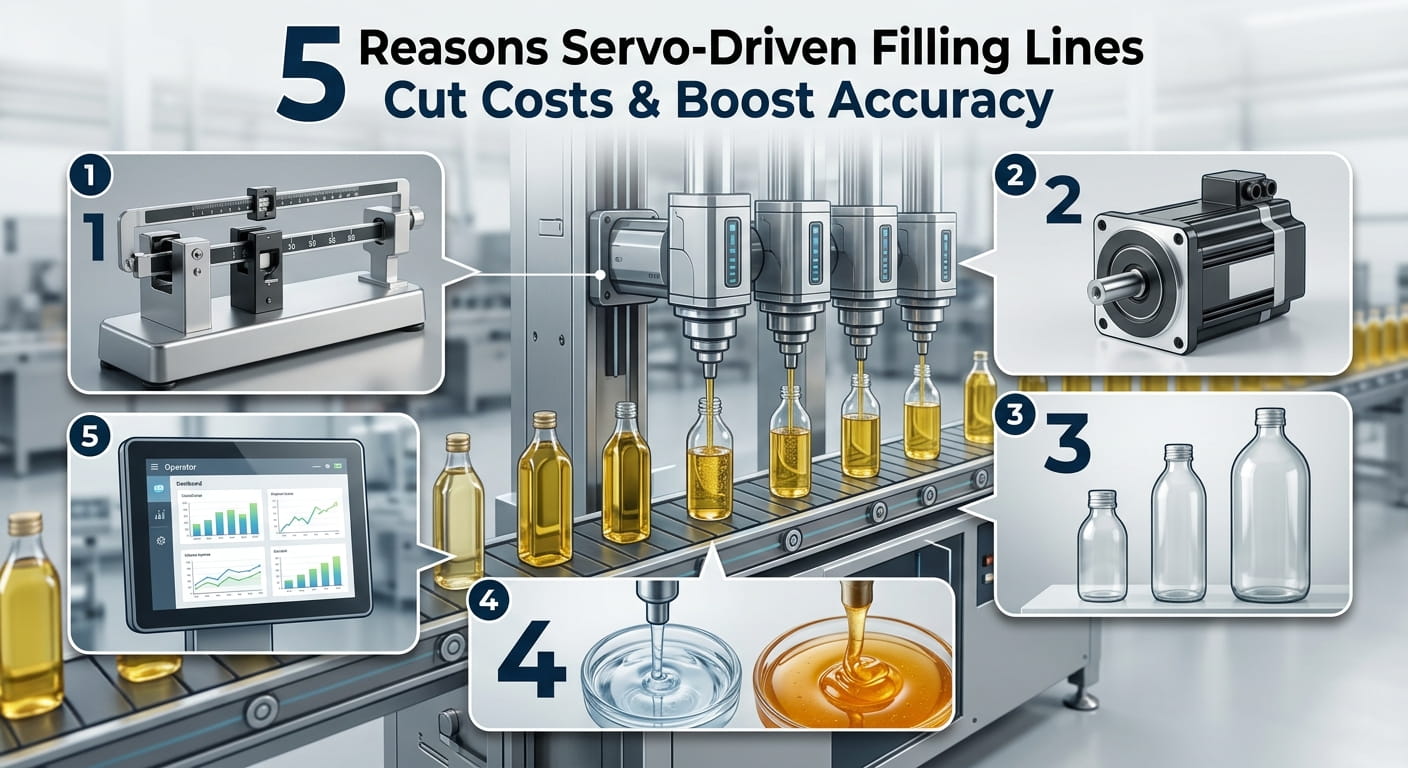
تعد الأتمتة أمراً حيوياً في سوق اليوم سريع الخطى. ابحث عن الآلات التي توفر سرعات تعبئة عالية مع الحفاظ على الدقة. إن الآلة القادرة على تعبئة عدة جالونات في الدقيقة ستعمل على تحسين كفاءة الإنتاج بشكل كبير وتقليل وقت التوقف عن العمل.
2. توافق المواد
تأكد من أن الآلة متوافقة مع نوع المنتج الذي يتم تعبئته. قد تتطلب المواد المختلفة آلات مصنوعة من أنواع معينة من الفولاذ المقاوم للصدأ أو البلاستيك لمنع التلوث والتآكل. هذا الاعتبار بالغ الأهمية بشكل خاص في قطاع الأغذية والمشروبات.
3. معايير النظافة
تتطلب لوائح سلامة الأغذية أن تلتزم آلات التعبئة بمعايير النظافة الصارمة. اختر الآلات المصممة لسهولة التنظيف، والتي غالباً ما تتميز بأسطح ملساء وشقوق قليلة. يمكن للأنظمة التي تسمح بالتفكيك السريع أن تعزز إجراءات التنظيف وتقلل من وقت توقف الإنتاج.
4. خيارات التخصيص
لكل شركة احتياجات فريدة بناءً على منتجاتها وعمليات التعبئة الخاصة بها. ابحث عن آلات ذات إعدادات قابلة للتعديل يمكنها استيعاب أحجام زجاجات مختلفة، وأحجام تعبئة متنوعة، وتعديلات في السرعة للسماح بالمرونة في الإنتاج.
الاعتبارات التشغيلية
يتضمن الاستثمار في آلة تعبئة الزجاجات سعة 1 جالون فهم ليس فقط الآلة نفسها، ولكن أيضاً كيفية ملاءمتها للإطار التشغيلي الأوسع لخط الإنتاج.
1. التدريب والدعم
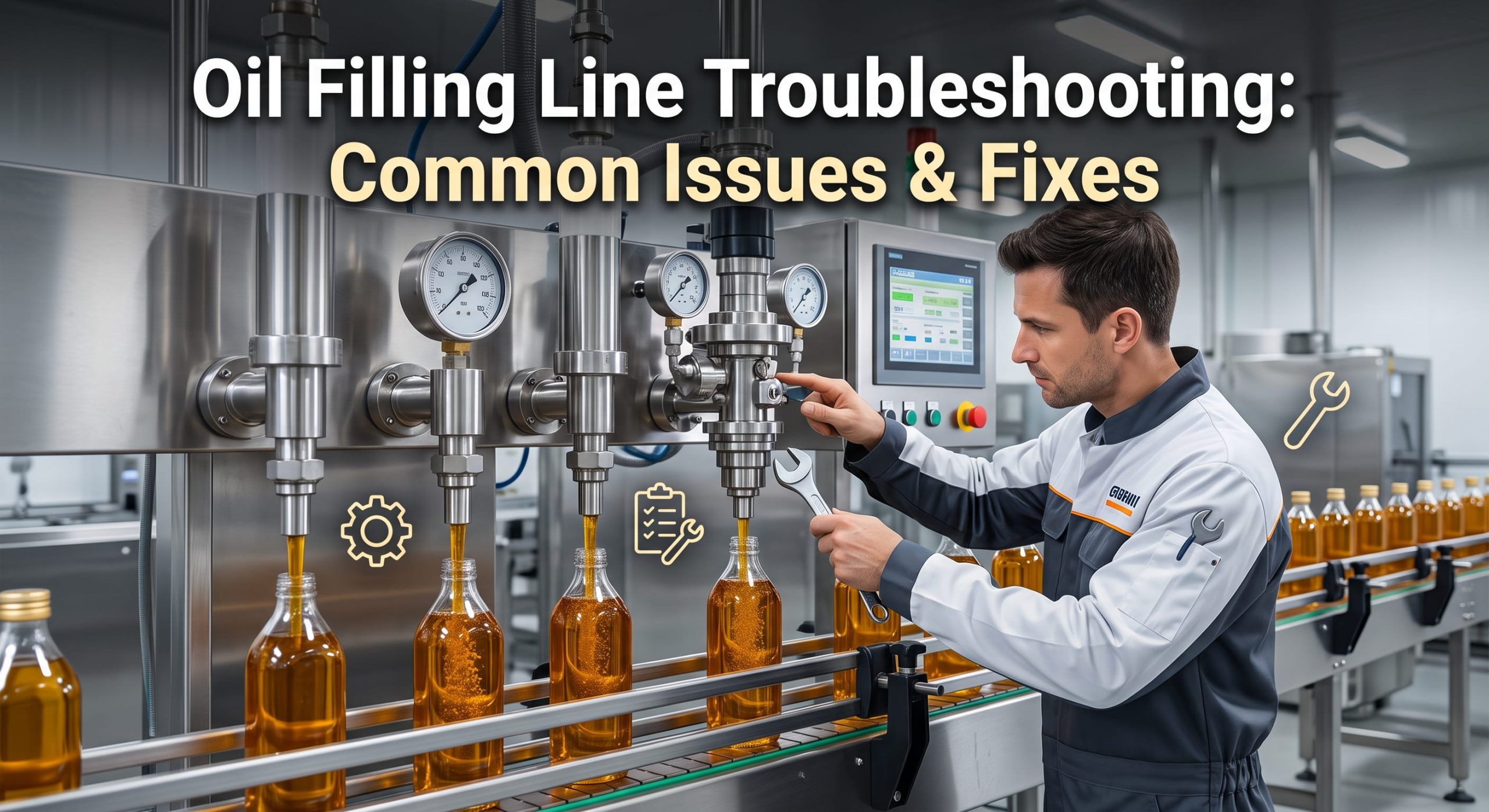
تأكد من حصول فريقك على تدريب كافٍ على الآلة الجديدة. إن فهم تشغيلها واستكشاف الأخطاء وإصلاحها سيزيد من الكفاءة ويقلل من وقت التوقف عن العمل. بالإضافة إلى ذلك، ضع في اعتبارك توفر الدعم الفني من المورد لأي مشكلات قد تنشأ.
2. ممارسات الصيانة
تعد الصيانة الدورية أمراً بالغ الأهمية لطول عمر آلة التعبئة. قم بتطوير روتين يتضمن التنظيف والفحص والتحقق الميكانيكي لمنع الأعطال. سيوفر هذا النهج الاستباقي التكاليف ويضمن عملية تعبئة متسقة.
3. الامتثال للوائح
تخضع صناعة الأغذية والمشروبات لرقابة شديدة. تأكد من أن أي آلة تعبئة تفكر فيها تتوافق مع معايير السلامة والجودة المحلية والوطنية والدولية. إن الالتزام لا يحمي المستهلكين فحسب، بل يعزز أيضاً سمعة العلامة التجارية.
اتجاهات السوق التي تؤثر على تكنولوجيا آلات التعبئة
مع تطور صناعة المشروبات، هناك العديد من الاتجاهات التي تشكل مستقبل آلات تعبئة الزجاجات سعة 1 جالون.
1. حلول صديقة للبيئة
مع تزايد وعي المجتمع بالبيئة، هناك طلب متزايد على الآلات التي يمكنها استيعاب المواد القابلة لإعادة التدوير وتقليل النفايات. وقد دفع هذا الاتجاه المصنعين إلى الابتكار وتطوير خيارات تعبئة أكثر استدامة.
2. تكامل إنترنت الأشياء (IoT)
أثر ظهور إنترنت الأشياء (IoT) على كيفية عمل آلات التعبئة. توفر الآلات الذكية المجهزة بأجهزة استشعار مراقبة البيانات في الوقت الفعلي، مما يسمح بإشراف أفضل على عمليات التعبئة. يساعد هذا التكامل في اكتشاف الأخطاء مبكراً وتحسين كفاءة الإنتاج.
3. التخصيص وتفريد المنتجات
يفضل مستهلكو اليوم المنتجات الفريدة والمتنوعة. أصبحت الآلات التي يمكنها التبديل بسهولة بين المنتجات المختلفة أو التكيف مع تغيرات طلب السوق تحظى بشعبية متزايدة. يمكن أن تساعد هذه المرونة الشركات على البقاء قادرة على المنافسة في سوق مزدحم.
الخلاصة: اتخاذ القرار الصحيح
يعد الاستثمار في آلة تعبئة الزجاجات سعة 1 جالون قراراً مهماً يمكن أن يؤثر بشكل كبير على أعمال تصنيع المشروبات. من خلال فهم أنواع الآلات المتاحة، وتقييم الميزات الرئيسية، والنظر في الممارسات التشغيلية، يمكن للشركات اتخاذ قرارات مستنيرة تتماشى مع أهداف الإنتاج الخاصة بها. بالإضافة إلى ذلك، فإن البقاء على اطلاع باتجاهات السوق والابتكارات سيضمن بقاء المعدات ذات صلة وفعالة على المدى الطويل. إن آلة التعبئة المختارة بعناية لا تعزز الإنتاجية فحسب، بل تعكس أيضاً الالتزام بالجودة ورضا العملاء.