
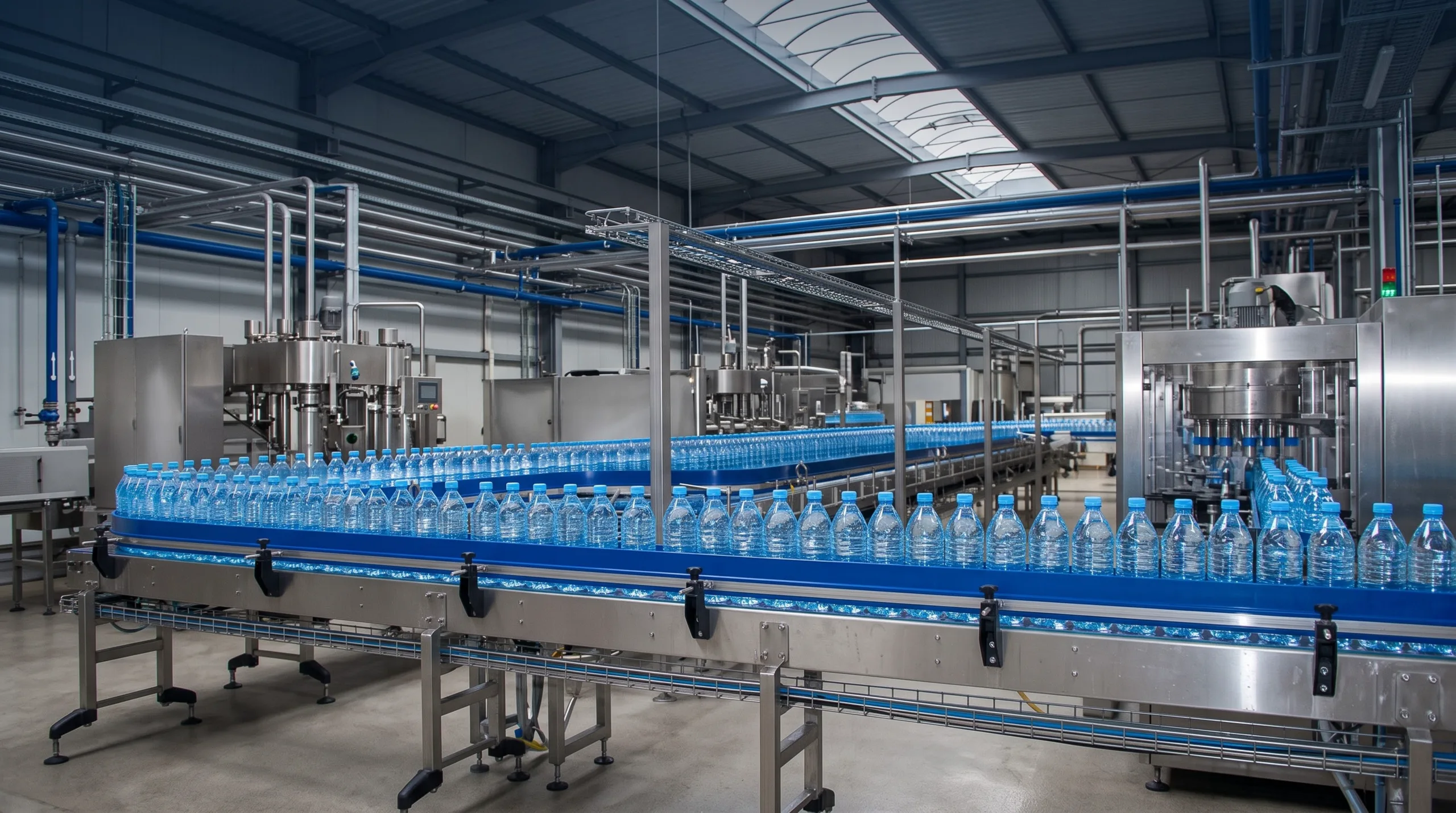
محطة تعبئة المياه
توفر Modern Machinery محطات تعبئة مياه متكاملة لزجاجات PET بأحجام تتراوح من 200 مل إلى 2 لتر، وعبوات 5-10 لتر، وعبوات 5 جالون. يقوم خط الإنتاج بتعبئة المياه المعدنية، والمياه النقية، والمياه الغازية. يضمن نظام المونوبلوك (3 في 1) للغسيل والتعبئة والإغلاق تعبئة صحية مع ميزة الحماية في حال عدم وجود زجاجة. تشمل المحطة معالجة المياه، ونفخ الزجاجات، والتعبئة، ووضع الملصقات، والتغليف بالانكماش الحراري، وتغليف المنصات.
ما هي محطة تعبئة المياه؟
محطة تعبئة المياه هي نظام إنتاج متكامل يقوم بمعالجة وتعبئة وإغلاق ووضع ملصقات وتغليف مياه الشرب في زجاجات PET أو عبوات مخصصة للتوزيع بالتجزئة والجملة.
تصمم Modern Machinery محطات تعبئة المياه لثلاث فئات من الحاويات: زجاجات PET الصغيرة (200 مل إلى 2 لتر)، والحاويات المتوسطة (5-10 لتر)، وعبوات 5 جالون.
يستخدم قسم التعبئة وحدة أحادية (monobloc) 3 في 1 تقوم بالشطف والتعبئة والإغلاق في دورة دوارة مستمرة. يقوم جهاز الشطف بقلب كل زجاجة رأسًا على عقب ورش المياه النقية أو الهواء المعقم لإزالة الغبار. يستخدم جهاز التعبئة الجاذبية أو الضغط الدقيق لتعبئة المياه الساكنة، ويتضمن خيار الضغط المتساوي للمياه الغازية. يقوم جهاز الإغلاق بتركيب الأغطية اللولبية أو الأغطية بالضغط. تتضمن المحطة الكاملة نظام معالجة مياه في المرحلة الأولية ومعدات تغليف في المرحلة النهائية.
تسمح قطع الغيار سريعة التغيير للخط بالتبديل بين أحجام الزجاجات وأنواع الحاويات في أقل من 60 دقيقة.
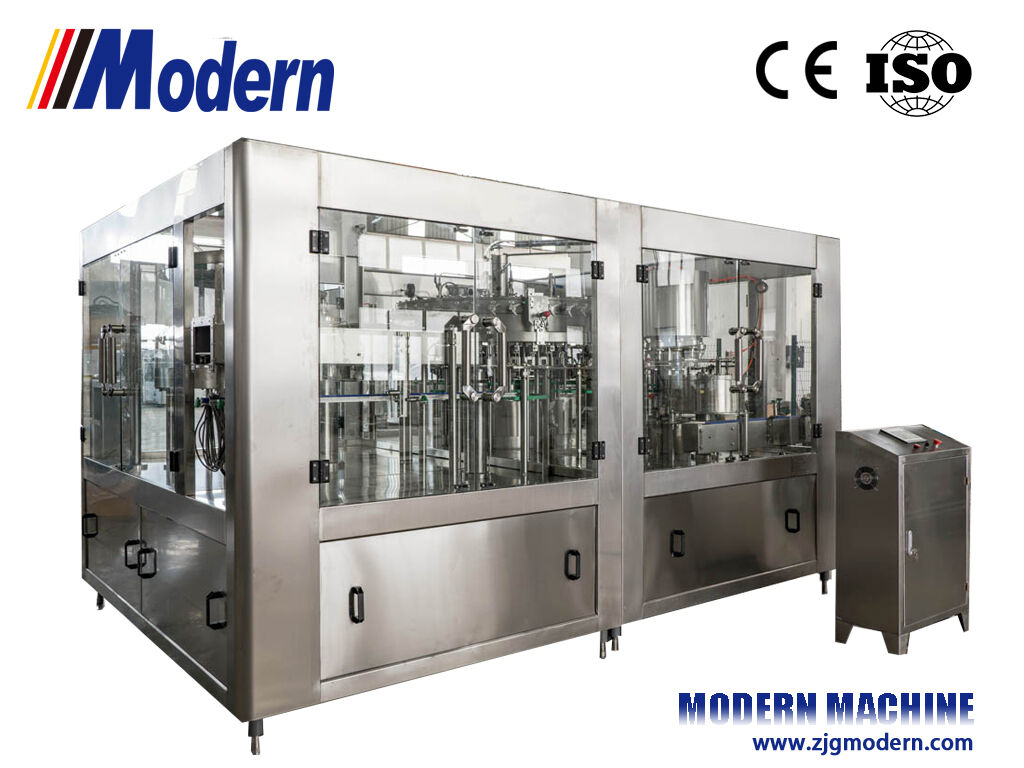
مخطط محطة تعبئة المياه – 8 آلات متسلسلة
يوضح الرسم أدناه الترتيب القياسي لمحطة تعبئة المياه من Modern Machinery. تغذي كل آلة الآلة التالية عبر سير ناقل.
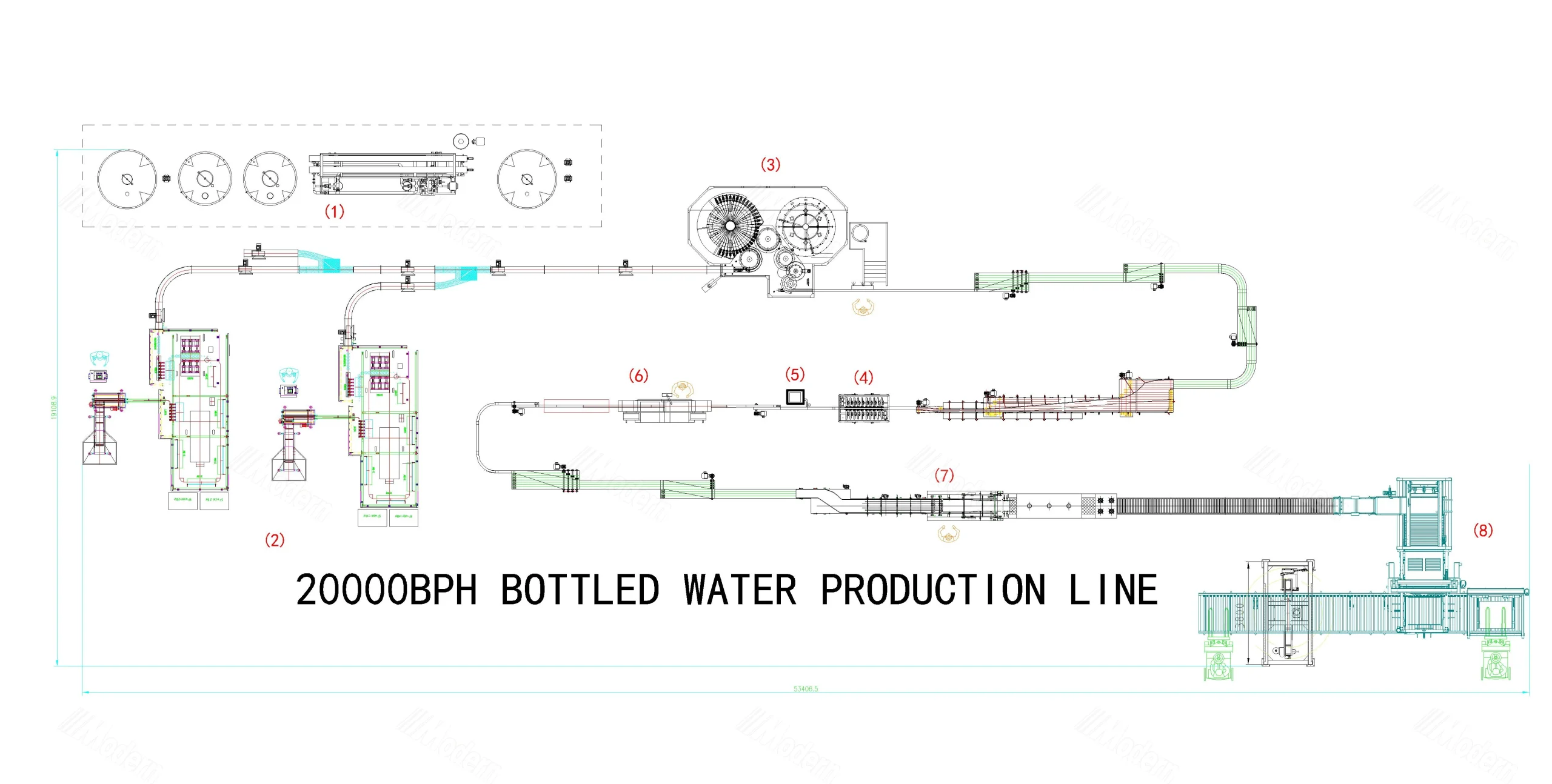
الآلات الرئيسية في محطة تعبئة المياه
نظام معالجة المياه
آلة نفخ زجاجات PET
آلة تعبئة المياه 3 في 1
مجفف الهواء
طابعة نافثة للحبر
آلة وضع ملصقات الانكماش الحراري الأوتوماتيكية
آلة التغليف بالانكماش الخطية
آلة رص المنصات الأوتوماتيكية
المواصفات الرئيسية لمحطة تعبئة المياه الخاصة بك
قدم هذه المعايير لفريقنا الهندسي. سنقوم بتحديد حجم المحطة لتتناسب مع مصدر المياه الخاص بك، وشكل الزجاجة، وأهداف الإنتاج اليومية.
| نوع المنتج | مياه معدنية، مياه نقية، مياه غازية، ومياه شرب. |
|---|---|
| تنسيقات العبوات | زجاجات PET (200 مل إلى 2 لتر)، عبوات PET (5-10 لتر)، وعبوات 5 جالون. |
| نطاق قطر الزجاجة | 50 مم إلى 120 مم (حسب نوع الحاوية). |
| نطاق ارتفاع الزجاجة | 100 مم إلى 500 مم (حسب نوع الحاوية). |
| سعة الإنتاج (الزجاجات الصغيرة) | 2,000 إلى 18,000 زجاجة في الساعة، حسب الموديل وحجم الزجاجة. |
| سعة الإنتاج (5 جالون) | 300 زجاجة في الساعة (موديل QGF-300). |
| طريقة التعبئة | تعبئة بالجاذبية (مياه ساكنة) أو تعبئة بالضغط الدقيق (مياه ساكنة). تتوفر تعبئة متساوية الضغط للمياه الغازية. |
| دقة التعبئة | ± 1.0 مل لكل زجاجة (حسب حجم الزجاجة وحجم التعبئة). |
| وسط الشطف | مياه نقية أو هواء معقم. |
| أنواع الأغطية | أغطية لولبية، أغطية ضغط، وأغطية كبس. |
| مكونات معالجة المياه | مرشح متعدد الوسائط، مرشح الكربون المنشط، نظام التناضح العكسي (RO)، مولد الأوزون، معقم الأشعة فوق البنفسجية، وخزان تخزين المياه النقية. |
| معايير الجودة | متوافق مع لوائح إدارة الغذاء والدواء (FDA) الخاصة بملامسة الأغذية. تتوفر وثائق ISO 22000 وHACCP الاختيارية عند الطلب. |
| مادة الأجزاء الملامسة للمنتج | فولاذ مقاوم للصدأ 304 و316. جميع الأسطح الملامسة للأغذية تلبي معايير FDA. |
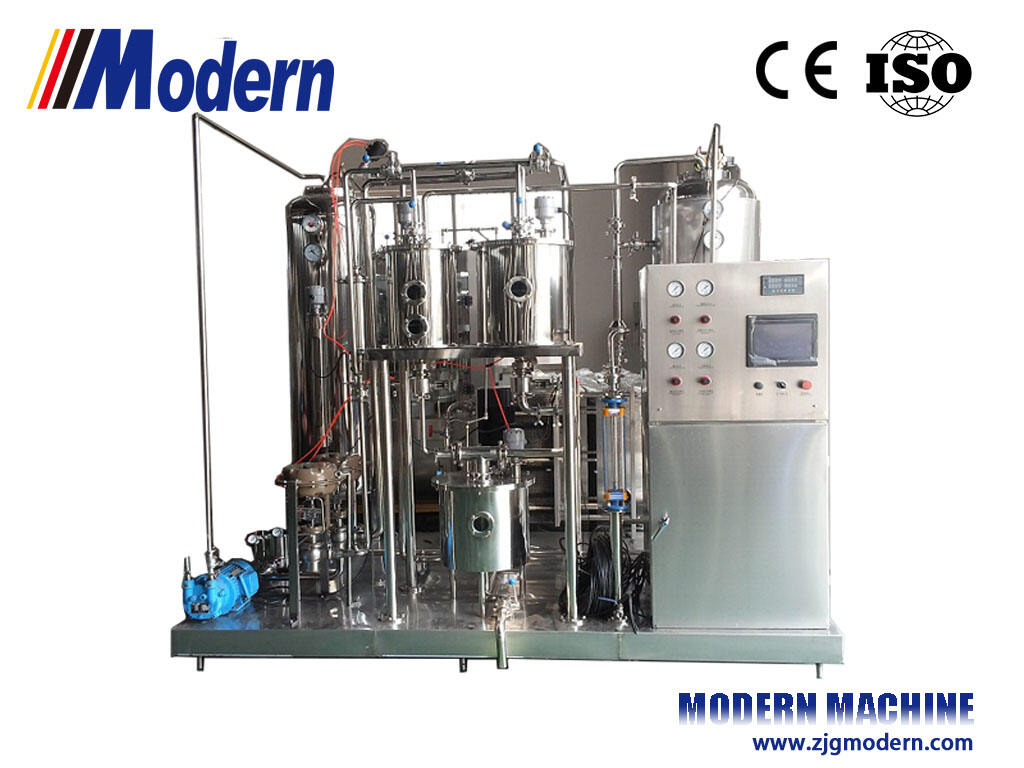
مميزات آلة تعبئة المياه 3 في 1
تتشارك الوظائف الثلاث (الغسيل، التعبئة، والإغلاق) في إطار واحد ومجموعة واحدة من عجلات النجوم. يقلل هذا التصميم من مساحة الأرضية بنسبة 30% تقريبًا مقارنة بالآلات المنفصلة ويقلل من نقاط نقل السيور، مما يقلل من مخاطر التلوث.
يقوم جهاز الغسيل بقلب كل زجاجة رأسًا على عقب. تقوم فوهات الرش بحقن المياه النقية أو الهواء المعقم داخل الزجاجة. تزيل هذه الخطوة الغبار والجزيئات والمواد المتبقية قبل التعبئة. يأتي وسط الغسيل من نظام معالجة المياه في المصنع.
تستخدم آلة التعبئة الجاذبية أو الضغط المنخفض للمياه الساكنة. يتدفق السائل من خزان مرتفع إلى الزجاجة. بالنسبة للمياه الغازية، تستخدم الآلة التعبئة متساوية الضغط للحفاظ على ثاني أكسيد الكربون في السائل ومنع تكون الرغوة.
يحتوي كل موضع تعبئة على مستشعر تقارب. يتحقق المستشعر من وجود زجاجة قبل فتح الصمام. إذا كانت الزجاجة مفقودة، يظل الصمام مغلقًا. يمنع هذا الإجراء انسكاب المياه ويقلل من هدر المنتج.
تطبق وحدة الإغلاق أغطية لولبية أو أغطية ضغط. تتحكم الآلة في عزم دوران الإغلاق لضمان إحكام الغلق بشكل ثابت. يمنع هذا التصميم التسرب وتلف الغطاء أثناء النقل.
توفر Modern Machinery أطقم تغيير لأقطار وارتفاعات الزجاجات المختلفة. يقوم المشغلون بتبديل ماسكات الزجاجات، وعجلات النجوم، وفوهات التعبئة، ورؤوس الإغلاق. يستغرق التغيير الكامل أقل من 60 دقيقة.
تستخدم جميع الأجزاء الملامسة للمنتج الفولاذ المقاوم للصدأ 304 و316. تقاوم هذه المواد الصدأ والتآكل. كما يدعم التصميم دورات التنظيف في المكان (CIP) بين دورات الإنتاج.
تتصل آلة التعبئة مباشرة بآلة نفخ PET عبر سير هوائي. تنتقل الزجاجات من النفخ إلى التعبئة دون مناولة يدوية. يقلل هذا التكامل من العمالة ويحافظ على نظافة الزجاجات قبل التعبئة.
سير عمل المشروع من التركيبة إلى التركيب
مصدر المياه ومواصفات الزجاجة
تقوم Modern Machinery باختبار مصدر المياه الخاص بك لتصميم نظام المعالجة. كما نراجع تنسيق الزجاجة (الحجم، الشكل، فتحة العنق)، ونوع الغطاء، وهدف الإنتاج اليومي. نؤكد طريقة التعبئة: الجاذبية، أو الضغط المنخفض، أو الضغط المتساوي.
تخطيط تصميم المصنع
يقوم قسم التصميم بمساعدة الحاسوب (CAD) لدينا بصياغة تخطيط المصنع. يحدد الرسم مواضع الآلات السبعة، وأطوال السيور، وتوصيلات المرافق (الهواء المضغوط، الطاقة الكهربائية، إمدادات المياه، والصرف).
التجميع واختبار القبول في المصنع (FAT)
نقوم بتجميع المصنع في مصنعنا. ندعوك لتشغيل زجاجاتك وعينات المياه الفعلية. أثناء اختبار FAT، نقيس دقة التعبئة، وعزم دوران الغطاء، وموضع الملصق، وسرعة الخط الإجمالية.
التركيب والتدريب
يتولى فريق الخدمة الميدانية لدينا الإعداد الميكانيكي والتوصيل الكهربائي في موقعك. ثم نقوم بتشغيل المصنع، ومعايرة نظام معالجة المياه، وتدريب المشغلين، وتوفير وثائق الصيانة.
فيديوهات حقيقية لمصنع تعبئة المياه
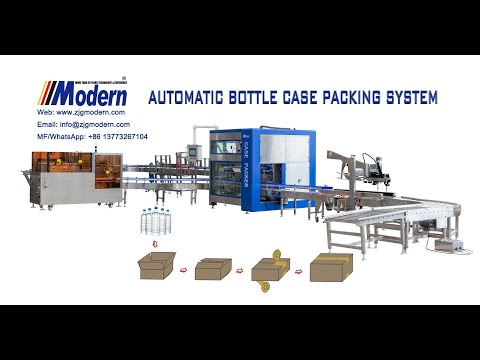
آلة تعبئة الكرتون للمواد الكيميائية في أستراليا
نظام أوتوماتيكي لتشكيل الكراتين، وتعبئة الزجاجات، وإغلاق الكراتين تم تطويره لمشروع سوائل كيميائية في أستراليا. يتعامل هذا النظام المصنوع من الفولاذ المقاوم للصدأ SS316 مع زجاجات HDPE سعة 5 لتر، ويكمل عمليات تشكيل الكرتون، وتعبئة الزجاجات، وإغلاق الكراتين بسرعة 14 كرتونة في الدقيقة.

آلة وضع الملصقات OPP عالية السرعة
آلة وضع ملصقات دوارة عالية السرعة تعمل بالغراء الساخن (OPP) لزجاجات مياه PET سعة 500 مل.

آلة نفخ زجاجات PET
آلة نفخ زجاجات PET أوتوماتيكية ذات ستة تجاويف لإنتاج زجاجات المشروبات سعة 500 مل بمعدل 8,000 زجاجة في الساعة.
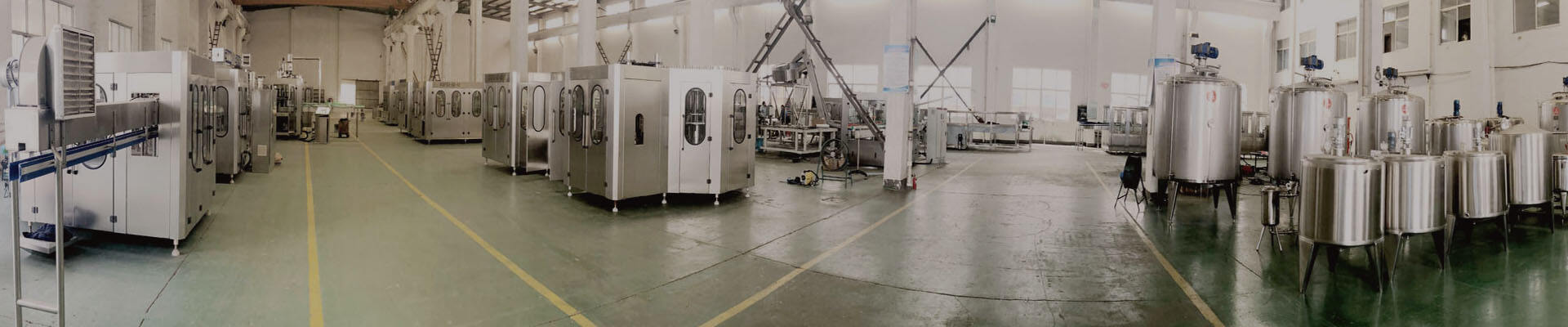
استكشف مشاريع مصانع تعبئة المياه لدينا
اختر مصنع المياه الخاص بك حسب حجم العبوة، والإنتاج، ونوع المياه
حسب حجم العبوة
- زجاجات PET سعة 200 مل – 2 لتر – قياسية للمياه المعبأة للبيع بالتجزئة بحجم فردي أو عائلي. مناسبة للمتاجر الكبرى، والمتاجر الصغيرة، وآلات البيع.
- عبوات PET سعة 5–10 لتر – عبوات متوسطة لموزعات مياه المكاتب وخدمات الطعام.
- عبوات 5 جالون – عبوات كبيرة للتوصيل للمنازل والمكاتب. يستخدم سوق الـ 5 جالون خطوط تعبئة مخصصة بسرعات أقل (300 عبوة في الساعة). غالبًا ما يتم إعادة استخدام عبوات 5 جالون عدة مرات. يتطلب الخط غسيلًا أقوى، وفرشاة خارجية، وكشفًا عن التسرب مقارنة بخطوط زجاجات PET ذات الاستخدام الواحد. تتضمن سلسلة QGF من Modern Machinery محطات غسيل مخصصة مع دورات شطف ممتدة.
حسب الإنتاج بالساعة
- CGF 8-8-3 – 8 رؤوس غسيل، 8 رؤوس تعبئة، 3 رؤوس إغلاق – السعة: 2,000 عبوة في الساعة
- CGF 12-12-6 – 12 رأس غسيل، 12 رأس تعبئة، 6 رؤوس إغلاق – السعة: 3,000–5,000 عبوة في الساعة
- CGF 18-18-6 – 18 رأس غسيل، 18 رأس تعبئة، 6 رؤوس إغلاق – السعة: 5,000–8,000 عبوة في الساعة
- CGF 24-24-8 – 24 رأس غسيل، 24 رأس تعبئة، 8 رؤوس إغلاق – السعة: 8,000–12,000 زجاجة في الساعة
- CGF 32-32-10 – 32 رأس غسيل، 32 رأس تعبئة، 10 رؤوس إغلاق – السعة: 12,000–15,000 زجاجة في الساعة
- CGF 40-40-12 – 40 رأس غسيل، 40 رأس تعبئة، 12 رأس إغلاق – السعة: 15,000–18,000 زجاجة في الساعة
- بالنسبة لعبوات الـ 5 جالون، توفر Modern Machinery طراز QGF-300 بسعة 300 زجاجة في الساعة.
توازن الإنتاج
- إذا اخترت آلة تعبئة CGF 32-32-10 بسعة 15,000 زجاجة في الساعة، يجب أن يوفر نظام معالجة المياه ما لا يقل عن 15,000 لتر في الساعة (بافتراض 1 لتر لكل زجاجة).
- يجب أن تنتج آلة نفخ زجاجات PET 15,000 زجاجة في الساعة.
- يجب أن تتعامل آلة التغليف بالانكماش (Shrink Wrapper) وآلة تغليف المنصات مع 15,000 زجاجة في الساعة.
حسب نوع المياه
- المياه المعدنية – تتطلب معالجة تحافظ على المعادن الطبيعية. استخدم التناضح العكسي (RO) مع إضافة المعادن.
- المياه المنقاة – تتطلب معالجة كاملة: ترشيح، تناضح عكسي، أوزون، وأشعة فوق بنفسجية.
- المياه الغازية – تتطلب تعبئة متساوية الضغط ووحدة كربنة (مشبع) لحقن ثاني أكسيد الكربون.
الأسئلة الشائعة
ما الفرق بين المياه المعدنية والمياه المنقاة في مصنع تعبئة المياه؟
تأتي المياه المعدنية من مصدر جوفي محمي وتحتوي على معادن طبيعية. يستخدم نظام معالجة المياه المعدنية حداً أدنى من الترشيح للحفاظ على هذه المعادن. أما المياه المنقاة فتأتي من أي مصدر وتخضع لمعالجة كاملة: ترشيح، تناضح عكسي (RO)، وتطهير. تزيل عملية التناضح العكسي جميع المواد الصلبة الذائبة، بما في ذلك المعادن. ثم يقوم مصنع التعبئة بإعادة إضافة معادن مختارة للمذاق إذا لزم الأمر.
ما الذي يتضمنه نظام معالجة المياه؟
يتضمن نظام معالجة المياه القياسي المكونات التالية بالترتيب:
فلتر متعدد الوسائط – يزيل المواد الصلبة العالقة والرواسب.
فلتر الكربون المنشط – يزيل الكلور والروائح والمركبات العضوية.
نظام التناضح العكسي (RO) – يزيل المواد الصلبة الذائبة والمعادن الثقيلة والكائنات الحية الدقيقة.
مولد الأوزون – يحقن الأوزون لقتل البكتيريا والفيروسات.
جهاز التعقيم بالأشعة فوق البنفسجية (UV) – يوفر تطهيرًا نهائيًا قبل التعبئة.
خزان تخزين المياه النقية – يخزن المياه المعالجة لآلة التعبئة.
هل أحتاج إلى آلة نفخ زجاجات PET، أم يمكنني شراء زجاجات جاهزة؟
يمكنك اختيار أي من الخيارين. إذا اشتريت زجاجات جاهزة، فلن تحتاج إلى آلة نفخ. يبدأ مصنعك بآلة تفريغ المنصات أو آلة الترتيب. إذا كنت تنتج زجاجاتك الخاصة، تأخذ آلة النفخ قوالب PET الأولية (Preforms) وتنفخها لتصبح زجاجات نهائية. يقلل النفخ في الموقع من مساحة تخزين الزجاجات الفارغة ويخفض تكاليف النقل. تختار العديد من المصانع المتوسطة والكبيرة النفخ الداخلي لتحقيق هذه الوفورات.
ما الفرق بين آلة التعبئة 3 في 1 والآلات المنفصلة؟
تدمج آلة التعبئة 3 في 1 عمليات الغسيل والتعبئة والإغلاق في برج دوار واحد. أما الآلات المنفصلة فتمتلك كل وظيفة على إطار مختلف مع وجود سيور ناقلة بينها. يوفر تصميم 3 في 1 مساحة الأرضية، ويقلل من طول السيور الناقلة، ويقلل من خطر التلوث بين المحطات. كما أنها تتطلب عدداً أقل من المشغلين. توفر الآلات المنفصلة مرونة أكبر للتكوينات المخصصة ولكنها تشغل مساحة أكبر.
هل يمكن لنفس الخط التعامل مع الزجاجات الصغيرة وعبوات الـ 5 جالون؟
ليس في نفس اليوم. تستخدم الزجاجات الصغيرة (200 مل – 2 لتر) وعبوات الـ 5 جالون رؤوس تعبئة وقبضات وعروض سيور ناقلة مختلفة. لا يمكن لخط مصمم للزجاجات الصغيرة تعبئة العبوات الكبيرة دون تغيير جذري. نوصي بخط مخصص لكل فئة من الحاويات. إذا كنت بحاجة إلى كليهما، يمكننا تصميم قسمي تعبئة منفصلين يشتركان في نظام معالجة المياه.
كيف تعمل آلة وضع الملصقات المنكمشة (Shrink Sleeve) مع آلة التغليف بالانكماش؟
تقوم آلة وضع الملصقات المنكمشة بقطع ملصق مطبوع مسبقاً من لفة ووضعه فوق الزجاجة. ثم تتحرك الزجاجة عبر نفق حراري يقوم بإنكماش الملصق بإحكام على السطح. بعد وضع الملصقات، تنتقل الزجاجات إلى آلة التغليف بالانكماش. تقوم الآلة بتجميع الزجاجات في أنماط حزم، وتغليفها بفيلم PE، وتطبيق الحرارة لإنكماش الفيلم. تخدم الآلتان أغراضاً مختلفة: إحداهما تضع الملصقات على الزجاجات الفردية، والأخرى تجمع الزجاجات في حزم متعددة.
ما هي معالجة الأوزون ولماذا تُستخدم في تعبئة المياه؟
الأوزون (O₃) هو مطهر طبيعي. يقوم مولد الأوزون بحقن غاز الأوزون في الماء. يقتل الأوزون البكتيريا والفيروسات والأوليات عن طريق أكسدة جدران خلاياها. على عكس الكلور، لا يترك الأوزون أي بقايا كيميائية أو طعم في الماء. إنه يتحلل إلى أكسجين في غضون دقائق. يستخدم العديد من مصانع التعبئة الأوزون كخطوة تطهير نهائية قبل التعبئة لضمان بقاء المياه آمنة أثناء التخزين.