
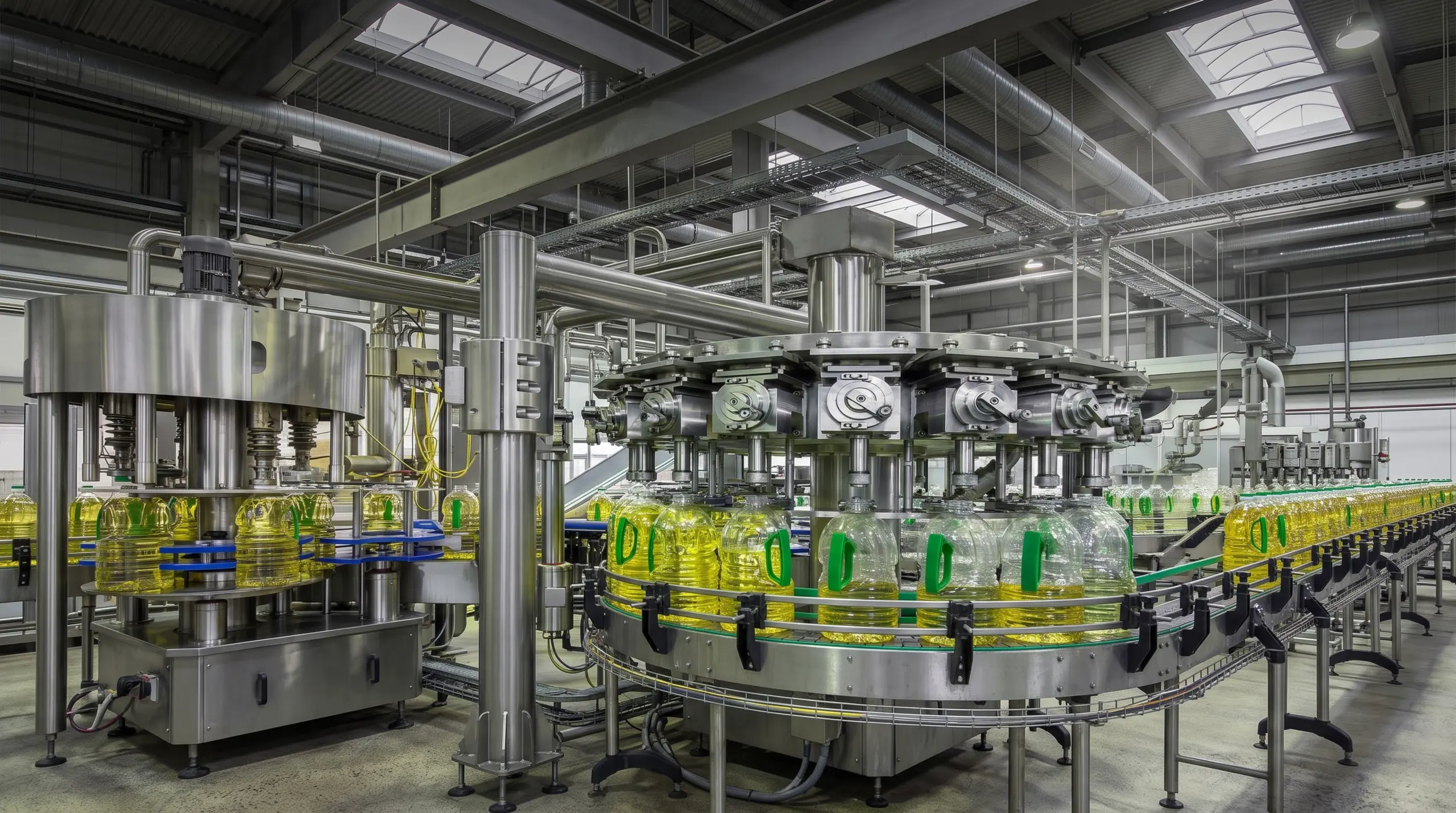
خط تعبئة زيت الطعام
توفر Modern Machinery خطوط تعبئة زيت الطعام لزيت الزيتون، وزيت الطهي، والزيوت النباتية. تتيح المستشعرات عالية الدقة ميزة الوزن الديناميكي عبر الإنترنت أثناء دورة التعبئة. توفر هذه التقنية دقة عالية في التعبئة بغض النظر عن التغيرات في الرغوة أو درجة الحرارة أو الكثافة. يدعم الخط الزجاجات الزجاجية وعبوات PET بأحجام تتراوح من 250 مل إلى 5 لتر.
ما هو خط تعبئة زيت الطعام
خط تعبئة زيت الطعام هو نظام إنتاج يقوم بتعبئة وإغلاق ووضع ملصقات وتغليف زيت الطهي أو زيت الزيتون أو الزيت النباتي في زجاجات زجاجية أو عبوات PET للتوزيع بالتجزئة والجملة.
تصمم Modern Machinery خطوط زيت الطعام بتقنيات تعبئة متعددة في آلة واحدة. يدعم النظام التعبئة بالصمامات الميكانيكية، والتعبئة بالصمامات الحجمية، والتعبئة بصمامات مقياس التدفق. تتيح خلايا التحميل عالية الدقة ميزة الوزن الديناميكي عبر الإنترنت. تقوم الآلة بوزن كل زجاجة أثناء حركة التعبئة. تلغي هذه الطريقة تأثير الرغوة ودرجة الحرارة وكثافة الزيت على حجم التعبئة. والنتيجة هي دقة تعبئة ثابتة في كل زجاجة. يتعامل الخط مع أحجام زجاجات من 250 مل إلى 5 لتر. ويعمل مع كل من الزجاجات الزجاجية وعبوات PET. تتيح الأجزاء سريعة التغيير الانتقال السريع بين تنسيقات الزجاجات المختلفة.
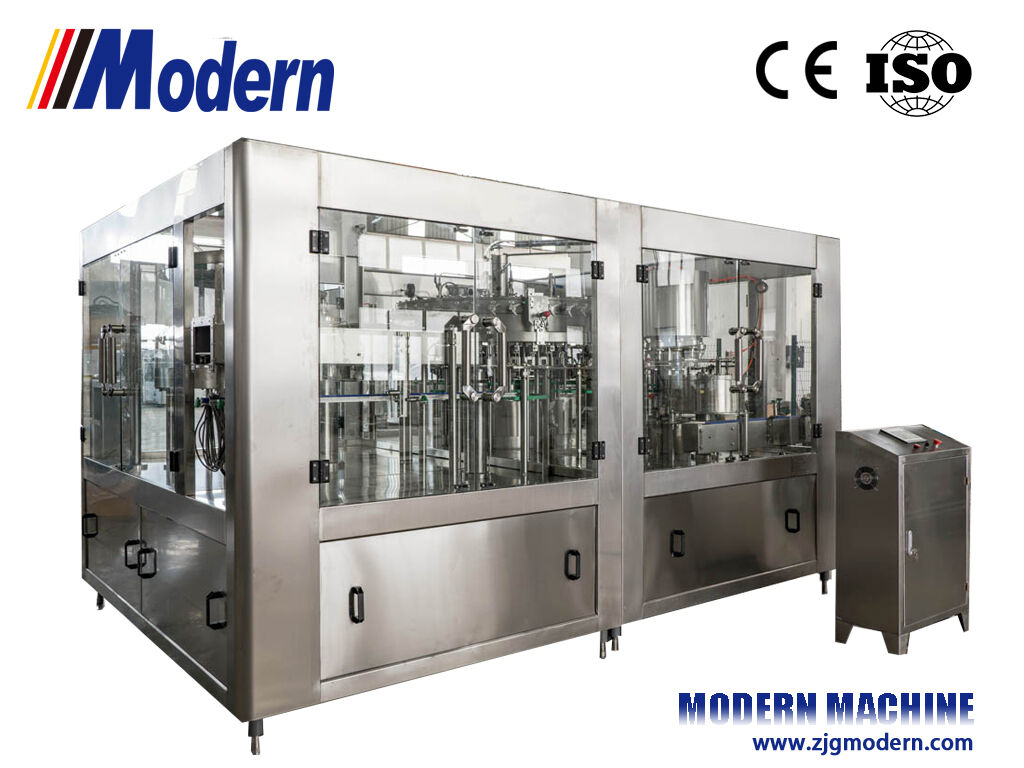
مخطط خط تعبئة زيت الطعام – 10 آلات متتالية
يوضح الرسم أدناه الترتيب القياسي لخط تعبئة زيت الطعام من Modern Machinery. تغذي كل آلة الآلة التالية عبر سير ناقل.
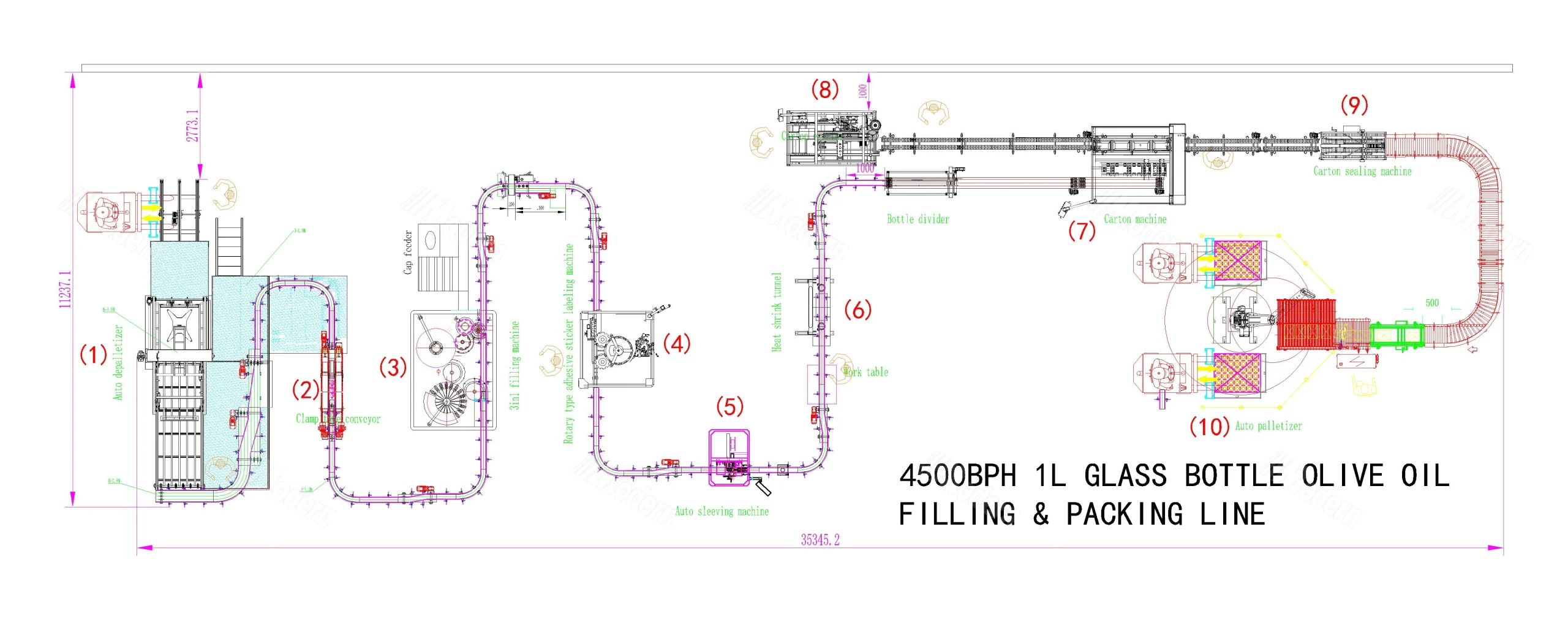
الآلات الرئيسية في خط إنتاج الزيت
جهاز تفريغ الزجاجات الفارغة من المنصات
سير ناقل بمشابك
آلة تعبئة زيت الطعام
آلة وضع الملصقات ذاتية اللصق الدوارة
آلة التغليف بالانكماش الحراري الأوتوماتيكية
نفق الانكماش الحراري الكهربائي
آلة تعبئة الصناديق الأوتوماتيكية
آلة تشكيل الكرتون الأوتوماتيكية
آلة أوتوماتيكية لإغلاق الكراتين
آلة رص المنصات الروبوتية الأوتوماتيكية
المواصفات الرئيسية لخط زيت الطعام الخاص بك
قدم هذه المعايير لفريقنا الهندسي. سنقوم بتحديد حجم الخط ليتناسب مع نوع منتجك، وتنسيق الزجاجة، وأهداف الإنتاج اليومية.
| نوع المنتج | زيت الزيتون، زيت الطهي، الزيت النباتي، زيت عباد الشمس، زيت النخيل، وغيرها من زيوت الطعام. |
|---|---|
| مواد الحاويات | زجاجات زجاجية وعبوات PET |
| نطاق حجم الزجاجة | 250 مل إلى 5 لتر (قياسي)؛ أحجام مخصصة متاحة عند الطلب |
| نطاق قطر الزجاجة | 50 مم إلى 120 مم |
| نطاق ارتفاع الزجاجة | 100 مم إلى 350 مم |
| سعة الإنتاج | 1,000 إلى 18,000 زجاجة في الساعة، اعتماداً على حجم الزجاجة، وحجم التعبئة، والطراز المختار |
| تقنيات التعبئة | صمام ميكانيكي، صمام حجمي، وصمام مقياس تدفق (مدمجة في آلة واحدة) |
| تقنية الوزن | وزن ديناميكي عبر الإنترنت باستخدام خلايا تحميل عالية الدقة |
| دقة التعبئة | ±0.1% إلى ±0.2% من وزن التعبئة المستهدف (اعتماداً على خصائص المنتج وأبعاد الزجاجة) |
| أنواع الملصقات | ملصقات ذاتية اللصق (حساسة للضغط) وأكمام قابلة للانكماش |
| خيارات الإغلاق | أغطية لولبية، أغطية ضغط، وأغطية قابلة للفتح (Flip-top) |
| مادة الأجزاء الملامسة للمنتج | ستانلس ستيل 304 و316. حشوات الإغلاق مطابقة للمعايير الغذائية |
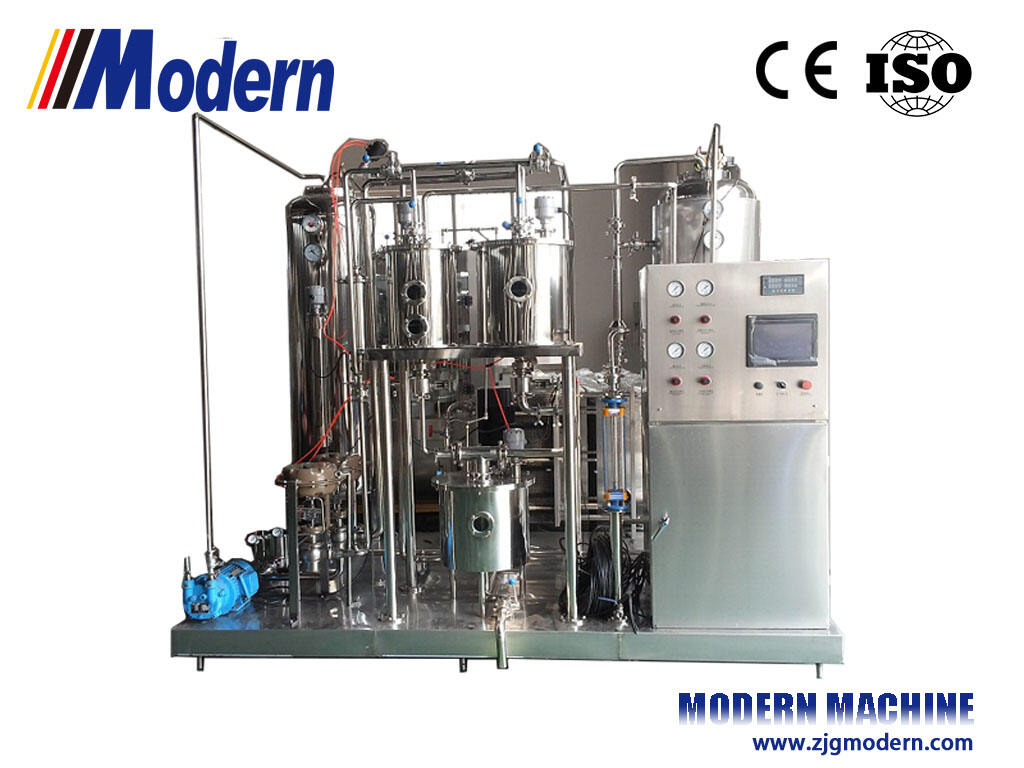
مميزات آلة تعبئة زيت الطعام
تدعم آلة التعبئة الصمام الميكانيكي، والصمام الحجمي، وصمام مقياس التدفق. يختار المشغل نوع الصمام بناءً على لزوجة المنتج وحجم الزجاجة. تتيح هذه المرونة للآلة نفسها التعامل مع أنواع مختلفة من الزيوت دون الحاجة إلى تغييرات في الأجهزة.
تقوم خلايا التحميل عالية الدقة بقياس وزن التعبئة أثناء تحرك الزجاجة عبر دورة التعبئة. يقرأ النظام الوزن في الوقت الفعلي ويعدل نقطة إغلاق الصمام. توفر هذه الطريقة تعبئة دقيقة وتزيل تأثير الرغوة ودرجة الحرارة وكثافة الزيت على حجم التعبئة.
يشتمل نظام الوزن على خوارزميات تعويض ديناميكية. يقرأ جهاز التحكم المنطقي القابل للبرمجة (PLC) درجة حرارة الزيت ويعدل قيمة الكثافة أثناء التعبئة. تحافظ هذه الميزة على استقرار الدقة عبر ظروف محيطة ودرجات زيت مختلفة.
يحتوي كل موضع تعبئة على مستشعر تقارب. يتحقق المستشعر من وجود زجاجة قبل فتح الصمام. إذا كانت الزجاجة مفقودة، يظل الصمام مغلقاً. يمنع هذا الإجراء انسكاب الزيت ويقلل من هدر المنتج.
تتضمن فوهات التعبئة آلية قطع مانعة للتنقيط. تُغلق الفوهة فوراً بعد كل دورة تعبئة. يمنع هذا التصميم الزيت من التنقيط على الزجاجة أو سير النقل، مما يحافظ على نظافة الآلة.
توفر Modern Machinery أطقم تغيير لأقطار وارتفاعات الزجاجات المختلفة. يقوم المشغلون بتبديل ماسكات الزجاجات، والعجلات النجمية، وشوط فوهة التعبئة. يستغرق التغيير الكامل أقل من 60 دقيقة.
يدعم سير النقل والماسكات كلاً من الزجاجات الزجاجية (الصلبة) وزجاجات PET (المرنة). تقوم الآلة بضبط ضغط الماسك لتجنب كسر الزجاج أو سحق زجاجات PET. يتم ضبط ارتفاع فوهة التعبئة ليناسب أشكال أعناق الزجاجات المختلفة.
تحتوي أوعية التعبئة والأنابيب ومشعبات الصمامات على وصلات CIP. يقوم المشغلون بتشغيل دورة مياه ساخنة ومنظف كاوٍ بين تغييرات المنتج. يقلل هذا التصميم من وقت التنظيف اليدوي ويمنع انتقال النكهات بين أنواع الزيوت.
سير عمل المشروع من التركيبة إلى التركيب
مواصفات المنتج والزجاجة
تراجع Modern Machinery نوع الزيت الخاص بك (اللزوجة، الكثافة، درجة الحرارة)، ومادة الزجاجة (زجاج أو PET)، وأبعاد الزجاجة، ونوع الغطاء. نؤكد نوع صمام التعبئة وإعدادات معايرة الوزن.
تخطيط تصميم المصنع
يقوم قسم التصميم بمساعدة الحاسوب (CAD) لدينا بصياغة تخطيط المصنع. يحدد الرسم مواضع الآلات العشر، وأطوال سير النقل، ووصلات الخدمة (الهواء المضغوط، الطاقة الكهربائية، والصرف).
التجميع واختبار القبول في المصنع (FAT)
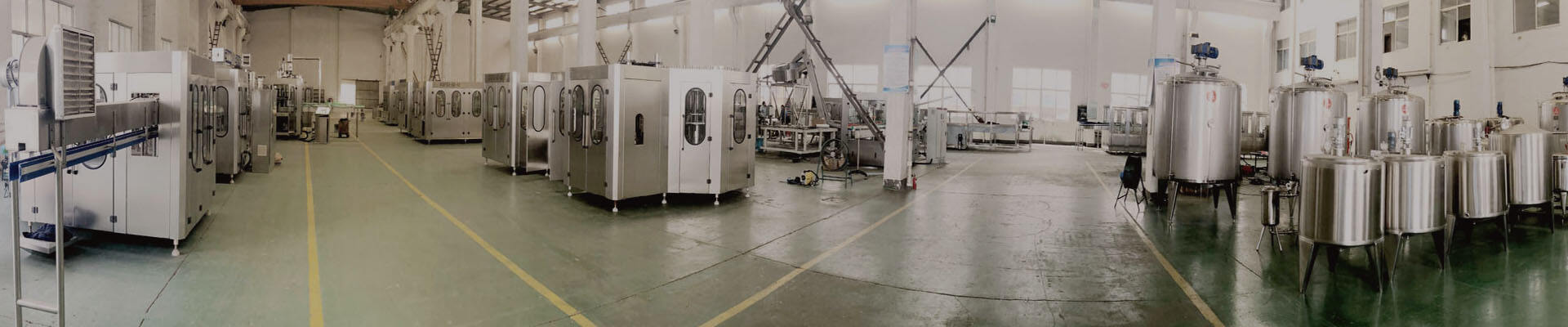
نقوم بتجميع الخط في مصنعنا. ندعوك لتجربة زجاجاتك وعينات الزيت الفعلية. أثناء اختبار القبول في المصنع (FAT)، نقيس دقة التعبئة، وموضع الملصق، وجودة انكماش الغلاف، وسرعة الخط الإجمالية.
التركيب والتدريب
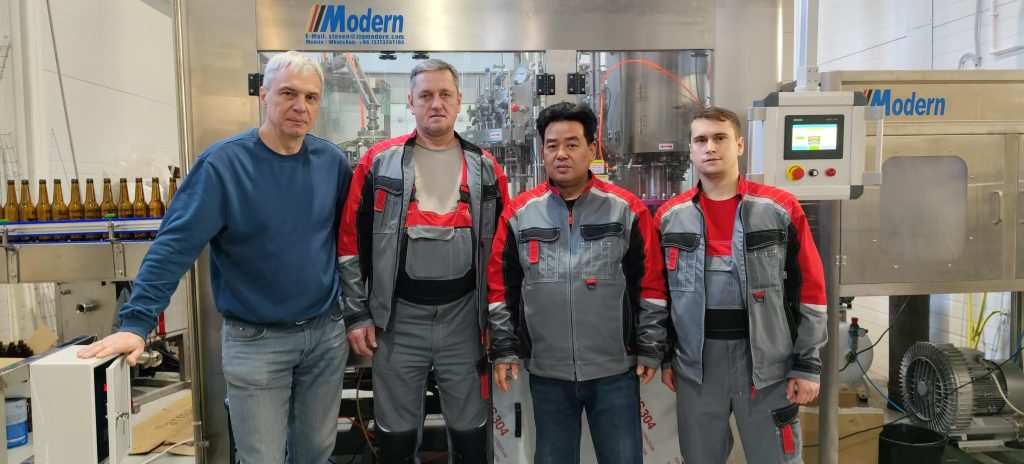
يتولى فريق الخدمة الميدانية لدينا الإعداد الميكانيكي والتوصيل الكهربائي في موقعك. ثم نقوم بتشغيل الخط، ومعايرة نظام الوزن، وتدريب المشغلين لديك، وتوفير وثائق الصيانة.
مقاطع فيديو حقيقية لخط تعبئة الزيت
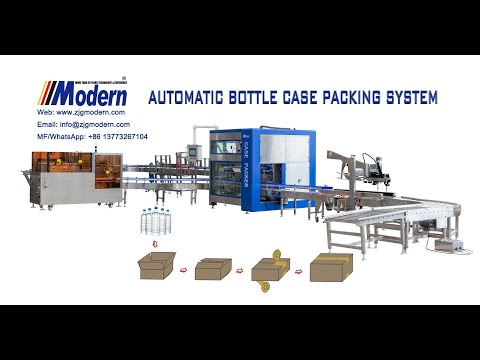
آلة تعبئة الكرتون للمواد الكيميائية في أستراليا
نظام أوتوماتيكي لتشكيل الكراتين، وتعبئة الزجاجات، وإغلاق الكراتين تم تطويره لمشروع سوائل كيميائية في أستراليا. يتعامل هذا النظام المصنوع من الفولاذ المقاوم للصدأ SS316 مع زجاجات HDPE سعة 5 لتر، ويكمل عمليات تشكيل الكرتون، وتعبئة الزجاجات، وإغلاق الكراتين بسرعة 14 كرتونة في الدقيقة.

آلة وضع الملصقات OPP عالية السرعة
آلة وضع ملصقات دوارة عالية السرعة تعمل بالغراء الساخن (OPP) لزجاجات مياه PET سعة 500 مل.

آلة نفخ زجاجات PET
آلة نفخ زجاجات PET أوتوماتيكية ذات ستة تجاويف لإنتاج زجاجات المشروبات سعة 500 مل بمعدل 8,000 زجاجة في الساعة.
استكشف مشاريعنا المكتملة لخطوط تعبئة الزيت
اختر خط تعبئة زيت الطعام الخاص بك حسب حجم الزجاجة، والإنتاجية، ونوع الزيت
حسب حجم الزجاجة
- 250 مل – 1 لتر – قياسي لزيت الزيتون المخصص للبيع بالتجزئة وزيوت الطهي الفاخرة. استخدم الزجاجات الزجاجية للتموضع الفاخر أو PET لكفاءة التكلفة.
- 1 لتر – 5 لتر – قياسي لزيت الطهي العائلي والبيع بالتجزئة بالجملة. زجاجات PET شائعة في هذا النطاق للتعامل الخفيف.
حسب الإنتاج بالساعة
- 1,000 – 4,000 زجاجة في الساعة – للمنتجين ذوي الدفعات الصغيرة والعلامات التجارية الخاصة.
- 5,000 – 10,000 زجاجة في الساعة – للموزعين الإقليميين ومعاصر الزيوت متوسطة الحجم.
- 10,000 – 18,000 زجاجة في الساعة – لمصافي زيت الطعام واسعة النطاق والمصانع الموجهة للتصدير.
تقنية التعبئة
- الصمام الميكانيكي – مناسب للزيوت منخفضة اللزوجة ذات خصائص التدفق الثابتة.
- الصمام الحجمي – مناسب للزيوت متوسطة اللزوجة التي تتطلب تعبئة بحجم ثابت.
- صمام مقياس التدفق – مناسب للزيوت عالية اللزوجة والتطبيقات التي تتطلب تعبئة عالية السرعة مع قياس رقمي.
الأسئلة الشائعة
ما هو الوزن الديناميكي عبر الإنترنت ولماذا يعد مهماً لزيت الطعام؟
يقيس الوزن الديناميكي عبر الإنترنت وزن كل زجاجة بينما لا تزال فوهة التعبئة نشطة. تقرأ خلايا التحميل عالية الدقة الوزن في الوقت الفعلي وترسل الإشارة إلى وحدة التحكم المنطقية القابلة للبرمجة (PLC). تقوم وحدة PLC بضبط نقطة إغلاق الصمام أثناء دورة التعبئة. تعد هذه الطريقة مهمة لزيت الطعام لأن كثافة الزيت تتغير مع درجة الحرارة. آلة التعبئة القائمة على الحجم قد تملأ الزجاجة أكثر أو أقل من اللازم مع ارتفاع أو انخفاض درجة حرارة الزيت. التعبئة بالوزن الديناميكي تعتمد على الوزن وليس الحجم، لذا لا تؤثر تغيرات درجة الحرارة على الدقة.
ما الفرق بين الصمام الميكانيكي، والصمام الحجمي، وصمام مقياس التدفق؟
يستخدم الصمام الميكانيكي شوطاً ثابتاً لتوزيع حجم محدد. وهو بسيط ومتين ويعمل بشكل جيد مع الزيوت منخفضة اللزوجة.
يستخدم الصمام الحجمي مكبساً أو حجرة لقياس كل عملية تعبئة. ويوفر دقة أفضل من الصمامات الميكانيكية للزيوت متوسطة اللزوجة.
يستخدم صمام مقياس التدفق مقياس تدفق مغناطيسي أو كتلي لقياس السائل المار عبره. ويوفر قراءات رقمية ويعمل بشكل أفضل مع الزيوت عالية اللزوجة وخطوط الإنتاج عالية السرعة.
تدمج MD الأنواع الثلاثة في آلة واحدة، بحيث يمكنك اختيار الطريقة الأنسب لزيتك.
كيف تتعامل آلة التعبئة مع أشكال الزجاجات المختلفة (مستديرة، مربعة، بيضاوية)؟
تستخدم آلة التعبئة ماسكات زجاجات قابلة للتعديل وعجلات نجمية. تمسك الماسكات الزجاجة من العنق أو الجسم، اعتماداً على التصميم. تنخفض فوهة التعبئة إلى الارتفاع الصحيح لكل شكل زجاجة. بالنسبة للزجاجات المربعة أو البيضاوية، نوفر ماسكات مخصصة تتناسب مع محيط الزجاجة. يستغرق التغيير أقل من 60 دقيقة باستخدام مجموعة التغيير السريع.
هل يدعم خط الإنتاج كلاً من الزجاجات الزجاجية وPET في نفس اليوم؟
نعم. يدعم الخط كلتا المادتين. يتطلب التبديل من الزجاج إلى PET تغيير إعدادات ضغط الماسك (يحتاج الزجاج إلى قبضة قوية، بينما يحتاج PET إلى قبضة أخف) وضبط ارتفاع فوهة التعبئة. نوصي بدورة تنظيف CIP بين تغييرات المواد لإزالة أي بقايا زيت. يستغرق التغيير الكامل حوالي 60-90 دقيقة.
ما هي دقة التعبئة لنظام الوزن الديناميكي؟
يوفر نظام الوزن الديناميكي دقة تعبئة تتراوح بين ±0.1% إلى ±0.2% من وزن التعبئة المستهدف. بالنسبة لزجاجة سعة 1 لتر (حوالي 920 جراماً من الزيت)، يعني هذا خطأ أقل من ±2 جرام لكل زجاجة. تعتمد الدقة الدقيقة على لزوجة الزيت، وسرعة التعبئة، وتناسق الزجاجات.