
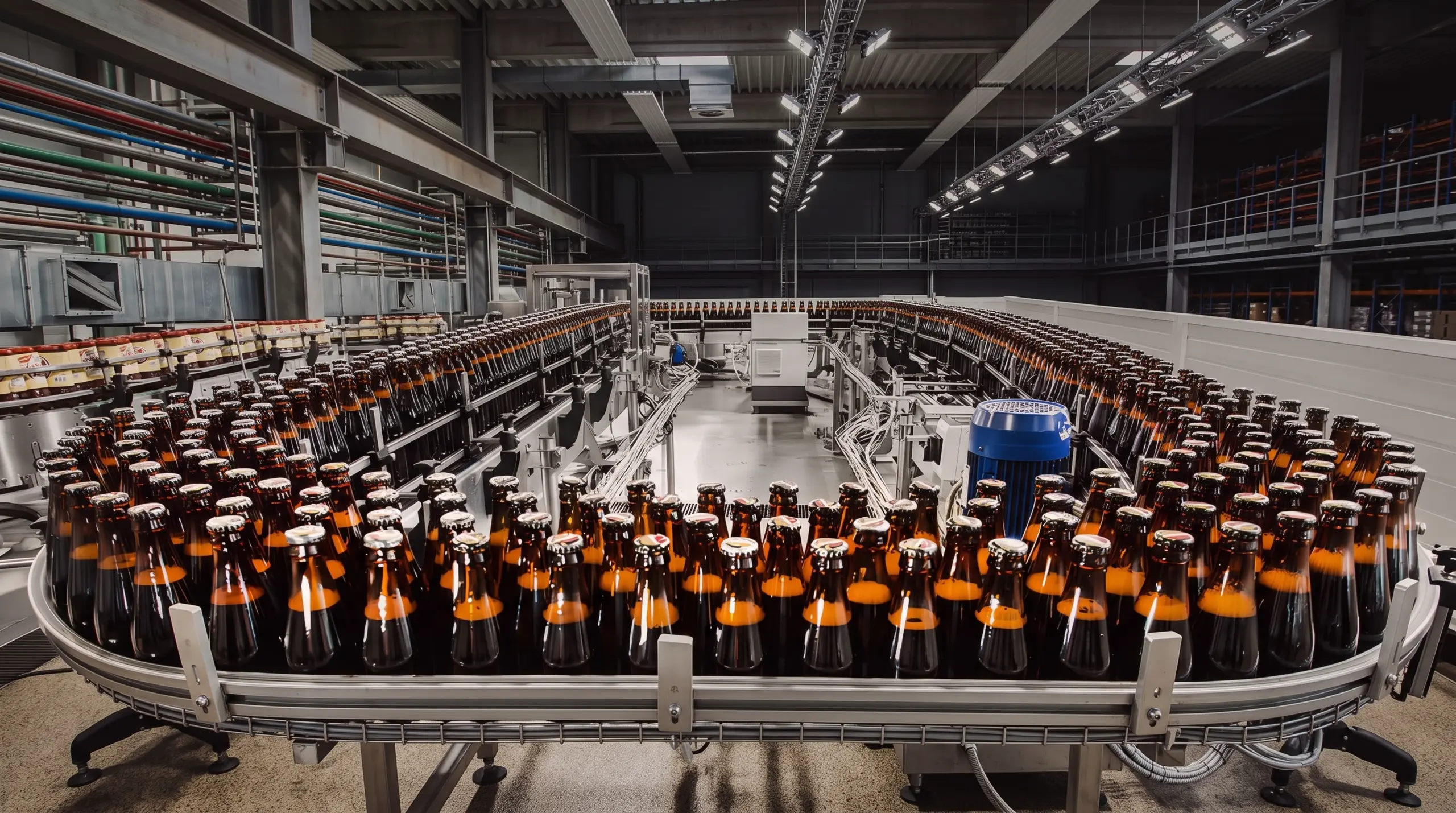
خط تعبئة الجعة
تستخدم Modern Machinery التعبئة بالتفريغ لتقليل ملامسة الأكسجين أثناء التعبئة. وهذا يطيل من العمر الافتراضي للجعة ويحسن دقة التعبئة. يتعامل الخط مع الزجاجات الزجاجية وعلب الألمنيوم بمعدل 1,000 إلى 15,000 زجاجة/علبة في الساعة.
ما هو خط تعبئة الجعة
خط تعبئة الجعة هو نظام إنتاج متكامل يقوم بتعبئة وإغلاق وتغليف الجعة في زجاجات زجاجية أو علب ألمنيوم.
في Modern Machinery، يبدأ الخط بمناولة الحاويات الفارغة وينتهي بكرتونات مغلقة. الآلة الأساسية هي وحدة مدمجة 3 في 1 تقوم بالشطف والتعبئة والإغلاق. تستخدم طريقة التعبئة مبدأ التفريغ، حيث تقوم مضخة تفريغ بإزالة الهواء من الحاوية قبل التعبئة. تقلل هذه الخطوة من امتصاص الأكسجين المذاب (DO) إلى أقل من 0.5 ملجم/لتر. يحافظ مستوى الأكسجين المذاب المنخفض على نضارة الجعة لفترة أطول ويمنع النكهات غير المرغوبة. يتضمن الخط أيضاً نفق بسترة لقتل الخميرة وآلة تعبئة لتجميع المنتجات النهائية. نحن نوفر آلات تعبئة مستقلة ومشاريع تسليم مفتاح كاملة.
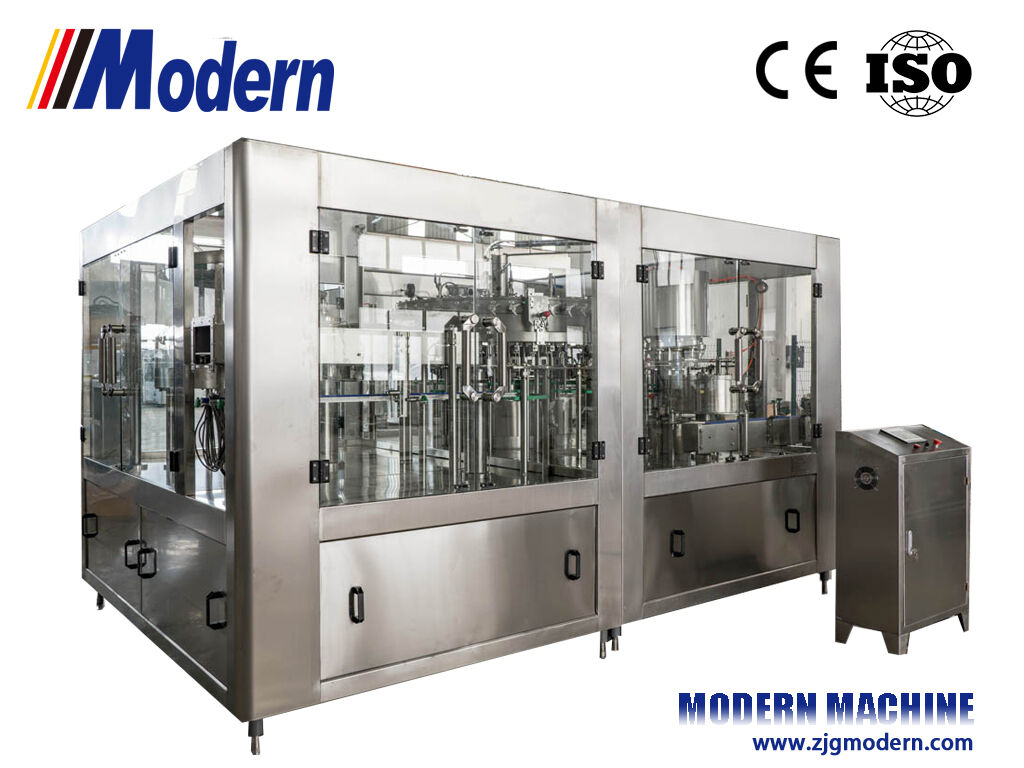
تخطيط خط تعبئة الجعة – 6 آلات على التوالي
يوضح الرسم أدناه مخطط الأرضية القياسي. يربط الناقل كل آلة بهذا الترتيب الثابت. راجع التسلسل قبل طلب عرض سعر.
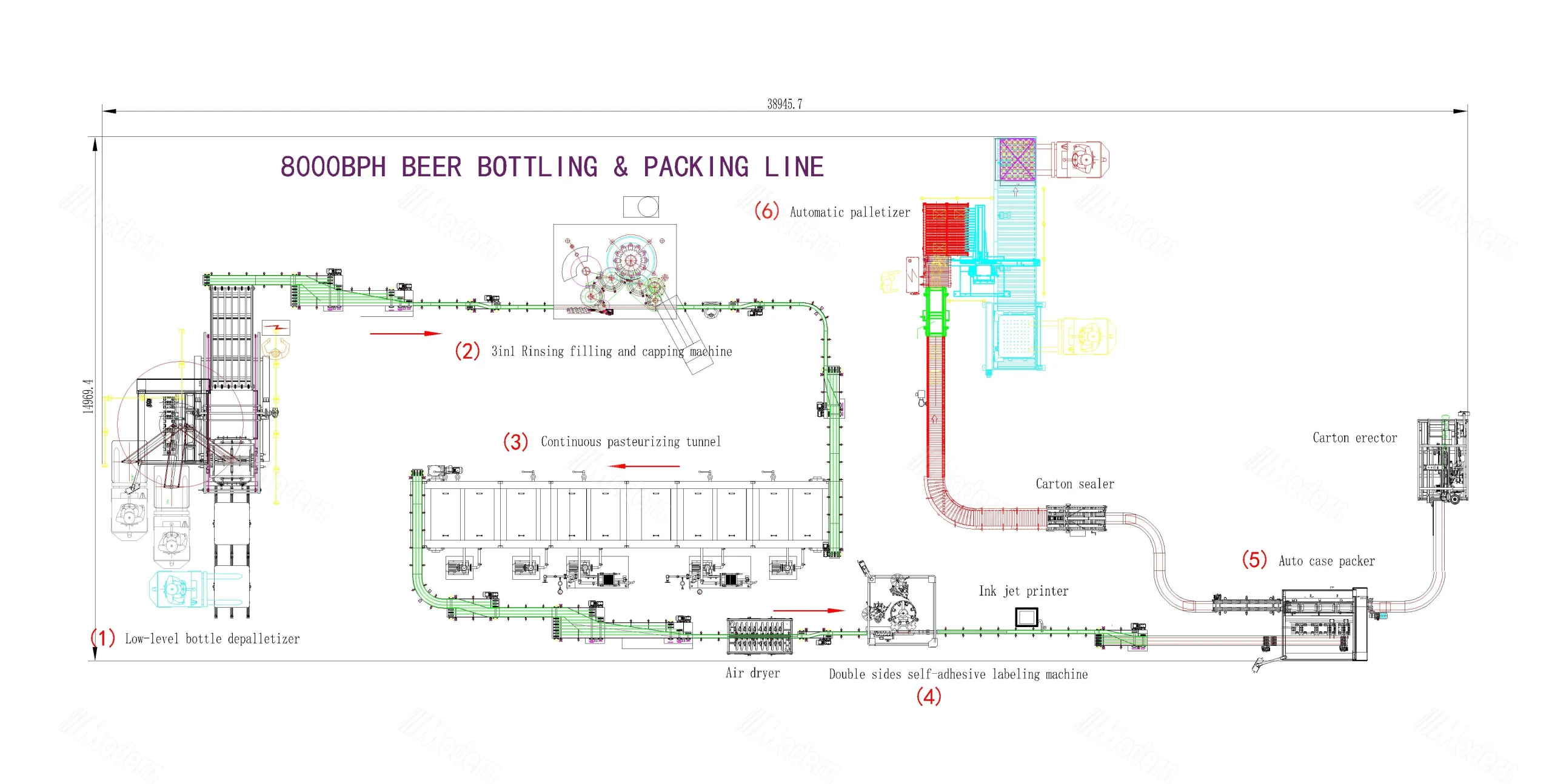
الآلات الرئيسية في خط تعبئة الجعة
جهاز تفريغ الزجاجات من المنصات منخفض المستوى
آلة تعبئة الجعة 3 في 1
نفق بسترة مستمر
آلة وضع الملصقات الدوارة ذاتية اللصق
آلة تعبئة الصناديق الأوتوماتيكية
جهاز تجميع المنصات الآلي
المواصفات الرئيسية لخط إنتاج البيرة الخاص بك
أرسل هذه التفاصيل إلى فريقنا الهندسي. سنقوم بمطابقة الخط مع مساحة مصنعك وأهداف الإنتاج الخاصة بك.
| نوع المنتج | البيرة (لاجر، إيل، ستاوت، بيلسنر)، عصير التفاح، ومشروبات الشعير |
|---|---|
| تنسيقات العبوات | الزجاجات الزجاجية (القابلة للإرجاع وذات الاستخدام الواحد) وعلب الألمنيوم (قطعتان و3 قطع) |
| سعة الإنتاج | 1,000 إلى 15,000 زجاجة/علبة في الساعة. تعتمد السعة على حجم العبوة والطراز. |
| مبدأ التعبئة | التعبئة بالتفريغ (نظام الضغط السالب) |
| دقة التعبئة | ± 1.0 مل لكل عبوة (تعبئة حسب المستوى أو الحجم) |
| معدل اكتساب الأكسجين المذاب | ≤ 0.5 مجم/لتر |
| نطاق قطر العبوة | 50 مم إلى 115 مم |
| نطاق ارتفاع العبوة | 120 مم إلى 340 مم |
| أنواع الإغلاق | غطاء التاج، غطاء لولبي (قابل للفتح بالتدوير)، غطاء ألومنيوم قابل للطي، وأغطية العلب سهلة الفتح |
| وسط الشطف | هواء معقم أو ماء مفلتر |
| مادة الأجزاء الملامسة للمنتج | ستانلس ستيل 304 و316. حشوات الإغلاق مطابقة للمعايير الغذائية |
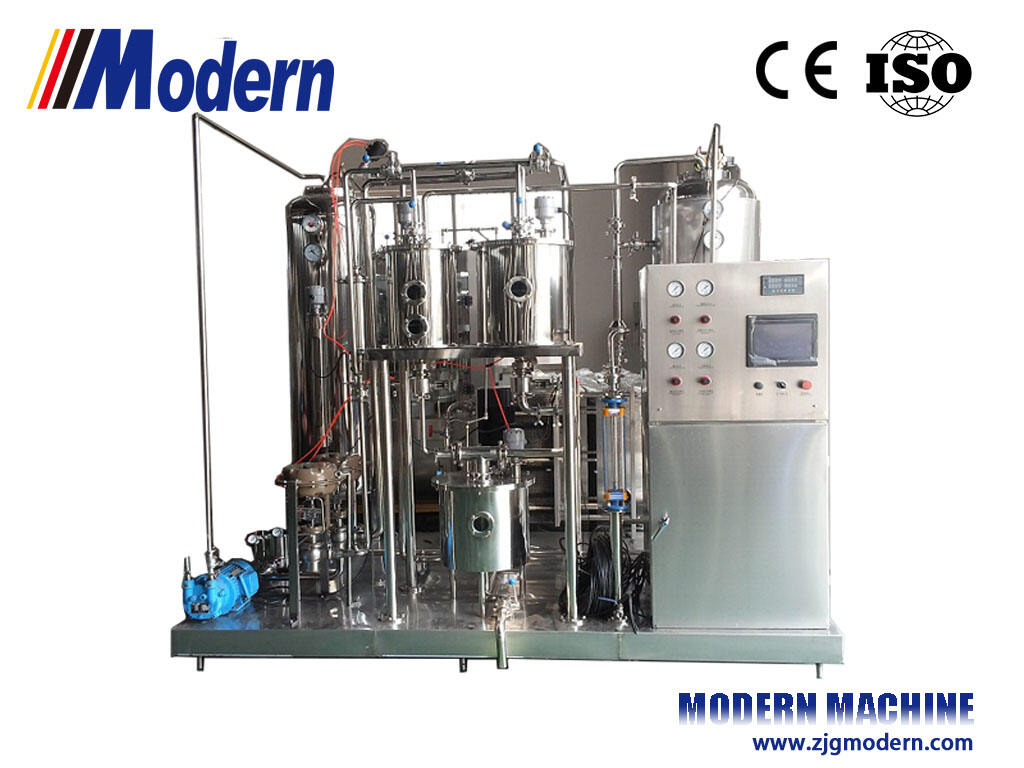
مميزات آلة التعبئة الفراغية 3 في 1
تقوم مضخة التفريغ الدوارة بسحب الهواء من كل زجاجة أو علبة قبل دورة التعبئة. هذا الإجراء يقلل من إجمالي الأكسجين في العبوة (TPO). يظل البيرة المخزنة بمستوى منخفض من TPO طازجة لعدة أشهر إضافية.
يستخدم كل صمام تعبئة مقياس تدفق أو مجس مستوى. يتوقف الصمام عن التدفق عندما تصل العبوة إلى الحجم المحدد. هذه الدقة تقلل من هدر المنتج وتوفر التكاليف.
توجد مستشعرات كهروضوئية عند عجلة التغذية النجمية. إذا كانت الزجاجة أو العلبة مكسورة أو مفقودة، يرسل المستشعر إشارة، ويظل الصمام المقابل مغلقاً. تمنع هذه الميزة انسكاب البيرة وتحافظ على جفاف الأرضية.
توفر Modern Machinery قطع غيار لكلا نوعي العبوات. يقوم المشغلون بتبديل القابضات، والعجلات النجمية، ورؤوس الإغلاق (آلات التاج أو آلات القفل). يستغرق التغيير أقل من ساعتين.
تمسك الآلة بكل زجاجة وهي مقلوبة رأساً على عقب. تقوم فوهات الرش بضخ هواء معقم أو ماء داخل العبوة. تزيل هذه الخطوة الغبار والجزيئات قبل التعبئة.
تتوافق عجلة الخروج النجمية للآلة مع سرعة ناقل التغذية الخاص بجهاز البسترة. يمنع هذا التزامن الضغط العكسي ويتجنب اصطدام الزجاجات ببعضها البعض.
تحتوي جميع الأنابيب، والمشعبات، ووعاء التعبئة على وصلات CIP. يقوم المشغل بتشغيل دورة تنظيف آلية بين دورات الإنتاج. يقلل هذا التصميم من وقت التنظيف اليدوي.
تستخدم محركات الناقل ومضخة التفريغ محولات تردد. تقوم هذه المحركات بضبط السرعة بناءً على حمل الخط. يقلل هذا التصميم من استهلاك الكهرباء مقارنة بالمحركات ذات السرعة الثابتة.
سير عمل المشروع من التركيبة إلى التركيب
مراجعة الوصفة والعبوة
يقوم مهندسو Modern Machinery بفحص وصفة البيرة الخاصة بك (مستوى الكربنة، اللزوجة) ومواصفات العبوة (القطر، الارتفاع، نوع الغطاء). نؤكد متطلبات وحدات البسترة (PU) لوصفتك.
تخطيط تصميم المصنع
يقوم فريق التصميم بمساعدة الحاسوب (CAD) برسم مخطط الأرضية ثنائي الأبعاد. يحدد الرسم موقع كل آلة، وطول الناقل، ونقاط توصيل المرافق (البخار، الهواء المضغوط، الطاقة، والماء).
التصنيع واختبار القبول في المصنع (FAT)
نقوم ببناء الخط في مصنعنا. ندعوك لحضور اختبار القبول في المصنع. خلال اختبار FAT، نقوم بتشغيل زجاجاتك أو علبك الفعلية عبر آلة التعبئة الفراغية لقياس مستويات الأكسجين المذاب (DO) ودقة التعبئة.
التركيب والتدريب
يقوم مهندسو الخدمة لدينا بزيارة موقعك، حيث يشرفون على التركيب الميكانيكي والتوصيلات الكهربائية. بعد ذلك، يقومون بتشغيل خط الإنتاج وتدريب المشغلين لديك. كما نسلمك قائمة بقطع الغيار وجدولاً للصيانة.
فيديوهات خطوط إنتاج البيرة الحقيقية
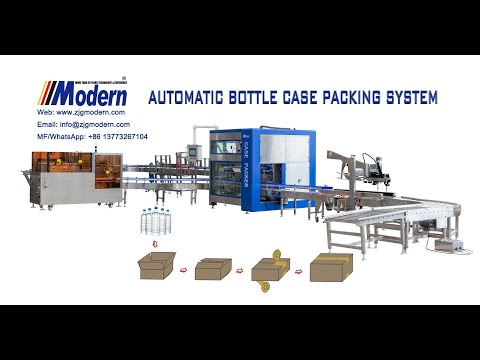
آلة تعبئة الكرتون للمواد الكيميائية في أستراليا
نظام أوتوماتيكي لتشكيل الكراتين، وتعبئة الزجاجات، وإغلاق الكراتين تم تطويره لمشروع سوائل كيميائية في أستراليا. يتعامل هذا النظام المصنوع من الفولاذ المقاوم للصدأ SS316 مع زجاجات HDPE سعة 5 لتر، ويكمل عمليات تشكيل الكرتون، وتعبئة الزجاجات، وإغلاق الكراتين بسرعة 14 كرتونة في الدقيقة.

آلة وضع الملصقات OPP عالية السرعة
آلة وضع ملصقات دوارة عالية السرعة تعمل بالغراء الساخن (OPP) لزجاجات مياه PET سعة 500 مل.

آلة نفخ زجاجات PET
آلة نفخ زجاجات PET أوتوماتيكية ذات ستة تجاويف لإنتاج زجاجات المشروبات سعة 500 مل بمعدل 8,000 زجاجة في الساعة.
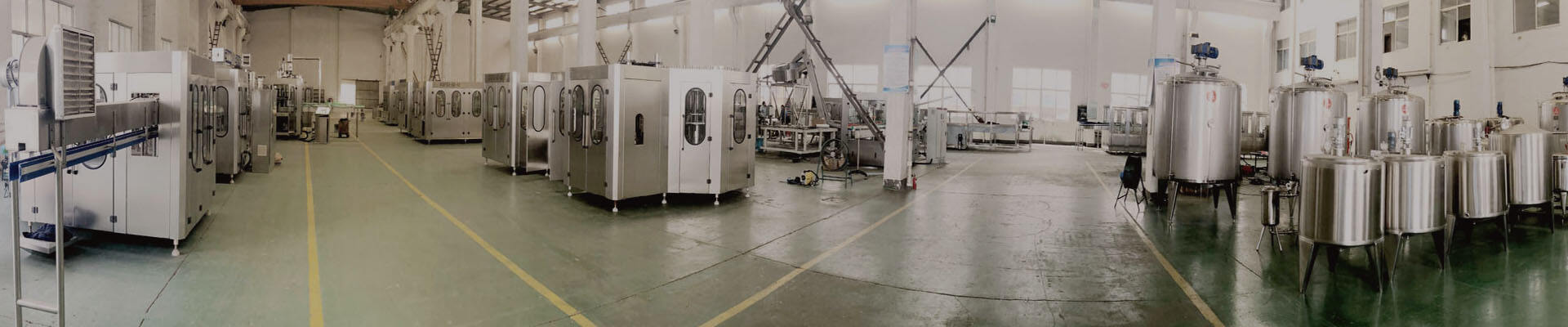
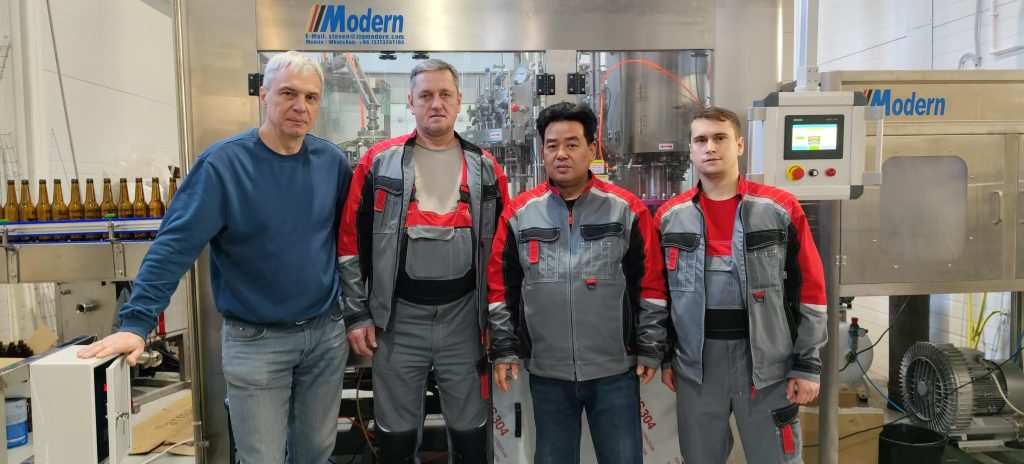
استكشف مشاريعنا المكتملة لخطوط تعبئة الجعة
اختر خط تعبئة الجعة الخاص بك حسب السعة، ونوع العبوة، ومستوى الكربنة
حسب الإنتاج بالساعة (BPH)
- 1,000 – 4,000 BPH – استخدم هذا النطاق لمصانع الجعة الصغيرة ومشاريع البيرة الحرفية (Brewpubs).
- 5,000 – 10,000 BPH – استخدم هذا النطاق للعلامات التجارية الإقليمية التي توزع منتجاتها على مدن متعددة.
- 10,000 – 15,000 BPH – استخدم هذا النطاق لمصانع الجعة واسعة النطاق ذات الطلبات الوطنية أو التصديرية.
حسب نوع العبوة
- الزجاجات – اختر الزجاج للحصول على صورة علامة تجارية متميزة ولأنظمة الزجاجات القابلة للإرجاع (تكلفة تغليف أقل لكل دورة).
- علب الألمنيوم – اختر العلب لسهولة الشحن والحماية الكاملة من الضوء (تجنب تغير الطعم). العلب قابلة لإعادة التدوير بالكامل.
حسب ضغط التعبئة
- التعبئة القياسية بالتفريغ – مناسبة لأنواع الجعة العادية (Lagers و Ales) ذات الكربنة المعتدلة (حتى 2.7 حجم من CO₂).
- خيار الضغط العكسي – مطلوب لجعة القمح أو المشروبات الحرفية عالية الكربنة (أعلى من 3.0 حجم) للتحكم في الرغوة أثناء التعبئة.
الأسئلة الشائعة
ما الذي يجعل التعبئة بالتفريغ أفضل للجعة؟
تعمل التعبئة بالتفريغ على إزالة الهواء من العبوة قبل دخول الجعة. هذا الإجراء يخفض مستوى الأكسجين المذاب (DO) إلى أقل من 0.5 مجم/لتر. انخفاض الأكسجين المذاب يمنع الأكسدة، التي تسبب رائحة الكرتون المبلل والمظهر العكر في الجعة القديمة. التعبئة بالتفريغ تحافظ على الطعم الأصلي لفترة أطول.
هل تتعامل نفس الماكينة مع الزجاجات وعلب الألمنيوم؟
نعم. وحدة المونوبلوك 3 في 1 تقبل كلا التنسيقين. يمكنك تبديل ماسكات الزجاجات، وموجهات النجمة، وبرج الإغلاق (إزالة آلات التتويج وتركيب آلات إغلاق العلب). تستغرق عملية التغيير حوالي 1.5 إلى 2 ساعة.
كيف يعمل نظام "لا زجاجة، لا تعبئة"؟
يوجد مستشعر ألياف بصرية عند مدخل برج التعبئة. يتحقق المستشعر من وجود عبوة في كل موضع. إذا كان الموضع فارغاً، يرسل المستشعر إشارة توقف إلى صمام التعبئة المحدد. يظل الصمام مغلقاً مما يوفر الجعة.
هل أحتاج إلى وحدة معالجة مياه للشطف؟
لا. يمكن للشطافة استخدام هواء معقم يمر عبر فلتر HEPA. إذا كنت تفضل الشطف الرطب، يمكننا توصيل الماكينة بدورة المياه النقية الموجودة لديك. نحن لا نطلب محطة معالجة منفصلة للشطافة.
ما هو مستوى البسترة الذي يوفره النفق؟
يستخدم النفق ثلاث مناطق حرارية: التسخين المسبق، والتعقيم الرئيسي، والتبريد. يطبق النظام قيمة وحدة بسترة (PU) محكومة بين 5 و15 وحدة. هذا النطاق يقضي على الخميرة والبكتيريا دون تغيير نكهة الجعة. تمنع منطقة التبريد الصدمة الحرارية للزجاجات.