
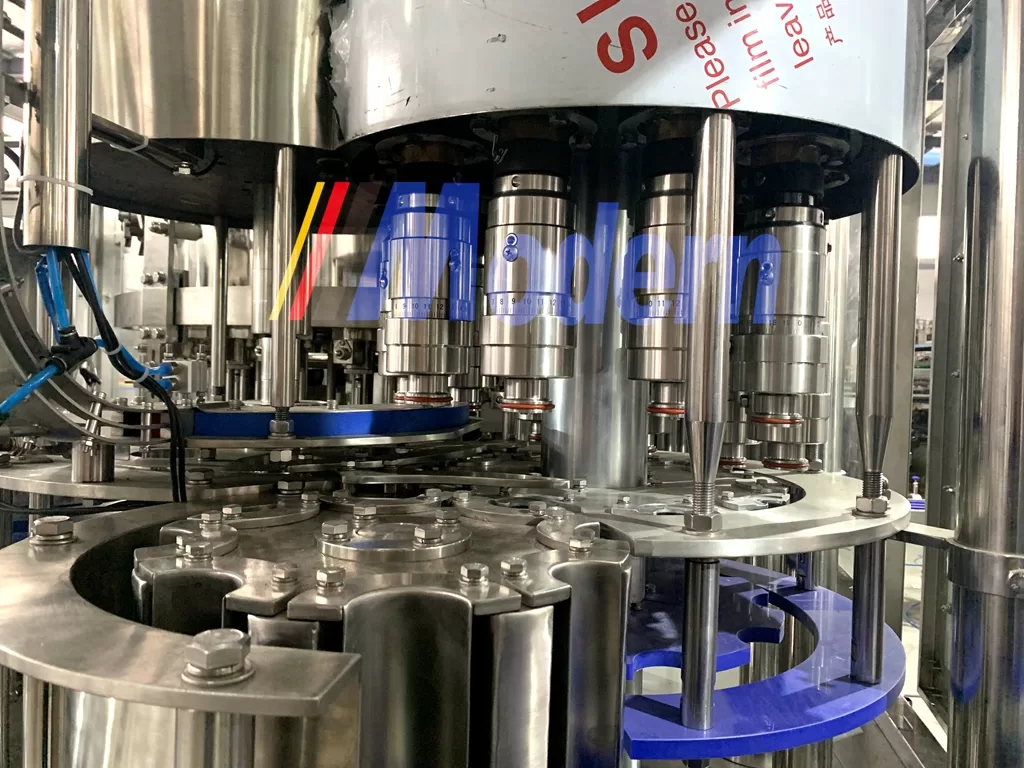
في مجال التصنيع والإنتاج، تُعد آلات تعبئة المشروبات عنصراً محورياً في عملية تعبئة المشروبات، بدءاً من المياه والمشروبات الغازية وصولاً إلى المنتجات السائلة الأكثر تعقيداً مثل العصائر والصلصات وحتى المشروبات الكحولية. ومع تزايد الطلب على الإنتاج الفعال وحلول التعبئة عالية الجودة، أصبح فهم تفاصيل آلات تعبئة المشروبات أمراً ضرورياً للشركات التي تتطلع إلى توسيع نطاق عملياتها والحفاظ على قدرتها التنافسية في السوق العالمية.
أهمية آلات تعبئة المشروبات
مع تزايد وعي المستهلكين بالصحة وتمييزهم للمنتجات التي يستهلكونها، أصبحت جودة المشروبات وسلامتها في طليعة الأولويات. تلعب آلات تعبئة المشروبات دوراً حاسماً في ضمان تعبئة المنتجات بكفاءة مع تقليل مخاطر التلوث. لا تكتفي هذه الآلات بتعزيز الإنتاجية فحسب، بل تحافظ أيضاً على سلامة المنتج ونضارته، مما يعزز سمعة العلامة التجارية.
أنواع آلات تعبئة المشروبات
عند التفكير في تنفيذ استخدام آلة تعبئة المشروبات، تحتاج الشركات إلى فهم الأنواع المختلفة المتاحة في السوق:
1. آلات التعبئة بالجاذبية
تعمل حشوات الجاذبية باستخدام قوة الجاذبية لتوزيع السائل في الحاويات. هذا النوع من الآلات مثالي للسوائل الخفيفة، مثل الماء أو العصائر الخفيفة. تشتهر آلات التعبئة بالجاذبية ببساطتها وسهولة استخدامها، مما يجعلها مناسبة للعمليات الصغيرة.
2. آلات التعبئة بالضغط
تعمل حشوات الضغط باستخدام الضغط للتحكم في تدفق السائل إلى الحاوية. هذه الآلات متعددة الاستخدامات ويمكنها التعامل مع السوائل الخفيفة والثقيلة على حد سواء. وتعتبر هذه التقنية مفيدة بشكل خاص للمشروبات الغازية، حيث تساعد في منع تكون الرغوة والانسكاب أثناء عملية التعبئة.
3. آلات التعبئة بالتفريغ (الفراغ)
باستخدام نظام التفريغ (الفراغ)، تقوم هذه الحشوات بسحب السائل إلى الحاوية عن طريق خلق بيئة مفرغة. هذه الطريقة فعالة للسوائل عالية اللزوجة، مما يجعلها مناسبة لمنتجات مثل الصلصات أو الشراب المركز. تضمن حشوات التفريغ تعبئة دقيقة وصحيحة، مما يقلل من الهدر ويعزز جودة المنتج.
4. حشوات البريمة (Auger Fillers)
تُستخدم عادةً للمساحيق والمنتجات الحبيبية بدلاً من السوائل، وتستخدم حشوات البريمة آلية لولبية دوارة لتوزيع كميات مقاسة من المنتج في الحاويات. وعلى الرغم من أنها ليست تقليدية للمشروبات، إلا أنها يمكن أن تكون ذات قيمة في خطوط إنتاج المشروبات التي تتضمن خلطات مسحوقة.
عوامل يجب مراعاتها عند اختيار آلة تعبئة المشروبات
يتطلب اختيار آلة تعبئة المشروبات المناسبة تقييماً دقيقاً لعوامل مختلفة تتماشى مع احتياجات الإنتاج الخاصة بك:
1. الطاقة الإنتاجية
يعد فهم حجم المنتج الذي تهدف إلى إنتاجه أمراً بالغ الأهمية. تختلف الآلات بشكل كبير في سرعات التعبئة الخاصة بها، لذا من الضروري اختيار آلة تلبي متطلبات الإنتاج الخاصة بك دون المساس بالجودة.
2. نوع السائل
ستحدد لزوجة مشروبك ومستوى الكربنة والحساسية نوع الآلة التي يجب أن تفكر فيها. على سبيل المثال، سيتطلب المشروب الغازي طريقة تعبئة مختلفة عن المياه الساكنة أو العصير.
3. كفاءة الآلة
ابحث عن آلات ذات كفاءة عالية لزيادة الإنتاج. ستعمل ميزات مثل التعبئة التلقائية، ومحاذاة الزجاجات، وقدرات التغيير السريع على تبسيط عملية الإنتاج الخاصة بك.
4. الجودة والمتانة
يجب تقييم طول عمر وموثوقية آلة التعبئة. ستضمن المواد عالية الجودة والتصميم القوي أن استثمارك سيتحمل قسوة العمليات اليومية.
5. الصيانة والدعم
تعد الصيانة الدورية أمراً بالغ الأهمية لطول عمر أي آلة. أعط الأولوية لتلك التي تأتي مع خدمات دعم شاملة، بما في ذلك سهولة الوصول إلى قطع الغيار، والمساعدة الفنية، وإجراءات الصيانة سهلة الاستخدام.
فوائد أتمتة عملية التعبئة الخاصة بك
يمكن أن تؤدي أتمتة عملية تعبئة المشروبات إلى العديد من المزايا:
1. زيادة الإنتاجية
تعمل آلات التعبئة الآلية بسرعات أعلى من الطرق اليدوية، مما يزيد بشكل كبير من معدل الإنتاج. وهذا مفيد بشكل خاص في سوق عالي الطلب حيث يمكن أن تؤدي العمليات غير الفعالة إلى ضياع فرص المبيعات.
2. تعزيز الاتساق
تزيل الأتمتة الخطأ البشري المرتبط بالتعبئة اليدوية، مما يضمن حصول كل حاوية على كمية ثابتة من المنتج، وبالتالي تحسين جودة المنتج الإجمالية.
3. تحسين سلامة العمال
تؤدي أتمتة المهام الخطرة أو كثيفة العمالة إلى تقليل مخاطر الحوادث والإصابات في مكان العمل، مما يخلق بيئة أكثر أماناً لموظفيك.
4. توفير التكاليف
على الرغم من أن الاستثمار الأولي في الآلات الآلية يمكن أن يكون كبيراً، إلا أن المدخرات طويلة الأجل من خلال تقليل تكاليف العمالة، وتقليل الهدر، وزيادة الكفاءة يمكن أن تحقق عوائد كبيرة.
اتجاهات صناعة آلات تعبئة المشروبات
مع تطور الصناعة، تؤثر العديد من الاتجاهات على تطوير وابتكار آلات تعبئة المشروبات:
1. مبادرات الاستدامة
مع التركيز المتزايد على الممارسات الصديقة للبيئة، يقوم المصنعون بشكل متزايد بتصميم آلات تقلل من النفايات واستهلاك الطاقة. ويشمل ذلك استخدام مواد صديقة للبيئة وتنفيذ تقنيات تقلل من استخدام المياه أثناء الإنتاج.
2. دمج التكنولوجيا الذكية
سهل صعود إنترنت الأشياء (IoT) دمج التقنيات الذكية في آلات التعبئة. وهذا يسمح بالمراقبة والتشخيص في الوقت الفعلي، مما يعزز الكفاءة والصيانة في الوقت المناسب.
3. التخصيص والمرونة
يسعى المزيد من المنتجين إلى الحصول على آلات يمكنها استيعاب مجموعة من أحجام وأشكال الحاويات دون توقف طويل عن العمل. ويستجيب المصنعون بتصاميم معيارية تسمح بإجراء تعديلات وتغييرات سريعة في خطوط الإنتاج.
أفضل الممارسات لتشغيل آلة تعبئة المشروبات
لضمان الأداء الأمثل، فكر في تنفيذ أفضل الممارسات التالية:
1. الصيانة الدورية
ضع جدول صيانة روتيني لفحص وتنظيف واستبدال المكونات الضرورية في آلة التعبئة. هذا يقلل من مخاطر الأعطال ويطيل عمر الآلة.
2. تدريب المشغلين
استثمر في برامج تدريب شاملة لموظفيك لضمان إلمامهم بتشغيل آلة التعبئة بأمان وكفاءة. يمكن للمشغلين المدربين جيداً تقليل احتمالية وقوع حوادث تشغيلية بشكل كبير.
3. فحوصات مراقبة الجودة
نفذ تدابير صارمة لمراقبة الجودة في مراحل مختلفة من عملية التعبئة. يضمن أخذ العينات والاختبار المنتظم أن جودة المنتج النهائي تلبي معايير الصناعة.
4. مواكبة التطورات التكنولوجية
تتطور صناعة المشروبات بسرعة. إن البقاء على اطلاع بأحدث التطورات والاتجاهات التكنولوجية سيسمح لك باتخاذ قرارات مستنيرة بشأن الترقية أو الاستثمار في آلات جديدة.
الخلاصة
آلات تعبئة المشروبات ليست مجرد أدوات، بل هي عناصر أساسية يمكن أن تحدد نجاح وكفاءة أعمال إنتاج المشروبات. يمكن لآلة التعبئة المختارة جيداً أن توفر العديد من المزايا، بدءاً من تعزيز الإنتاجية وصولاً إلى ضمان سلامة المنتج. من خلال النظر بعناية في الأنواع المختلفة لآلات التعبئة المتاحة وتوظيف أفضل الممارسات في تشغيلها، يمكن للشركات وضع نفسها في مكانة متميزة لتحقيق التميز التشغيلي والنمو المستدام في سوق تنافسي دائم. بينما تستكشف الخيارات، ابق على دراية بالاتجاهات في الصناعة وكن مستعداً للتكيف لتسخير الإمكانات الكاملة لتكنولوجيا تعبئة المشروبات.


