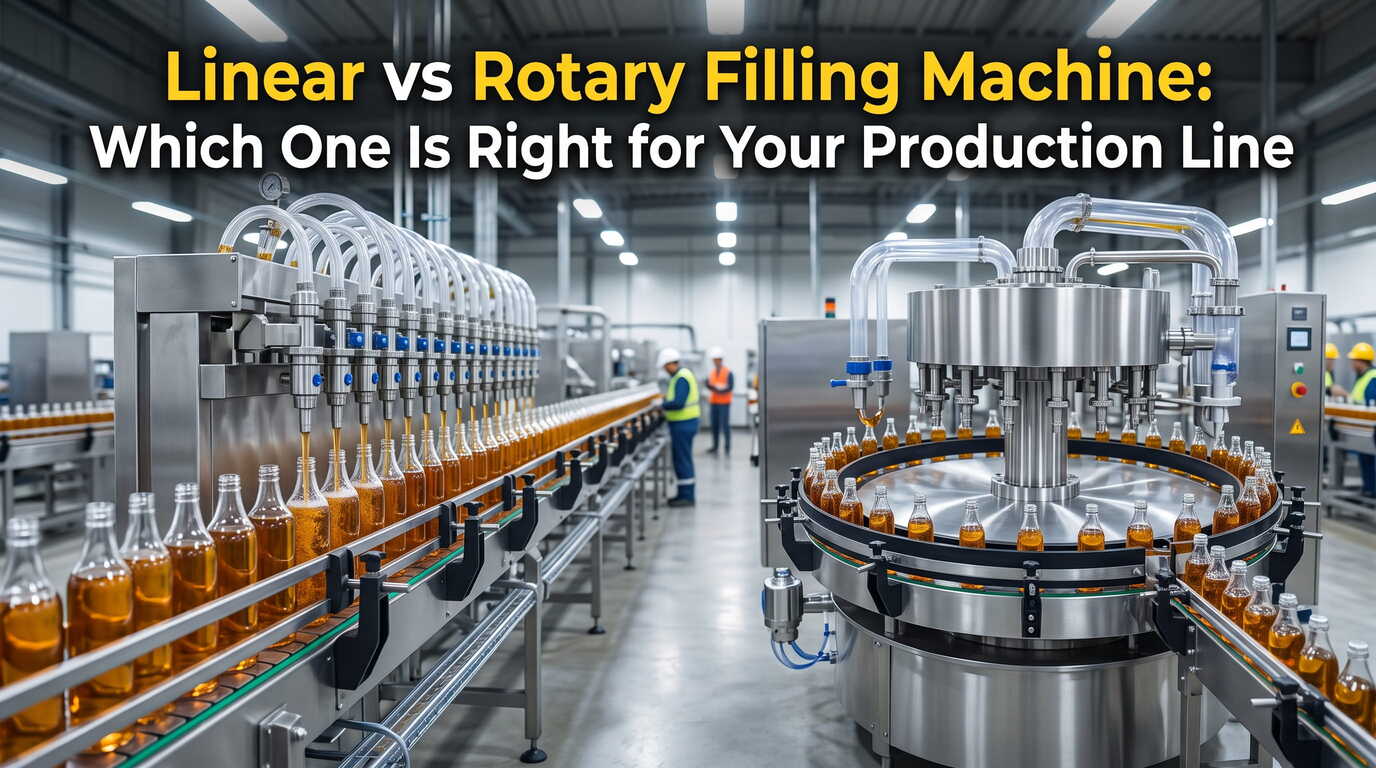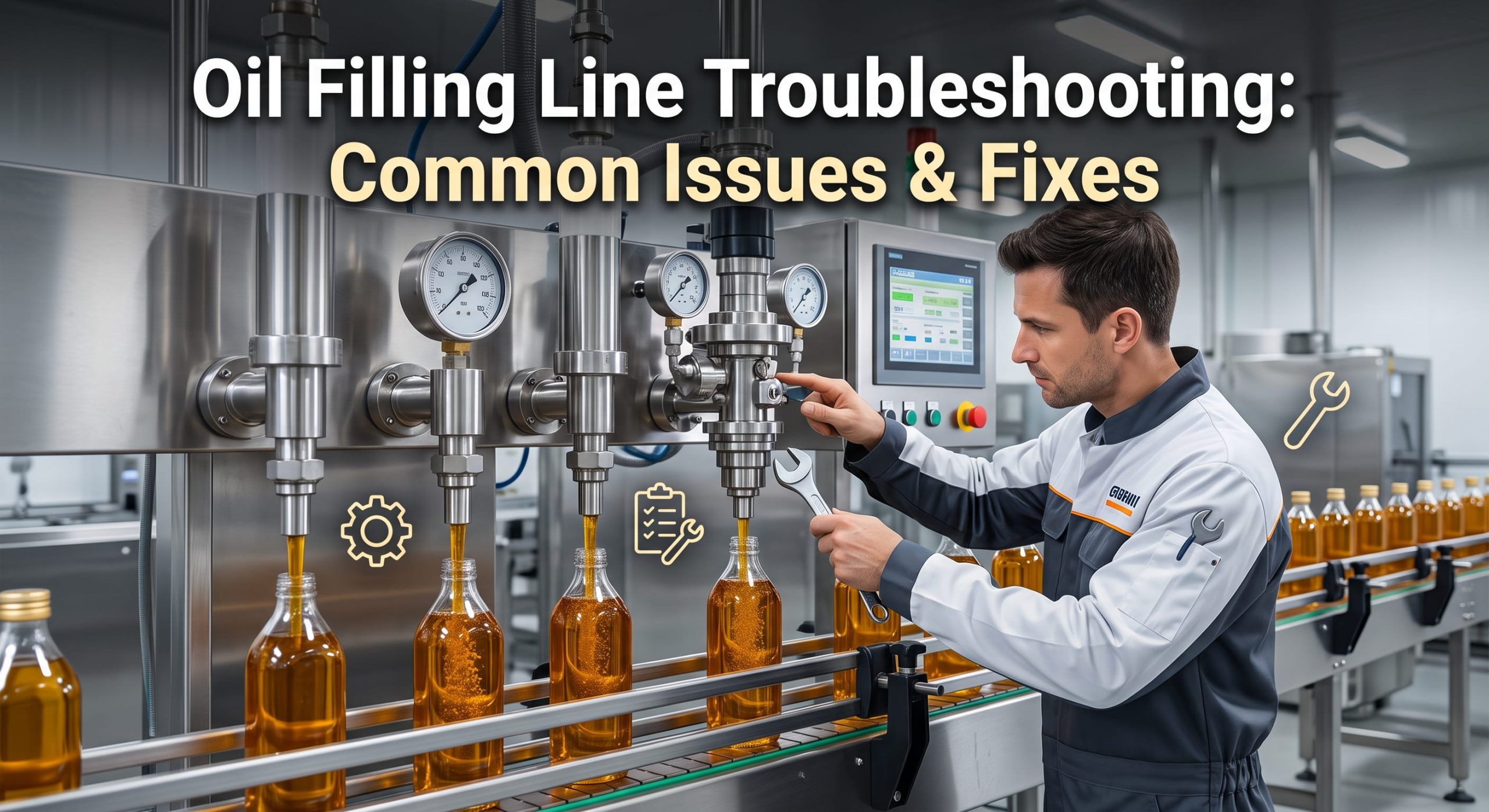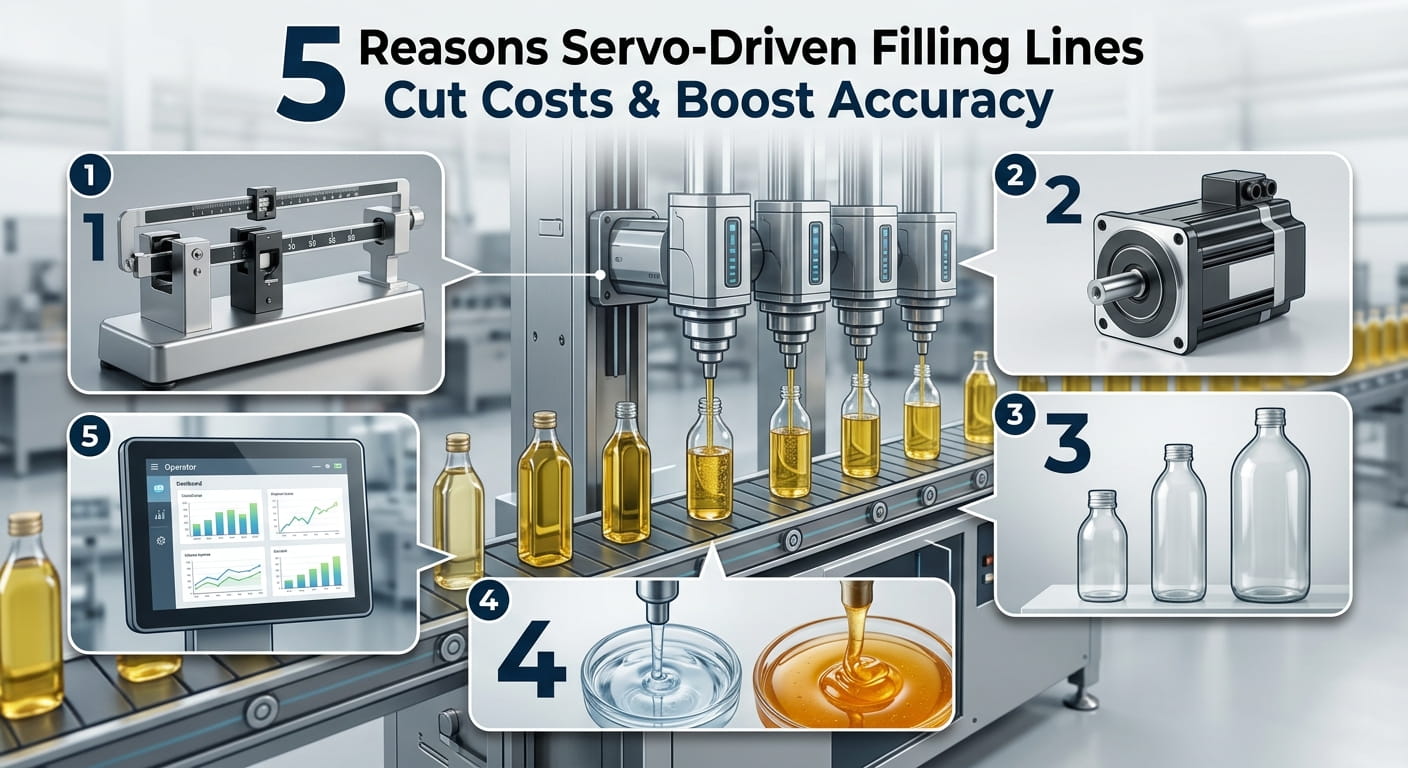

في ظل المنافسة الشديدة في مجال إنتاج وتوزيع المشروبات، أصبح الطلب على الكفاءة والجودة أعلى من أي وقت مضى. ومن بين التطورات التكنولوجية التي تبرز في صناعة البيرة هي آلة تعبئة البيرة من الأسفل. لا يعمل هذا الحل المبتكر على تعزيز جودة تعبئة البيرة فحسب، بل يعالج أيضاً العديد من التحديات التشغيلية التي تواجه مصانع الجعة. في هذا المقال، سنستكشف آليات ومزايا وتطبيقات آلات تعبئة البيرة من الأسفل، ونقدم رؤى عملية للعاملين في قطاع التخمير والمشروبات.
فهم تقنية التعبئة من الأسفل
تعمل آلات تعبئة البيرة من الأسفل وفق مبدأ يقلل من التعرض للأكسجين أثناء عملية التعبئة. ففي حين تُستخدم طرق التعبئة التقليدية من الأعلى على نطاق واسع، إلا أنها غالباً ما تؤدي إلى مستويات كبيرة من الأكسدة، مما قد يؤثر سلباً على نكهة البيرة وجودتها. في المقابل، تسمح أنظمة التعبئة من الأسفل بسحب البيرة من قاع العبوة، مما يقلل من دخول الأكسجين ويحافظ على سلامة البيرة.
تستخدم هذه التقنية عادةً صمامات دقيقة وروبوتات متطورة لضمان أن تكون عملية التعبئة دقيقة وفعالة. تفتح الآلة فوهة التعبئة وتسمح للبيرة بالارتفاع تدريجياً داخل العبوة، مما يملؤها من الأسفل إلى الأعلى. لا تعزز هذه الطريقة التعامل اللطيف مع البيرة فحسب، بل تقضي أيضاً على الرغوة الزائدة والانسكاب. ومن خلال ضمان ارتفاع البيرة بشكل طبيعي، يمكن لمصانع الجعة تحقيق مستوى تعبئة أعلى مع تقليل الهدر.
الآليات الكامنة وراء آلات تعبئة البيرة من الأسفل
في قلب أي آلة تعبئة بيرة من الأسفل توجد العديد من المكونات الرئيسية المصممة للحفاظ على النظافة والكفاءة والدقة:
- فوهات التعبئة: تتميز هذه الفوهات بتصاميم مبتكرة تقلل من تكوّن الرغوة، وتلعب دوراً حاسماً في التحكم في تدفق البيرة.
- مضخات التفريغ: تُستخدم للحفاظ على ضغط سلبي طفيف داخل بيئة التعبئة، مما يمنع التلوث.
- أنظمة التحكم في التدفق: تضمن هذه الأنظمة توزيع الكمية الصحيحة من البيرة، مما يقلل من الهدر ويحسن الاتساق.
- تكامل البرمجيات: تأتي الآلات الحديثة مزودة بوحدات تحكم منطقية قابلة للبرمجة (PLCs) تسمح بالمراقبة في الوقت الفعلي وإجراء تعديلات على عملية التعبئة.
مزايا آلات تعبئة البيرة من الأسفل
يوفر الانتقال إلى تقنية التعبئة من الأسفل العديد من المزايا، مما يجعلها خياراً جذاباً لمصانع الجعة الكبيرة والصغيرة على حد سواء. تشمل بعض المزايا الرئيسية ما يلي:
1. الحفاظ على النكهة والجودة
كما ذكرنا سابقاً، تتمثل إحدى الفوائد الرئيسية للتعبئة من الأسفل في تقليل التعرض للأكسجين. يساعد هذا في الحفاظ على نكهة البيرة، ويمنع النكهات غير المرغوب فيها الناتجة عن الأكسدة. يمكن لمصانع الجعة ضمان أن منتجاتها ذات مذاق طازج وتحافظ على خصائصها الأصلية لفترة أطول.
2. زيادة كفاءة الإنتاج
يمكن لآلة التعبئة من الأسفل المصممة جيداً أن تزيد بشكل كبير من سرعة عملية التعبئة. فمع دورات تعبئة أسرع وهدر أقل، يمكن لمصانع الجعة إنتاج وتعبئة البيرة بسرعة أكبر، مما يسمح بزيادة الإنتاج والربحية. يمكن للآلات ذات السعة العالية التعامل مع آلاف الزجاجات أو العلب في الساعة، مما يجعلها مناسبة للبيئات ذات الطلب المرتفع.
3. تقليل الرغوة والانسكاب
يمكن أن تؤدي الرغوة الزائدة إلى الانسكاب أثناء عملية التعبئة، مما يسبب خسائر مالية ويتطلب عمالة إضافية للتنظيف. تعالج آلات التعبئة من الأسفل هذه المشكلة مباشرة من خلال السماح للبيرة بالتدفق بطريقة أكثر تحكماً، مما يؤدي إلى فقاعات أقل وفوضى أقل. تترجم هذه الكفاءة إلى عملية أكثر انسيابية وإنتاجية أعلى.
4. تعدد الاستخدامات لأنواع العبوات المختلفة
تستطيع آلات التعبئة من الأسفل خدمة مجموعة واسعة من أنواع العبوات، بما في ذلك الزجاجات والعلب والبراميل. تسمح هذه المرونة لمصانع الجعة بالتكيف مع متطلبات السوق المتغيرة وأنماط التعبئة المختلفة دون الحاجة إلى الاستثمار في خطوط تعبئة متعددة.
اعتبارات عملية للتنفيذ
بالنسبة لمصانع الجعة التي تفكر في دمج آلات تعبئة البيرة من الأسفل، من الضروري معالجة العديد من العوامل العملية لتعظيم الفرصة:
1. تقييم الاحتياجات التشغيلية
قبل الاستثمار في المعدات، قم بتقييم متطلباتك التشغيلية المحددة. ضع في اعتبارك عوامل مثل القدرة الإنتاجية الحالية، وتوقعات النمو، وأنواع البيرة التي يتم إنتاجها. يمكن أن يوفر التعامل مع استشاريين هندسيين متخصصين في عمليات مصانع الجعة رؤى قيمة حول تحسين إعداداتك.
2. التدريب وإدارة الموظفين
يتطلب تنفيذ تقنية جديدة تدريباً كافياً لموظفيك. تأكد من أن فريقك على دراية جيدة بتشغيل وصيانة آلات التعبئة من الأسفل. تمكنهم هذه المعرفة من استكشاف المشكلات البسيطة وإصلاحها والحفاظ على الكفاءة التشغيلية.
3. تدابير مراقبة الجودة
الاستثمار في عمليات مراقبة الجودة أمر ضروري. قم بتنفيذ بروتوكولات اختبار وأخذ عينات منتظمة لمراقبة مستويات النكهة والصفاء والكربنة في البيرة الخاصة بك. سيساعد ضمان الجودة المستمر في بناء ولاء العملاء والحفاظ على سمعة مصنع الجعة الخاص بك.
4. الصيانة والرعاية
مثل أي آلة، تتطلب معدات تعبئة البيرة من الأسفل صيانة دورية لضمان الأداء الأمثل. قم بوضع جدول صيانة يتضمن عمليات الفحص الروتيني والتنظيف واستبدال الأجزاء. فكر في أنظمة الصيانة التنبؤية التي تستخدم تحليلات البيانات لتوقع المشكلات المحتملة قبل حدوثها.
اتجاهات المستقبل في تكنولوجيا تعبئة البيرة
تشهد صناعة المشروبات تطوراً مستمراً، وتكنولوجيا تعبئة البيرة ليست استثناءً. بعض الاتجاهات الناشئة التي قد تشكل مستقبل آلات تعبئة البيرة من الأسفل تشمل:
1. الأتمتة والذكاء الاصطناعي
يمكن أن يؤدي دمج تقنيات الأتمتة والذكاء الاصطناعي إلى تعزيز كفاءة عمليات التعبئة. يمكن للآلات الذكية المجهزة بأجهزة استشعار مراقبة ظروف التعبئة في الوقت الفعلي، وتعديل العمليات للحصول على أفضل النتائج.
2. الممارسات المستدامة
مع تزايد أهمية الاستدامة للمستهلكين، تستكشف مصانع الجعة طرقاً لتقليل الهدر واستهلاك الطاقة. قد تدمج حلول التعبئة من الأسفل المستقبلية مواد وعمليات صديقة للبيئة، بما يتماشى مع تحولات الصناعة نحو الممارسات الخضراء.
3. معايير النظافة المتقدمة
وضعت المخاوف الصحية العالمية الأخيرة النظافة في طليعة إنتاج المشروبات. من المرجح أن تؤدي الابتكارات المستمرة في معايير النظافة وتقنيات التنظيف إلى آلات تعبئة أكثر تقدماً تلبي أعلى اللوائح الصحية.
الخلاصة
تمثل آلات تعبئة البيرة من الأسفل تقدماً كبيراً في صناعة المشروبات، مما يتيح لمصانع الجعة تعزيز عمليات الإنتاج الخاصة بها مع الحفاظ على جودة المنتج. من خلال فهم آليات وفوائد وتطبيقات هذه التكنولوجيا، يمكن لعمليات التخمير اتخاذ قرارات مستنيرة تعزز الكفاءة ورضا العملاء. ومع استمرار تطور الصناعة، فإن تبني حلول مبتكرة مثل أنظمة التعبئة من الأسفل سيضمن بقاء مصانع الجعة قادرة على المنافسة في سوق سريع التغير.