
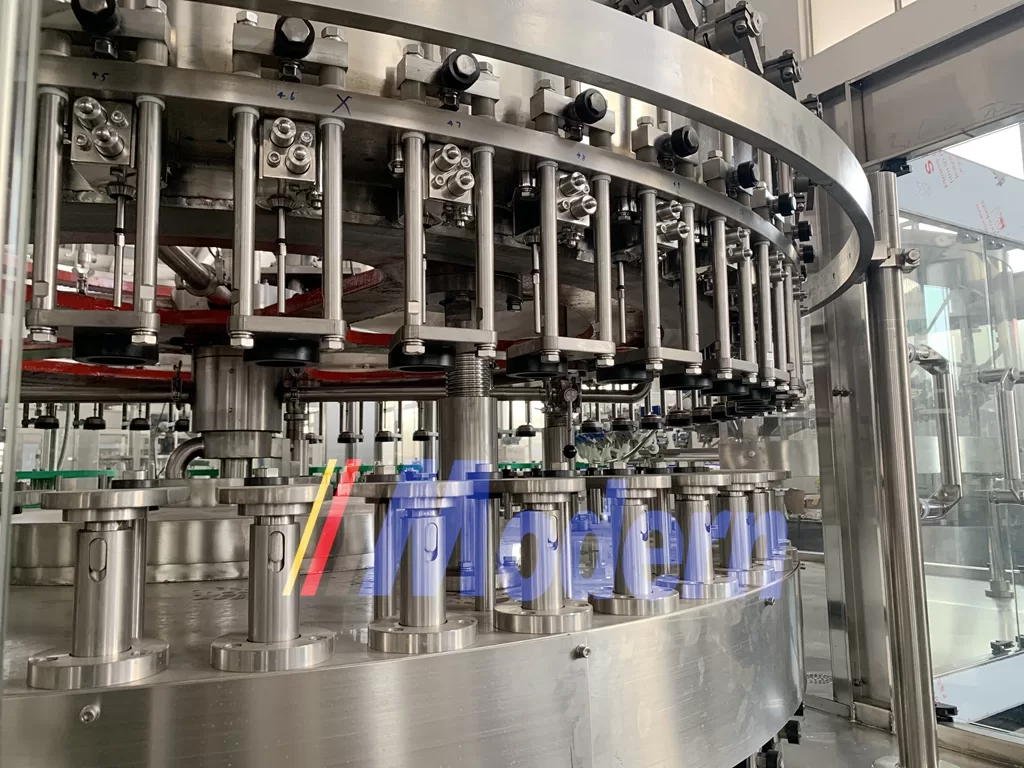
في ظل سوق عالمي يزداد وعياً بالبيئة، برزت عملية تعبئة الزجاجات كخيار موثوق لمختلف الصناعات، بما في ذلك الأغذية والمشروبات، ومستحضرات التجميل، والأدوية. لا يقتصر دور الزجاج على كونه بديلاً مستداماً للبلاستيك فحسب، بل إنه يحافظ أيضاً على سلامة محتوياته بشكل أفضل بكثير من العديد من المواد الأخرى. يستكشف هذا المقال الأبعاد المتعددة لتعبئة الزجاجات، بما في ذلك العملية نفسها، والفوائد التي تقدمها، والتقنيات المستخدمة، وأفضل الممارسات للشركات التي تهدف إلى تعزيز عمليات التعبئة لديها.
فهم عملية تعبئة الزجاجات
في جوهرها، تعد تعبئة الزجاجات عملية دقيقة تتضمن عدة خطوات رئيسية، بدءاً من تحضير الزجاجات وصولاً إلى التعبئة والإغلاق الفعلي. يعد فهم هذه العملية أمراً ضرورياً للشركات التي ترغب في تحسين عملياتها:
1. التحضير والتنظيف
قبل التعبئة، يجب أن تخضع الزجاجات الفارغة لتنظيف شامل لإزالة أي غبار أو بقايا أو ملوثات. الزجاجة النظيفة أمر بالغ الأهمية للحفاظ على جودة المنتج. تستخدم العديد من المنشآت أنظمة غسيل آلية تستخدم نفاثات عالية الضغط وتقنيات التعقيم، مما يضمن أن تكون كل زجاجة في حالة مثالية.
2. تقنيات التعبئة
هناك العديد من تقنيات التعبئة المصممة خصيصاً لتناسب لزوجة وخصائص المنتج الذي يتم تعبئته:
- التعبئة الحجمية: تعد هذه الطريقة مثالية للسوائل، حيث تقوم بقياس وتوزيع حجم محدد من المنتج في كل زجاجة.
- التعبئة القائمة على الوزن: تعد هذه التقنية مناسبة بشكل خاص للسوائل الأكثر كثافة، حيث تقيس وزن المنتج قبل توزيعه.
- تعبئة المكبس: تستخدم هذه الطريقة لكل من السوائل والمنتجات السميكة، وتعتمد على مكبس لسحب وتوزيع المحتويات.
3. الإغلاق والختم
بعد عملية التعبئة، يعد وضع الأغطية والإغلاق أمراً بالغ الأهمية للحفاظ على سلامة المنتج. تتوفر طرق إغلاق متنوعة، بما في ذلك الإغلاق بالتفريغ الهوائي، والسدادات الفلينية، والأغطية اللولبية، حيث يوفر كل منها مستويات متميزة من الحماية ضد التلوث والتلف.
فوائد تعبئة الزجاجات
تفضل الشركات بشكل متزايد الزجاج على البدائل مثل البلاستيك لعدة أسباب مقنعة:
1. الأثر البيئي
الزجاج قابل لإعادة التدوير بنسبة 100%، وأصبح إنتاجه أكثر استدامة مع استثمار المصنعين في عمليات موفرة للطاقة. يقلل استخدام الزجاجات من الاعتماد على البلاستيك المشتق من البترول، مما يمثل خطوة نحو الصداقة للبيئة.
2. سلامة المنتج
لا تطلق الزجاجات مواد كيميائية ضارة في محتوياتها، على عكس بعض أنواع البلاستيك. علاوة على ذلك، فهي توفر حاجزاً لا يمكن اختراقه ضد الأكسجين والرطوبة والضوء، مما يطيل العمر الافتراضي بشكل كبير ويحافظ على جودة المنتج.
3. تصور المستهلك
تنقل الزجاجات شعوراً بالفخامة والجودة. تشير الدراسات إلى أن المستهلكين يعتبرون المنتجات المعبأة في زجاجات أكثر تميزاً، وغالباً ما يبرر ذلك سعراً أعلى. يمكن أن يؤدي هذا التصور إلى زيادة حصة السوق وولاء العملاء.
الابتكارات التكنولوجية في تعبئة الزجاجات
أدت التطورات التكنولوجية إلى تحسين عمليات تعبئة الزجاجات، مما زاد من الكفاءة وقلل من الهدر. تشمل الابتكارات الرئيسية ما يلي:
1. خطوط التعبئة الآلية
أحدث دمج الأتمتة ثورة في عمليات تعبئة الزجاجات. يمكن لخطوط التعبئة الآلية التعامل مع كميات كبيرة، مما يضمن الاتساق والدقة مع تقليل الخطأ البشري. يمكن للشركات مراقبة معدلات الإنتاج وجودة المنتج في الوقت الفعلي، مما يسمح بإجراء تعديلات سريعة.
2. التكنولوجيا الذكية
أثر صعود إنترنت الأشياء (IoT) أيضاً على تعبئة الزجاجات. يمكن لأجهزة الاستشعار الذكية وأنظمة التتبع توفير رؤى قيمة حول عمليات الإنتاج، مثل درجة الحرارة ودقة التعبئة، مما يزيد من الشفافية ويسمح بالصيانة الاستباقية.
3. حلول التعبئة المستدامة
تمهد التقنيات الناشئة الطريق أيضاً لحلول تغليف أكثر استدامة، مثل الزجاجات خفيفة الوزن والأغطية القابلة للتحلل الحيوي. تساعد هذه الابتكارات في تقليل البصمة الكربونية المرتبطة بالنقل ونفايات التغليف.
أفضل الممارسات لتحسين عمليات تعبئة الزجاجات
لتحقيق أقصى قدر من كفاءة عمليات تعبئة الزجاجات وضمان جودة المنتج، يجب على الشركات اتباع أفضل الممارسات التالية:
1. إجراء الصيانة الدورية
تساعد الصيانة الدورية لآلات التعبئة في تحديد المشكلات المحتملة قبل أن تؤدي إلى توقف مكلف للعمل. حافظ على جدول منظم وتأكد من أن جميع الآلات تعمل ضمن المعايير الموصى بها.
2. تدريب الموظفين بفعالية
يمكن أن يؤثر الخطأ البشري بشكل كبير على عمليات التعبئة. يمكن للتدريب الشامل للموظفين الذي يؤكد على أهمية النظافة، وتشغيل الآلات، وفحوصات الجودة أن يحسن الإنتاجية الإجمالية.
3. تقييم العمليات باستمرار
يمكن أن يساعد تنفيذ أساليب مثل مبادئ التصنيع الرشيق في تحديد الممارسات المهدرة وتشجيع التحسين المستمر. قم بتحليل وتكييف عمليات التعبئة بانتظام لتلبية متطلبات السوق المتغيرة والتطورات التكنولوجية.
تحديات تعبئة الزجاجات
على الرغم من فوائدها، تأتي تعبئة الزجاجات مع نصيبها من التحديات:
1. هشاشة الزجاج
الزجاج هش بطبيعته، مما يجعله عرضة للكسر أثناء المناولة والنقل. يجب على الشركات الاستثمار في حلول التغليف المناسبة لتقليل المخاطر وضمان التسليم الآمن.
2. التكاليف الأعلى
يمكن أن يكون إنتاج ونقل الزجاجات أكثر تكلفة مقارنة بالزجاجات البلاستيكية. تحتاج الشركات إلى مراعاة هذه التكاليف عند تسعير منتجاتها، وتحقيق التوازن بين الاستدامة والربحية.
3. الامتثال التنظيمي
يعد الالتزام بالمعايير التنظيمية أمراً حيوياً، خاصة لشركات الأغذية والمشروبات. إن فهم اللوائح المحلية والدولية والامتثال لها يضمن سلامة المنتج ويبني ثقة المستهلك.
مستقبل تعبئة الزجاجات الزجاجية
يبدو مستقبل تعبئة الزجاجات الزجاجية واعداً. فمع تزايد ميل تفضيلات المستهلكين نحو المنتجات المستدامة، من المقرر أن يلعب الزجاج دوراً محورياً. ومن المرجح أن تستمر الابتكارات في إنتاج الزجاج، إلى جانب تقنيات التعبئة الأكثر كفاءة، في تشكيل ملامح هذه الصناعة.
علاوة على ذلك، ومع إدراك الشركات لأهمية الشفافية والاستدامة، فقد تتبنى بشكل متزايد الحلول الزجاجية كجزء من مبادرات المسؤولية الاجتماعية للشركات الأوسع نطاقاً. سيصب هذا التحول في نهاية المطاف في مصلحة البيئة والشركات التي تهدف إلى الاستمرارية في سوق تنافسية.
الخلاصة
إن تعبئة الزجاجات الزجاجية هي أكثر من مجرد وسيلة للتغليف؛ فهي جانب لا يتجزأ من العديد من الصناعات التي تتطلب الاستدامة والجودة. فمن خلال فهم العملية واعتماد أفضل الممارسات والاستفادة من التطورات التكنولوجية، يمكن للشركات تحسين عمليات تعبئة الزجاجات لديها لتحقيق الكفاءة وسلامة المنتج في آن واحد. ومع استمرار تحول توجهات المستهلكين نحو حلول أكثر صداقة للبيئة، فإن تبني تعبئة الزجاج لن يلبي المتطلبات الحالية فحسب، بل سيضع أيضاً الأساس للنجاح المستقبلي في سوق دائم التطور.


