
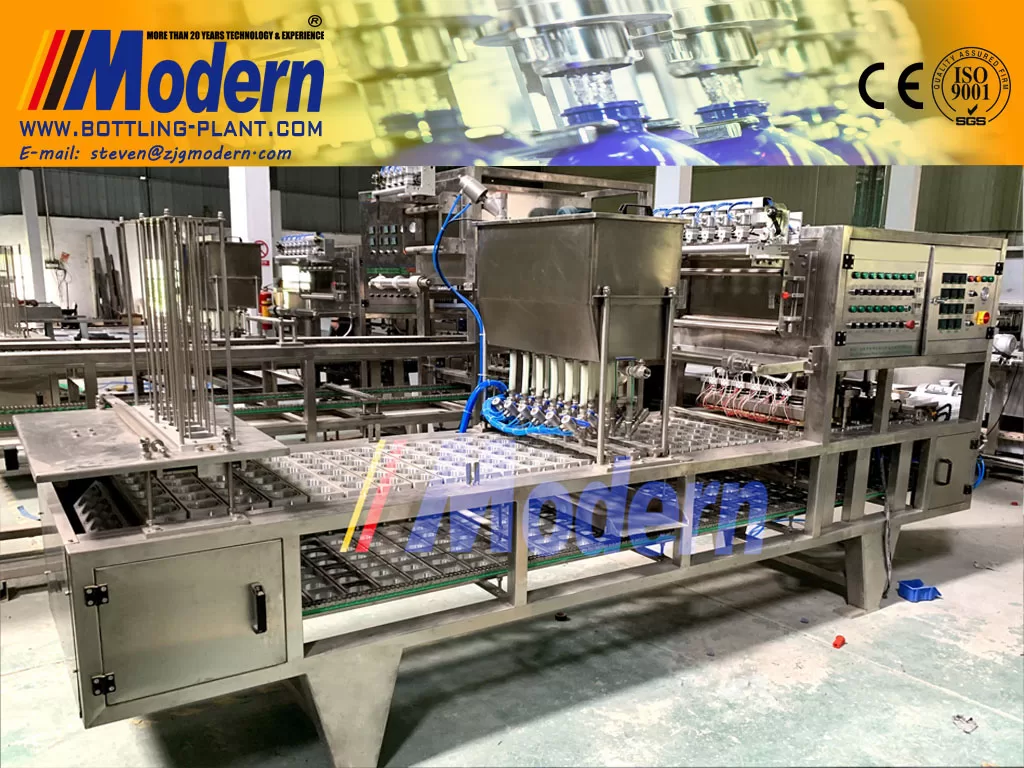
لقد دفع الطلب العالمي على مياه الشرب الآمنة والمريحة الشركات إلى استكشاف حلول مبتكرة تضمن توزيع المياه بكفاءة ونظافة. ومن بين هذه الحلول، تلعب آلات تعبئة أكواب المياه دوراً حيوياً في توفير المشروبات الجاهزة للشرب في مجموعة لا حصر لها من الأماكن، بدءاً من الفعاليات المزدحمة ومتاجر التجزئة، وصولاً إلى المطاعم واستراحات المكاتب. سيتناول هذا المقال بعمق الجوانب الوظيفية، والأنواع، والمزايا، والاعتبارات الواجب مراعاتها عند الشراء، ودور هذه الآلات في مختلف القطاعات.
فهم آلات تعبئة أكواب المياه
تم تصميم آلة تعبئة أكواب المياه لتعبئة الأكواب بالمياه أو المشروبات الأخرى تلقائياً وبسرعات عالية، مع ضمان الحد الأدنى من التلوث وأقصى درجات الدقة. يمكن لهذه الآلات أن تعمل بشكل مستقل أو يتم دمجها في خطوط إنتاج أكبر، مما يساهم في تبسيط عملية توزيع المشروبات وتعزيز الكفاءة التشغيلية الإجمالية.
المكونات الرئيسية
تتكون آلات تعبئة أكواب المياه من عدة مكونات حيوية تساهم في أدائها الوظيفي:
- رأس التعبئة: الفوهة التي يتم من خلالها توزيع المياه في الكوب. تم تصميم هذا المكون بدقة، وغالباً ما يتميز بتصميم يقلل من تناثر المياه.
- موزع الأكواب: آلية أوتوماتيكية توفر الأكواب الفارغة بطريقة محكومة إلى محطة التعبئة.
- لوحة التحكم: تحتوي على نظام التشغيل، مما يسمح للمستخدمين بضبط المعايير، ومراقبة الأداء، واستكشاف الأخطاء وإصلاحها.
- نظام النقل: إذا كان النظام جزءاً من خط إنتاج أكبر، يمكن للناقل تسهيل حركة الأكواب من محطات التعبئة إلى وحدات التغليف.
- ميزات النظافة: تشمل هذه الميزات التعقيم بالأشعة فوق البنفسجية، وأنظمة ترشيح متنوعة، ومواد تمنع التلوث البكتيري.
أنواع آلات تعبئة أكواب المياه
تأتي آلات تعبئة أكواب المياه في نماذج متنوعة مصممة لتلبية احتياجات وقدرات إنتاجية مختلفة. فيما يلي بعض الأنواع الرئيسية:
آلات التعبئة اليدوية
يتطلب هذا النوع تدخلاً بشرياً لوضع الأكواب وبدء عملية التعبئة. وعلى الرغم من أنها تتطلب جهداً يدوياً، إلا أن هذه الآلات يمكن أن تكون فعالة من حيث التكلفة للعمليات الصغيرة أو الفعاليات.
آلات التعبئة شبه الأوتوماتيكية
تسمح هذه الآلات بمستوى معين من الأتمتة مع الاعتماد على العمالة اليدوية للوظائف الدقيقة، مثل محاذاة الأكواب. وهي بمثابة جسر للشركات التي تسعى للانتقال من الأنظمة اليدوية إلى الأنظمة الأوتوماتيكية بالكامل.
آلات التعبئة الأوتوماتيكية بالكامل
تعد آلات التعبئة الأوتوماتيكية بالكامل النوع الأكثر تقدماً، حيث يمكنها معالجة عدد هائل من الأكواب مع ضمان الدقة والحد الأدنى من التدخل البشري. وهي تتكامل مع أنظمة أخرى، مثل خطوط وضع الملصقات والتغليف، مما يجعلها مثالية للإنتاج على نطاق واسع.
فوائد استخدام آلات تعبئة أكواب المياه
هناك العديد من المزايا لدمج آلات تعبئة أكواب المياه في استراتيجية التوزيع الخاصة بك:
زيادة الكفاءة
تؤدي أتمتة عملية التعبئة إلى تقليل الوقت اللازم لتوزيع المشروبات بشكل كبير، مما يسمح للشركات بالتعامل مع كميات أكبر بسهولة. وتعد هذه الكفاءة أمراً بالغ الأهمية في البيئات ذات الإقبال المرتفع.
الاتساق والدقة
بفضل التكنولوجيا المتقدمة، تضمن هذه الآلات تعبئة كل كوب بمستوى محدد مسبقاً، مما يحافظ على اتساق الحجم المقدم ويقلل من الهدر. هذه الدقة ضرورية للشركات التي تهدف إلى تلبية المعايير التنظيمية وتوقعات العملاء.
تعزيز النظافة
تم تصميم الآلات الحديثة مع مراعاة النظافة، حيث تتضمن ميزات تحد من التلامس البشري مع المنتج وتمنع التلوث. هذا الانخفاض في المخاطر يدعم معايير صحية وسلامة أعلى، وهو أمر مهم بشكل خاص في الأماكن العامة.
توفير التكاليف
على الرغم من أن الاستثمار الأولي قد يكون كبيراً، إلا أن وفورات التكلفة طويلة الأجل الناتجة عن تقليل العمالة، وزيادة سرعة الإنتاج، وتقليل هدر المنتج يمكن أن تفوق التكاليف الأولية بكثير، مما يحقق عائداً إيجابياً على الاستثمار (ROI).
اعتبارات رئيسية عند اختيار آلة تعبئة أكواب المياه
عند البحث عن آلة تعبئة أكواب المياه، يجب أن توجه عدة عوامل عملية اتخاذ القرار لضمان توافق النموذج المختار مع احتياجات العمل:
حجم الإنتاج
يعد تقييم الطلب اليومي على الأكواب المعبأة أمراً ضرورياً. قد تستفيد المؤسسات الصغيرة من الآلات شبه الأوتوماتيكية، في حين يجب على الشركات الكبيرة أو تلك التي تتوقع نمواً التفكير في الخيارات الأوتوماتيكية بالكامل.
قيود المساحة
عند اختيار آلة، قم بتقييم المساحة المتاحة في منشأتك. يمكن أن تكون بعض الآلات كبيرة الحجم؛ لذا فإن فهم الأبعاد ومساحة التشغيل أمر بالغ الأهمية للدمج الناجح.
الصيانة والدعم
يعد تقييم سمعة الشركة المصنعة من حيث الخدمة والدعم أمراً حيوياً. تتطلب الآلات تنظيفاً وصيانة دورية، ويمكن أن يؤدي الوصول إلى خدمة عملاء موثوقة إلى تقليل وقت التوقف عن العمل وإطالة عمر الآلة.
التخصيص والميزات
قد تكون الميزات المتقدمة مثل دقة التعبئة، وأدوات التحكم في السرعة، وقدرات التعقيم ضرورية اعتماداً على التطبيق المحدد أو معايير الصناعة. ضع في اعتبارك متطلباتك التشغيلية الفريدة عند اختيار الآلة.
التطبيقات عبر الصناعات
تتميز آلات تعبئة أكواب المياه بتعدد استخداماتها وتخدم قطاعات متعددة، ولكل منها سياقات استخدام متميزة:
الفعاليات وتقديم الطعام
في الفعاليات الخارجية والتجمعات التي تتطلب تقديم الطعام، يمكن أن يؤدي وجود محطات مشروبات سهلة الوصول إلى تحسين تجربة الضيوف بشكل كبير. تعمل آلات تعبئة أكواب المياه على تبسيط حلول الترطيب مع تقليل عبء العمل على الموظفين.
متاجر التجزئة والمتاجر الصغيرة
يمكن لهذه الآلات توفير أكواب مياه معبأة مسبقاً، مما يعزز راحة العملاء ويشجع على زيادة عمليات الشراء العفوية. كما أنها تعد خياراً جذاباً للمستهلكين المهتمين بالبيئة والذين يبحثون عن حلول مستدامة للمشروبات.
خدمات الطعام والضيافة
يمكن للمطاعم الاستفادة من وجود هذه الآلات لتقديم المياه بسرعة خلال أوقات الذروة، مما يتيح لموظفي الخدمة التركيز على مهام أكثر تعقيداً وتحسين رضا العملاء.
البيئات الصناعية والمكتبية
من خلال توفير وصول مريح لمياه الشرب، يمكن للمكاتب تعزيز شرب المياه بين الموظفين، مما قد يؤدي إلى زيادة الإنتاجية وتحسين رفاهية مكان العمل بشكل عام.
الاتجاهات والابتكارات المستقبلية
مع تقدم التكنولوجيا، من المرجح أن تشكل الاتجاهات الناشئة مستقبل آلات تعبئة أكواب المياه. تشمل الابتكارات الرئيسية المتوقع أن تؤثر على الصناعة ما يلي:
تكامل التكنولوجيا الذكية
مع صعود التقنيات الذكية، توقع رؤية المزيد من الآلات المجهزة بقدرات إنترنت الأشياء (IoT)، مما يسمح بالمراقبة عن بُعد، والتشخيص، وفحوصات المخزون الآلية. يمكن للمستخدمين تتبع مقاييس الأداء ومنع الأخطاء المحتملة قبل وقوعها.
المبادرات البيئية
مع التزام الشركات بالاستدامة، قد تركز النماذج المستقبلية بشكل أكبر على استخدام مواد قابلة لإعادة التدوير وعمليات موفرة للطاقة، بما يتماشى مع الطلب المتزايد على الممارسات الصديقة للبيئة.
الروبوتات المتقدمة
تعد الروبوتات في التصنيع مجالاً سريع التطور. قد تدمج الآلات المستقبلية أنظمة روبوتية متقدمة للتعامل الدقيق مع الأكواب، مما يقلل بشكل أكبر من الخطأ البشري وتكاليف العمالة.
الخلاصة
يمثل الاستثمار في آلة تعبئة أكواب المياه فرصة كبيرة للشركات في مختلف القطاعات لتعزيز عروض المشروبات الخاصة بها بفعالية. ومن خلال الفهم الشامل للأنواع والفوائد والاعتبارات والاتجاهات المستقبلية، يمكن للشركات اتخاذ قرارات مستنيرة تتماشى مع أهدافها التشغيلية، مما يؤدي في النهاية إلى تحسين جودة الخدمة والربحية في سوق دائم التطور.
مع تغير تفضيلات المستهلكين واستمرار التقدم التكنولوجي، سيلعب التنفيذ الاستراتيجي لآلات تعبئة أكواب المياه بلا شك دوراً محورياً في تلبية متطلبات المستهلكين المعاصرين. إن دمج هذه الآلات في نموذج عملك ليس مجرد اتجاه عابر؛ بل هو خطوة نحو تأمين العمليات للمستقبل وتلبية الاحتياجات المجتمعية للكفاءة والنظافة وسهولة الوصول.


