
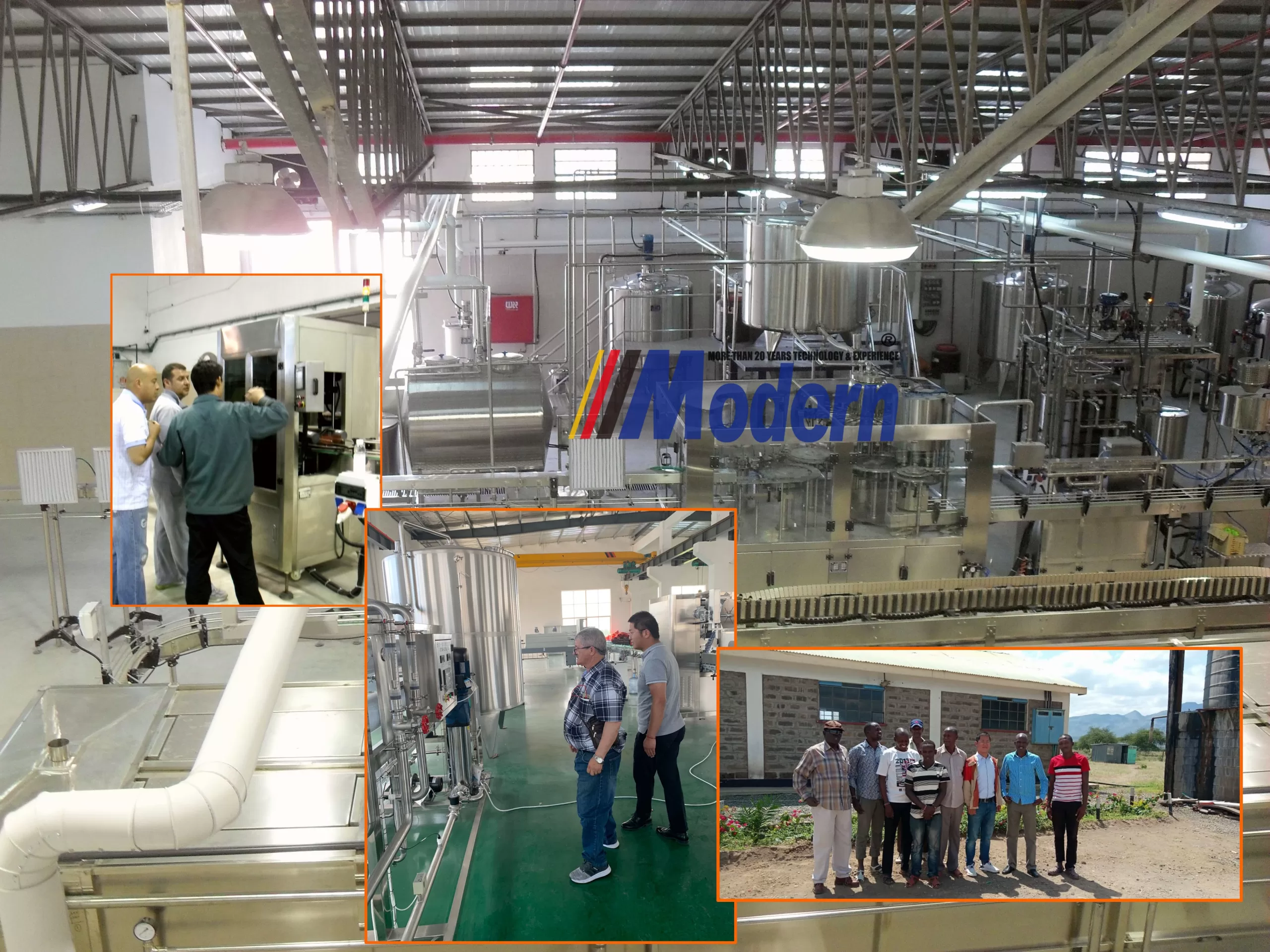
في عالم إنتاج المشروبات سريع الخطى، تعتبر الكفاءة والجودة من أهم الأولويات. ومن أكثر الحلول فعالية لتحقيق هذه الأهداف هو تنفيذ خط تعبئة جاهز (Turnkey). يتعمق هذا المقال في تفاصيل خطوط التعبئة الجاهزة، ويستكشف مكوناتها وفوائدها والاعتبارات الأساسية للشركات التي تتطلع إلى الاستثمار في مثل هذه الأنظمة.
ما هو خط التعبئة الجاهز (Turnkey)؟
يشير خط التعبئة الجاهز إلى حل تعبئة متكامل يتم تصميمه وتركيبه وتشغيله بواسطة المورد. يشمل هذا النظام جميع المعدات والعمليات اللازمة لتعبئة المشروبات، بدءاً من التحضير الأولي للسوائل وصولاً إلى التعبئة النهائية. مصطلح “جاهز” (Turnkey) يعني أن المشتري يمكنه “إدارة المفتاح” وبدء الإنتاج فور التركيب، مع الحد الأدنى من الإعداد أو العمل الإضافي المطلوب.
مكونات خط التعبئة الجاهز
يعد فهم مكونات خط التعبئة الجاهز أمراً بالغ الأهمية لأي شركة تفكر في هذا الاستثمار. يتضمن خط التعبئة الجاهز النموذجي العناصر التالية:
1. أنظمة تحضير السوائل
قبل التعبئة، غالباً ما يجب تحضير السوائل ومعالجتها. قد يتضمن ذلك الترشيح، أو البسترة، أو الخلط، أو الكربنة، اعتماداً على نوع المشروب. تضمن أنظمة تحضير السوائل المتقدمة أن المنتج يلبي معايير السلامة والجودة.
2. آلات التعبئة
تعتبر آلات التعبئة جوهر أي خط تعبئة. وتأتي في أنواع مختلفة، بما في ذلك حشوات الجاذبية، وحشوات الضغط، وحشوات الفراغ، وكل منها مناسب لأنواع مختلفة من المشروبات. يؤثر اختيار آلة التعبئة على سرعة ودقة وجودة عملية التعبئة.
3. معدات الإغلاق والختم
بعد التعبئة، يجب إغلاق الزجاجات للحفاظ على سلامة المنتج. تقوم آلات الإغلاق بتثبيت الأغطية أو السدادات بإحكام، بينما تضمن آلات الختم أن تكون الحاويات محكمة الإغلاق. هذه المرحلة حاسمة لمنع التلوث وإطالة العمر الافتراضي للمنتج.
4. آلات وضع الملصقات
تعد الملصقات جانباً أساسياً من عملية التعبئة. تقوم آلات وضع الملصقات الآلية بوضع الملصقات بدقة وكفاءة، مما يضمن الامتثال للمتطلبات التنظيمية ويعزز ظهور العلامة التجارية. يمكن أن يختلف اختيار تقنية وضع الملصقات من الملصقات الحساسة للضغط إلى الأغلفة المنكمشة.
5. أنظمة التعبئة والتغليف والترصيص (Palletizing)
بمجرد تعبئة الزجاجات وإغلاقها ووضع الملصقات عليها، يجب تعبئتها للتوزيع. يمكن أن تشمل أنظمة التعبئة والتغليف التغليف بالانكماش، وتعبئة الكرتون، ومعدات الترصيص، التي تنظم المنتجات للتخزين والنقل بكفاءة.
فوائد خطوط التعبئة الجاهزة
يوفر اعتماد خط تعبئة جاهز فوائد عديدة لمصنعي المشروبات:
1. زيادة الكفاءة
تعمل خطوط التعبئة الجاهزة على تبسيط عملية التعبئة بأكملها، مما يقلل من وقت التوقف عن العمل ويحسن الكفاءة العامة. من خلال دمج وظائف متعددة في نظام واحد، يمكن للمصنعين تحقيق معدلات إنتاج أعلى وأوقات إنجاز أسرع.
2. فعالية التكلفة
يمكن أن يكون الاستثمار في حل جاهز أكثر فعالية من حيث التكلفة من شراء آلات فردية. غالباً ما يؤدي النهج المجمع إلى انخفاض تكاليف التركيب والصيانة، بالإضافة إلى تقليل نفقات العمالة بسبب الأتمتة.
3. مراقبة الجودة
تم تصميم خطوط التعبئة الجاهزة مع وضع مراقبة الجودة في الاعتبار. تقلل الأنظمة الآلية من الخطأ البشري، مما يضمن جودة ثابتة للمنتج. يمكن لتقنيات المراقبة المتقدمة اكتشاف المشكلات في الوقت الفعلي، مما يسمح باتخاذ إجراءات تصحيحية فورية.
4. التخصيص
يقدم العديد من مزودي خطوط التعبئة الجاهزة حلولاً قابلة للتخصيص مصممة خصيصاً لاحتياجات إنتاج محددة. تتيح هذه المرونة للشركات تكييف خطوط التعبئة الخاصة بها لاستيعاب أنواع مختلفة من المشروبات، وأحجام الزجاجات، وأحجام الإنتاج.
5. القابلية للتوسع
مع نمو الشركات، غالباً ما تتغير احتياجات الإنتاج الخاصة بها. يمكن توسيع نطاق خطوط التعبئة الجاهزة أو تعديلها لتلبية الطلبات المتزايدة، مما يجعلها استثماراً مستداماً طويل الأجل.
اعتبارات رئيسية عند اختيار خط تعبئة جاهز
في حين أن فوائد خطوط التعبئة الجاهزة واضحة، فإن اختيار النظام المناسب يتطلب دراسة متأنية. إليك العوامل الرئيسية التي يجب وضعها في الاعتبار:
1. الطاقة الإنتاجية
قم بتقييم احتياجات الإنتاج الحالية والمستقبلية. يجب أن يكون خط التعبئة المختار قادراً على التعامل مع مخرجاتك المطلوبة دون المساس بالجودة أو الكفاءة.
2. نوع المشروب
تتطلب المشروبات المختلفة عمليات تعبئة مختلفة. ضع في اعتبارك المتطلبات المحددة لمنتجك، مثل اللزوجة، والكربنة، والعمر الافتراضي، عند اختيار حل جاهز.
3. المساحة والتخطيط
قم بتقييم المساحة المتاحة في منشأتك. يمكن أن تختلف خطوط التعبئة الجاهزة في الحجم، لذا من الضروري


