
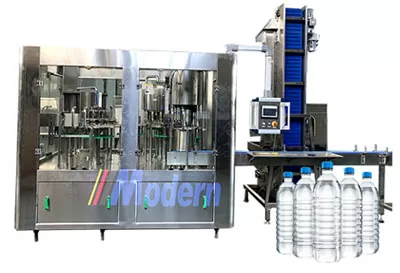
تعد صناعة المشروبات قطاعاً ديناميكياً وسريع التطور، يواصل جذب المستهلكين والمستثمرين على حد سواء. وفي قلب هذه الصناعة تكمن شبكة معقدة من العمليات المصممة لضمان تعبئة المشروبات بكفاءة وفعالية. وتلعب خطوط التعبئة، على وجه الخصوص، دوراً محورياً في الحفاظ على جودة المنتج مع تحسين كفاءة الإنتاج. يتعمق هذا المقال في الجوانب المختلفة لخطوط تعبئة المشروبات، ويقدم رؤى وأفضل الممارسات وتوصيات للشركات التي تهدف إلى الازدهار في هذا المشهد التنافسي.
فهم خطوط تعبئة المشروبات
تشير خطوط تعبئة المشروبات إلى مجموعة الآلات والمعدات المستخدمة لتعبئة المشروبات - سواء كانت مياهاً أو مشروبات غازية أو عصائر أو مشروبات كحولية - في عبواتها النهائية. تتضمن عملية التعبئة عدة مراحل رئيسية، بما في ذلك الشطف، والتعبئة، والإغلاق، ووضع الملصقات، والتغليف. كل مرحلة حيوية لضمان بقاء المشروب آمناً للاستهلاك وتلبية معايير الجودة المتوقعة.
أهمية خطوط التعبئة الفعالة
تعد الكفاءة في عمليات التعبئة أمراً بالغ الأهمية لعدة أسباب:
1. خفض التكاليف
تعمل عمليات التعبئة المبسطة على تقليل تكاليف العمالة والطاقة، مما يؤثر بشكل إيجابي على ميزانية الإنتاج الإجمالية. كما يقلل الخط الفعال من الوقت المستغرق في كل مرحلة، مما يؤدي إلى زيادة الإنتاج وخفض النفقات العامة.
2. ضمان الجودة
يضمن تنفيذ الآلات المتقدمة وتقنيات الأتمتة تعبئة المشروبات وفقاً لمعايير صحية صارمة. وهذا أمر بالغ الأهمية ليس فقط للامتثال التنظيمي، ولكن أيضاً لبناء ثقة المستهلك في سلامة المنتج وجودته.
3. المرونة وقابلية التوسع
يمكن لخط التعبئة المصمم جيداً التكيف مع متطلبات السوق المتغيرة، مما يسمح للشركات بزيادة أو تقليل الإنتاج حسب الحاجة. وتعد هذه المرونة مفتاحاً في صناعة يمكن أن تتغير فيها تفضيلات المستهلك بشكل كبير خلال فترات قصيرة.
المكونات الرئيسية لخط التعبئة
يتكون خط تعبئة المشروبات الشامل من عدة مكونات أساسية تعمل بانسجام لتحقيق الأداء الأمثل:
1. محطات الشطف
قبل التعبئة، يجب شطف الحاويات جيداً للتخلص من الملوثات. تستخدم محطات الشطف نفاثات مياه عالية الضغط أو محاليل شطف، مما يضمن نظافة كل زجاجة وجاهزيتها للمرحلة التالية.
2. آلات التعبئة
تعد آلات التعبئة جوهر عملية التعبئة. فهي تقوم بتوزيع المشروب بدقة في الحاويات، مما يضمن الاتساق ويقلل من الانسكاب. واعتماداً على نوع المشروب، تتوفر خيارات تعبئة متنوعة، بما في ذلك أنظمة التعبئة بالجاذبية، والتفريغ، والضغط.
3. معدات الإغلاق والختم
بمجرد تعبئتها، تحتاج الزجاجات إلى إغلاق محكم. يمكن لآلات الإغلاق التعامل مع أنواع مختلفة من الأغطية، من الأغطية اللولبية إلى الفلين، اعتماداً على متطلبات المنتج. يعد الإغلاق المناسب أمراً بالغ الأهمية للحفاظ على النضارة ومنع التسرب.
4. وضع الملصقات والتغليف
يوفر وضع الملصقات معلومات أساسية حول المنتج ويعزز التعرف على العلامة التجارية. يمكن لآلات وضع الملصقات الحديثة وضع الملصقات بكفاءة ودقة، مما يضمن التصاقها بشكل صحيح بكل حاوية. بعد وضع الملصقات، غالباً ما يتم تجميع المنتجات المعبأة في صناديق أو منصات للشحن.
5. أنظمة مراقبة الجودة
تعد مراقبة الجودة مكوناً حاسماً في منع وصول المنتجات المعيبة إلى المستهلكين. يمكن أن يضمن تنفيذ آلات الفحص الآلي التي تتحقق من مستويات التعبئة، وموضع الملصق، وسلامة الزجاجة أن جميع المنتجات تلبي المعايير المحددة.
اختيار معدات خط التعبئة المناسبة
يتطلب اختيار الآلات المناسبة لخط تعبئة المشروبات دراسة متأنية لعوامل مختلفة:
1. حجم الإنتاج
يؤثر حجم عمليتك بشكل كبير على خيارات المعدات الخاصة بك. قد يستفيد المنتجون ذوو الحجم الكبير من الأنظمة الآلية المتقدمة، بينما قد تختار العمليات الأصغر آلات شبه آلية.
2. نوع المشروب
تتطلب المشروبات المختلفة عمليات مناولة وتعبئة مختلفة. على سبيل المثال، تحتاج المشروبات الغازية إلى معدات تعبئة متخصصة تستوعب الضغط، بينما قد تتطلب المنتجات الهشة، مثل العصائر، عمليات مناولة لطيفة.
3. قيود الميزانية
يمكن أن تختلف تكلفة المعدات بشكل كبير. من الضروري موازنة ميزانيتك مع احتياجاتك التشغيلية، واستكشاف خيارات التمويل إذا لزم الأمر للحصول على أفضل الآلات دون المساومة على الجودة.
4. قابلية التوسع المستقبلية
يجب ألا يلبي خط التعبئة الخاص بك المتطلبات الحالية فحسب، بل يجب أن يسمح أيضاً بالنمو المستقبلي. يمكن أن يوفر الاستثمار في الأنظمة المعيارية المرونة اللازمة للتكيف مع تغيرات السوق.
أفضل الممارسات لتشغيل خط التعبئة
بمجرد وضع المعدات المناسبة في مكانها، يمكن أن يؤدي تنفيذ أفضل الممارسات إلى تعزيز كفاءة وجودة عمليات التعبئة الخاصة بك:
1. الصيانة الدورية
تعد الصيانة المستمرة للآلات أمراً ضرورياً. يمكن لفحوصات الصيانة المجدولة منع فترات التوقف المكلفة وضمان عمل جميع المعدات بكفاءة.
2. تدريب الموظفين
يجب تدريب العمال بدقة على الآلات والعمليات. يمكن للموظفين المطلعين الاستجابة بسرعة لأي مشكلات تنشأ والحفاظ على معايير إنتاج عالية.
3. المراقبة وتحليل البيانات
سيساعد استخدام أنظمة المراقبة لجمع البيانات حول معدلات الإنتاج والكفاءة في تحديد مجالات التحسين. يمكن أن يوجه تحليل هذه البيانات القرارات المتعلقة بتعديلات العمليات أو ترقيات المعدات.
4. بروتوكولات السلامة
يجب الالتزام الصارم بلوائح السلامة من أجل حماية كل من الموظفين والمنتجات. تأكد من وضع جميع تدابير السلامة في مكانها الصحيح وأن الموظفين مدربون على اتباع هذه البروتوكولات.
الابتكار في تكنولوجيا التعبئة
تعيد التطورات في تكنولوجيا التعبئة تشكيل مشهد صناعة المشروبات باستمرار. إليك بعض الابتكارات الجديرة بالملاحظة:
1. الأتمتة والروبوتات
تُحدث الأنظمة الآلية ثورة في خطوط التعبئة، مما يزيد من السرعة والكفاءة. يمكن للروبوتات التعامل مع المهام التي تتراوح من التجميع على منصات إلى ضمان الجودة، مما يقلل من تكاليف العمالة ويعزز الاتساق.
2. دمج التكنولوجيا الذكية
يتم دمج المستشعرات الذكية وأجهزة إنترنت الأشياء (IoT) في خطوط التعبئة لتوفير بيانات في الوقت الفعلي حول أداء المعدات ومقاييس الإنتاج، مما يسمح بالإدارة الاستباقية واستكشاف الأخطاء وإصلاحها.
3. حلول صديقة للبيئة
مع تزايد أهمية الاستدامة للمستهلكين، تتطور خطوط التعبئة لاستخدام طاقة أقل، وتقليل النفايات، ودمج مواد قابلة لإعادة التدوير في التغليف، بما يتماشى مع الممارسات الصديقة للبيئة.
الخلاصة
يعد الاستثمار في خط تعبئة فعال أمراً بالغ الأهمية للشركات في صناعة المشروبات التي تتطلع إلى تعزيز الإنتاجية، وخفض التكاليف، وضمان سلامة منتجاتها. من خلال فهم مكونات وعمليات خطوط التعبئة، وتنفيذ أفضل الممارسات، وتبني الابتكار، يمكن للمنتجين البقاء في المنافسة وتلبية احتياجات المستهلكين المتغيرة باستمرار. ومع استمرار نمو السوق، فإن أولئك الذين يعطون الأولوية للكفاءة والجودة والاستدامة لن يكتفوا بالبقاء فحسب، بل سيزدهرون في هذه الصناعة الحيوية.


