
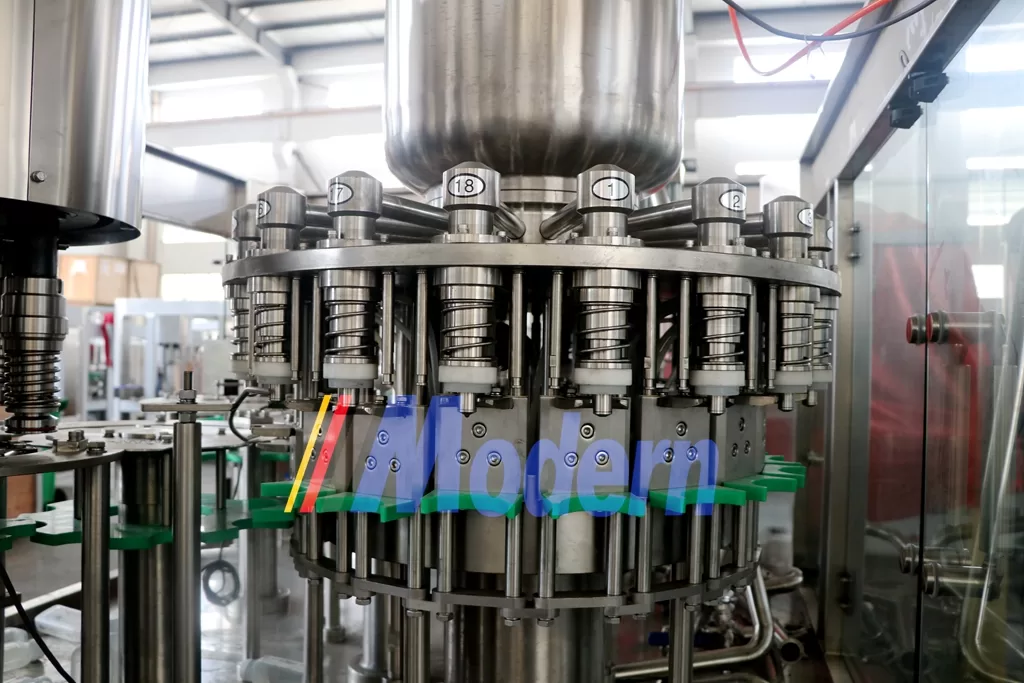
في السنوات الأخيرة، شهدت صناعة المشروبات نمواً هائلاً، مما أدى إلى زيادة الطلب على حلول تعبئة فعالة. وباعتبارها جزءاً أساسياً في سلسلة الإنتاج، تلعب آلات تعبئة زجاجات PET (البولي إيثيلين تيريفثاليت) دوراً حيوياً في ضمان سلاسة العمليات في تصنيع المشروبات. يقدم هذا المقال نظرة شاملة على آلات تعبئة زجاجات PET، بما في ذلك أنواعها ووظائفها ومميزاتها ونصائح لاختيار الآلات المناسبة لاحتياجات الإنتاج الخاصة بك.
ما هي آلات تعبئة زجاجات PET؟
آلات تعبئة زجاجات PET هي معدات متخصصة مصممة لتعبئة وإغلاق وتغليف السوائل في زجاجات مصنوعة من مادة PET. ونظراً لخصائصها المتمثلة في خفة الوزن والمتانة وقابلية إعادة التدوير، أصبحت مادة PET هي المادة المفضلة لحاويات المشروبات. يمكن لهذه الآلات التعامل مع مجموعة متنوعة من السوائل، بما في ذلك المياه والعصائر والمشروبات الغازية والمشروبات الكحولية، مما يضمن تلبية المنتجات لتفضيلات المستهلكين المتنوعة والمعايير التنظيمية.
أهمية آلات تعبئة زجاجات PET في إنتاج المشروبات
لا يمكن المبالغة في أهمية آلات تعبئة زجاجات PET، خاصة في بيئة إنتاج المشروبات سريعة الوتيرة. فيما يلي عدة أسباب رئيسية تجعل الاستثمار في آلات تعبئة زجاجات PET عالية الجودة أمراً ضرورياً:
1. تعزيز الكفاءة: تم تصميم آلات تعبئة زجاجات PET الحديثة للعمل بسرعات عالية، مما يقلل بشكل كبير من وقت الإنتاج ويزيد من الإنتاجية الإجمالية. كما تتيح إمكانيات التغيير السريع للمصنعين التبديل بين المنتجات المختلفة بأقل قدر من وقت التوقف عن العمل.
2. الاتساق والدقة: تضمن تقنيات التعبئة المتقدمة تعبئة كل زجاجة بدقة، مما يقلل من هدر المنتج ويضمن الالتزام بمواصفات الحجم. تعزز هذه الدقة ثقة المستهلك، حيث يتوقع العملاء التوحيد في المنتجات المعبأة.
3. مراقبة الجودة: تأتي العديد من آلات تعبئة زجاجات PET مجهزة بأنظمة متكاملة لمراقبة الجودة تقوم بمراقبة مستويات التعبئة، واكتشاف التسريبات، وضمان الإغلاق السليم. تقلل هذه الوظيفة من مخاطر تلوث المنتج وتضمن وصول المنتجات عالية الجودة فقط إلى السوق.
4. التخصيص: يمكن تصميم آلات تعبئة زجاجات PET لتلائم أحجام وأشكال وأنواع مختلفة من الزجاجات، مما يسمح للمصنعين بإنتاج مجموعة متنوعة من المنتجات مع تحسين خط الإنتاج الخاص بهم.
أنواع آلات تعبئة زجاجات PET
تلبي أنواع مختلفة من آلات تعبئة زجاجات PET الاحتياجات المختلفة لمصنعي المشروبات. يمكن أن يساعدك فهم هذه الأنواع في اختيار المعدات المناسبة لعملياتك:
1. آلات التعبئة بالجاذبية
تستخدم حشوات الجاذبية الجاذبية لتوزيع السوائل في الزجاجات. يُستخدم هذا النوع من معدات التعبئة عادةً للمشروبات التي تحتوي على القليل من الكربنة أو لا تحتوي عليها على الإطلاق، مثل الماء والعصير. تتميز حشوات الجاذبية بسهولة التشغيل والصيانة، مما يجعلها خياراً شائعاً لخطوط الإنتاج الصغيرة والمتوسطة.
2. آلات التعبئة بالضغط
تستخدم حشوات الضغط الضغط لدفع السوائل إلى الزجاجات. تعتبر هذه الطريقة مثالية للمشروبات الغازية، لأنها تسمح للمصنعين بالحفاظ على كربنة المنتج أثناء عملية التعبئة. تضمن حشوات الضغط تعبئة أكثر اتساقاً وهي مناسبة لخطوط الإنتاج عالية السرعة.
3. آلات التعبئة بالتفريغ (الفراغ)
في أنظمة التعبئة بالتفريغ، يُستخدم ضغط الهواء لخلق فراغ يسحب السائل إلى الزجاجة. تقلل هذه التقنية من مخاطر الانسكاب وتسمح بالتعبئة الدقيقة. غالباً ما تُستخدم حشوات التفريغ للمنتجات الحساسة مثل الصلصات والعصائر التي تتطلب حماية من الأكسدة.
4. آلات التعبئة المعقمة
تم تصميم أنظمة التعبئة المعقمة للمنتجات التي تتطلب فترة صلاحية طويلة دون تبريد. تضمن هذه الآلات حدوث عمليات التعبئة والتغليف في بيئة معقمة، مما يمنع التلوث. تعتبر الحشوات المعقمة ضرورية لمنتجات الألبان وبعض العصائر.
الميزات الرئيسية التي يجب مراعاتها عند اختيار آلات تعبئة زجاجات PET
يتضمن اختيار آلات تعبئة زجاجات PET المناسبة مراعاة العديد من الميزات الرئيسية التي يمكن أن تؤثر على كفاءة الإنتاج وجودة المنتج:
1. السرعة والقدرة الإنتاجية
قم بتقييم سرعة آلة التعبئة فيما يتعلق باحتياجات الإنتاج الخاصة بك. من الضروري اختيار آلات يمكنها مواكبة مخرجاتك المطلوبة لضمان الكفاءة التشغيلية وتلبية طلب المستهلك.
2. التنوع
إذا كان خط الإنتاج الخاص بك يتطلب مرونة لاستيعاب أنواع متعددة من المنتجات، ففكر في الآلات التي توفر إعدادات قابلة للتعديل لأحجام الزجاجات وأحجام التعبئة المختلفة. تقلل الآلات متعددة الاستخدامات من الحاجة إلى معدات متخصصة لكل منتج.
3. سهولة التشغيل
اختر آلات تعبئة زجاجات PET سهلة الاستخدام ومباشرة في التشغيل. ابحث عن عناصر تحكم بديهية وشاشات رقمية تسهل المراقبة والتعديلات السهلة. تقلل سهولة التشغيل هذه من وقت تدريب الموظفين وتتيح استجابات سريعة لمشاكل الإنتاج.
4. الصيانة والدعم
ضع في اعتبارك متطلبات صيانة الآلات وما إذا كانت قطع الغيار متوفرة بسهولة. يعد الدعم الموثوق من الشركة المصنعة أمراً بالغ الأهمية لمعالجة أي عقبات تشغيلية، وبالتالي تقليل وقت التوقف عن العمل.
5. الامتثال لمعايير السلامة والجودة
تأكد من أن آلات تعبئة زجاجات PET تلبي معايير السلامة والجودة ذات الصلة. لا يحمي هذا الامتثال العمال فحسب، بل يضمن أيضاً للمستهلكين أن المنتج آمن وذو جودة عالية.
أفضل الممارسات لتشغيل آلات تعبئة زجاجات PET
لتحقيق أقصى قدر من الكفاءة وعمر آلات تعبئة زجاجات PET الخاصة بك، اتبع أفضل الممارسات التالية:
1. فحوصات الصيانة الدورية
ضع جدول صيانة وقائية يتضمن عمليات التفتيش والتنظيف وخدمة الآلات بانتظام. يمكن أن تساعد التدابير الوقائية في تجنب الأعطال غير المتوقعة وإطالة عمر المعدات.
2. تدريب الموظفين
استثمر في تدريب شامل لموظفيك على تشغيل وصيانة آلات التعبئة. يمكن للموظفين المدربين جيداً تحديد المشكلات مبكراً، وتشغيل الآلات بكفاءة، وضمان الامتثال لمعايير السلامة.
3. مراقبة الإنتاج باستمرار
قم بتنفيذ أنظمة مراقبة قوية لتتبع معدلات الإنتاج ودقة التعبئة وأداء المعدات في الوقت الفعلي. يمكن للمراقبة المستمرة تحديد أوجه القصور والسماح بالتدخلات في الوقت المناسب.
4. تحسين سير العمل
صمم خط الإنتاج الخاص بك لتقليل الاختناقات وضمان التدفق السلس من التعبئة إلى التغليف. يمكن للتخطيط الفعال أن يعزز الإنتاجية الإجمالية بشكل كبير.
مستقبل آلات تعبئة زجاجات PET
مع تطور صناعة المشروبات، تتطور أيضاً التطورات التكنولوجية في آلات تعبئة زجاجات PET. من المتوقع أن يؤدي دمج الأتمتة والذكاء الاصطناعي وإنترنت الأشياء (IoT) إلى تعزيز قدرات آلات التعبئة، مما يؤدي إلى مستويات كفاءة أعلى، وتقليل الهدر، وتحسين أنظمة المراقبة والتحكم.
علاوة على ذلك، ومع تزايد المخاوف البيئية، يركز المصنعون أيضاً على تطوير حلول تعبئة زجاجات PET التي تقلل من استهلاك الطاقة وتستخدم ممارسات مستدامة، مما يزيد من تشكيل مستقبل هذه الآلات الحيوية.
الخلاصة
ختاماً، لا يمكن التقليل من أهمية آلات تعبئة الزجاجات البلاستيكية (PET) في صناعة المشروبات. إن فهم الأنواع والميزات المختلفة لهذه الآلات، بالإضافة إلى الالتزام بأفضل الممارسات التشغيلية، يمكن أن يؤدي إلى زيادة الكفاءة وجودة المنتج ورضا المستهلك. ومع استمرار تطور التكنولوجيا، فإن البقاء على اطلاع بأحدث التطورات سيضمن استعداد الشركات جيداً للتكيف مع متطلبات السوق المتغيرة والحفاظ على ميزتها التنافسية.


