
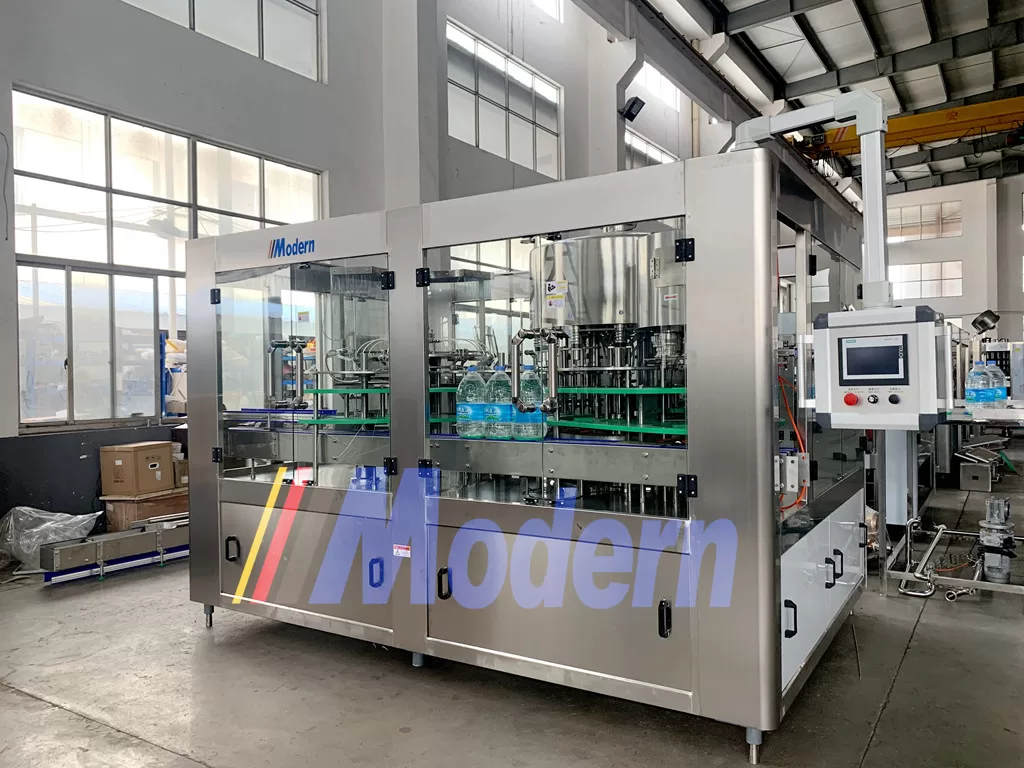
في عالم التصنيع، يمثل دمج التقنيات المتقدمة في عمليات الإنتاج تقدماً نحو كفاءة واستدامة أكبر. ويكمن أحد المكونات الحاسمة لهذا التحول في خطوط تعبئة المياه. هذه الخطوط، المصممة بدقة لتعبئة وتغليف المشروبات، لا تعمل فقط على تبسيط العمليات، بل تعزز أيضاً من جودة المنتج. يتناول هذا المقال تعقيدات خطوط تعبئة المياه، وتطورها، ونصائح عملية لتحسينها، ودورها في المشهد الواسع للتجارة الدولية.
فهم خطوط تعبئة المياه
خطوط تعبئة المياه هي أنظمة صناعية تُستخدم للتعبئة الآلية للزجاجات بالسائل، وبشكل أساسي المياه. تؤدي هذه الخطوط عدة وظائف: الشطف، والتعبئة، والإغلاق، ووضع الملصقات، والتغليف. يمكن أن تؤثر كفاءة وموثوقية خط تعبئة المياه بشكل كبير على عملية الإنتاج الشاملة، مما يؤثر على كل شيء بدءاً من الإنتاجية وصولاً إلى سلامة المنتج.
مكونات خط تعبئة المياه
يتكون خط تعبئة المياه القياسي من عدة مكونات رئيسية تعمل جنباً إلى جنب لتحقيق إنتاج سلس:
- آلة الغسيل: تجهيز الزجاجات للتعبئة عن طريق إزالة الملوثات.
- آلة التعبئة: تعبئة الزجاجات تلقائياً بأحجام محددة مسبقاً من المياه.
- آلة الإغلاق (السد): تثبيت الأغطية على الزجاجات بعد التعبئة للحفاظ على سلامتها.
- آلة وضع الملصقات: وضع الملصقات على الزجاجات لأغراض العلامة التجارية والمعلومات.
- آلة التغليف: تجميع المنتجات النهائية في كرتون أو أغلفة بلاستيكية للتوزيع.
تطور تكنولوجيا تعبئة المياه
على مدى العقود القليلة الماضية، شهدت التكنولوجيا المحيطة بخطوط تعبئة المياه تغييرات جوهرية. تقليدياً، كانت عمليات تعبئة المياه كثيفة العمالة وعرضة للخطأ البشري. ومع ذلك، مع التقدم في الأتمتة والتعلم الآلي، تحسنت خطوط تعبئة المياه الحديثة بشكل كبير من حيث الكفاءة والسرعة والموثوقية. تستخدم أنظمة اليوم:
- أجهزة استشعار متقدمة: للمراقبة في الوقت الفعلي ومراقبة الجودة.
- أذرع آلية: للإغلاق ووضع الملصقات بدقة.
- التكنولوجيا الذكية: لتحسين سير العمل والصيانة التنبؤية.
الاتجاهات الحالية في أنظمة تعبئة المياه
أصبحت نظافة ونقاء منتجات المياه المعبأة أمراً بالغ الأهمية في هذه الصناعة. ومع تزايد وعي المستهلكين بالصحة، يركز المصنعون على الابتكارات التي تضمن سلامة المنتج. تشمل بعض الاتجاهات الملحوظة:
- ممارسات صديقة للبيئة: استخدام مواد مستدامة وتقليل هدر المياه.
- تكامل إنترنت الأشياء (IoT): تنفيذ تقنيات إنترنت الأشياء (IoT) التي تسمح بمشاركة البيانات في الوقت الفعلي والإدارة المثلى للموارد.
- خطوط إنتاج مرنة: التكيف السريع مع متطلبات السوق والتغيرات في مواصفات المنتج.
تحسين خطوط تعبئة المياه لتحقيق أقصى قدر من الكفاءة
للحفاظ على ميزة تنافسية في السوق العالمية، يجب على المصنعين تحسين خطوط تعبئة المياه لديهم باستمرار. فيما يلي العديد من الاستراتيجيات والرؤى العملية:
1. الصيانة الدورية والتحديثات
إجراء فحوصات صيانة دورية للآلات يضمن معالجة أي تآكل بشكل استباقي. ترقية المعدات بأحدث التقنيات لا يعزز الأداء فحسب، بل يطيل أيضاً من عمر الآلات.
2. تبسيط سير العمل
التصميم الجيد يقلل من حركة المشغل ويحسن الكفاءة. يجب أن ينتقل سير العمل بسلاسة من عملية إلى أخرى، مما يقلل من الاختناقات. يمكن أن يساعد استخدام الأتمتة في تبسيط المهام المتكررة.
3. تنفيذ آليات مراقبة الجودة
يعد إنشاء تدابير صارمة لمراقبة الجودة أمراً بالغ الأهمية لضمان تلبية كل زجاجة للمعايير العالية. يمكن للأنظمة الآلية المجهزة بأجهزة استشعار اكتشاف التناقضات في مستويات التعبئة والأغطية والملصقات، مما يقلل من فرصة وصول المنتجات المعيبة إلى المستهلكين.
4. التأكيد على الاستدامة
إن دمج الممارسات الصديقة للبيئة لا يجذب سوق المستهلكين فحسب، بل يمكن أن يؤدي أيضاً إلى توفير التكاليف. قم بتنفيذ أنظمة إعادة تدوير المياه، واستخدم مواد قابلة للتحلل للتغليف، وقلل من استهلاك الطاقة في عمليات الإنتاج.
5. التدريب والتطوير
الاستثمار في تدريب الموظفين يضمن أن المشغلين على دراية جيدة باستخدام الآلات، مما يعزز الإنتاجية ويقلل من احتمالية حدوث أخطاء. يجب أيضاً تشجيع التطوير المهني المستمر لمواكبة التطورات التكنولوجية.
دور خطوط تعبئة المياه في التجارة العالمية
مع الطلب المتزايد على المياه المعبأة عالمياً، برزت خطوط تعبئة المياه كأصول حيوية في مشهد التجارة الدولية. غالباً ما تكون الدول الغنية بمصادر المياه الطبيعية موردين رئيسيين بين القارات. يمكن أن يوفر فهم ديناميكيات هذا القطاع نظرة ثاقبة لفرص التجارة والتحديات التنظيمية.
1. تلبية المعايير الدولية
يجب على الشركات المصنعة التي تتطلع إلى دخول الأسواق الدولية ضمان الامتثال للوائح الصحة والسلامة الصارمة. تختلف المعايير الخاصة بالمياه المعبأة باختلاف المناطق، مما يستلزم إجراء أبحاث وتكييف عمليات تعبئة المياه وفقاً للإرشادات المحلية.
2. إدارة الخدمات اللوجستية وسلاسل التوريد
يعد إنشاء آليات فعالة للخدمات اللوجستية وسلاسل التوريد أمراً بالغ الأهمية لضمان التسليم الفوري وتقليل التكاليف. تلعب مواقع التصنيع، وخيارات النقل، وشبكات التوزيع أدواراً مهمة في ضمان وصول المنتجات إلى تجار التجزئة في الوقت المحدد.
3. تعزيز الشراكات والتعاون
لتوسيع نطاق الوصول إلى الأسواق، ينبغي على الشركات المصنعة التفكير في إقامة شراكات مع الموزعين المحليين وتجار التجزئة وحتى الشركات المصنعة الأخرى. يمكن أن تشمل الجهود التعاونية أيضاً مبادرات العلامات التجارية المشتركة التي تعزز الرؤية وثقة المستهلك.
مستقبل خطوط تعبئة المياه
بينما نتطلع إلى المستقبل، من المتوقع أن تصبح خطوط تعبئة المياه أكثر تطوراً، مدعومة بالابتكارات في التكنولوجيا والاستدامة. سيدفع الطلب المتزايد على المياه المعبأة في جميع أنحاء العالم الشركات المصنعة إلى تبني استراتيجيات وممارسات جديدة تتماشى مع تفضيلات المستهلك والاعتبارات البيئية.
1. زيادة الأتمتة
ستظل الأتمتة في الطليعة، حيث تؤدي التطورات في الذكاء الاصطناعي وتعلم الآلة إلى تعزيز الكفاءة وتمكين الشركات المصنعة من أن تكون أكثر تكيفاً مع تغيرات الطلب.
2. تعزيز التتبع
سيصبح التتبع في سلسلة التوريد ذا أهمية متزايدة للامتثال التنظيمي وشفافية المستهلك. إن التقنيات التي تسمح بتتبع أفضل للمنتجات من المصدر إلى الرف ستعزز السمعة وثقة العملاء.
3. ابتكارات صديقة للبيئة
من المرجح أن تتبنى خطوط تعبئة المياه المستقبلية تقنيات وممارسات أكثر صداقة للبيئة، استجابةً للحاجة العالمية الملحة لمكافحة تغير المناخ واستنزاف الموارد.
الخلاصة
لا يمكن التقليل من أهمية خطوط تعبئة المياه في التصنيع، خاصة في عالم يقدر الكفاءة والجودة والاستدامة بشكل متزايد. من خلال فهم تطورها، وتحسين الممارسات، والتعامل مع تعقيدات التجارة العالمية، يمكن للشركات المصنعة وضع نفسها في مكانة متميزة في هذا القطاع الديناميكي. ومع تقدم التكنولوجيات وتغير تفضيلات المستهلكين، سيكون البقاء على اطلاع وقابلية التكيف مفتاحاً للنجاح في سوق المياه المعبأة الذي يتسم بالمنافسة الشديدة.


