
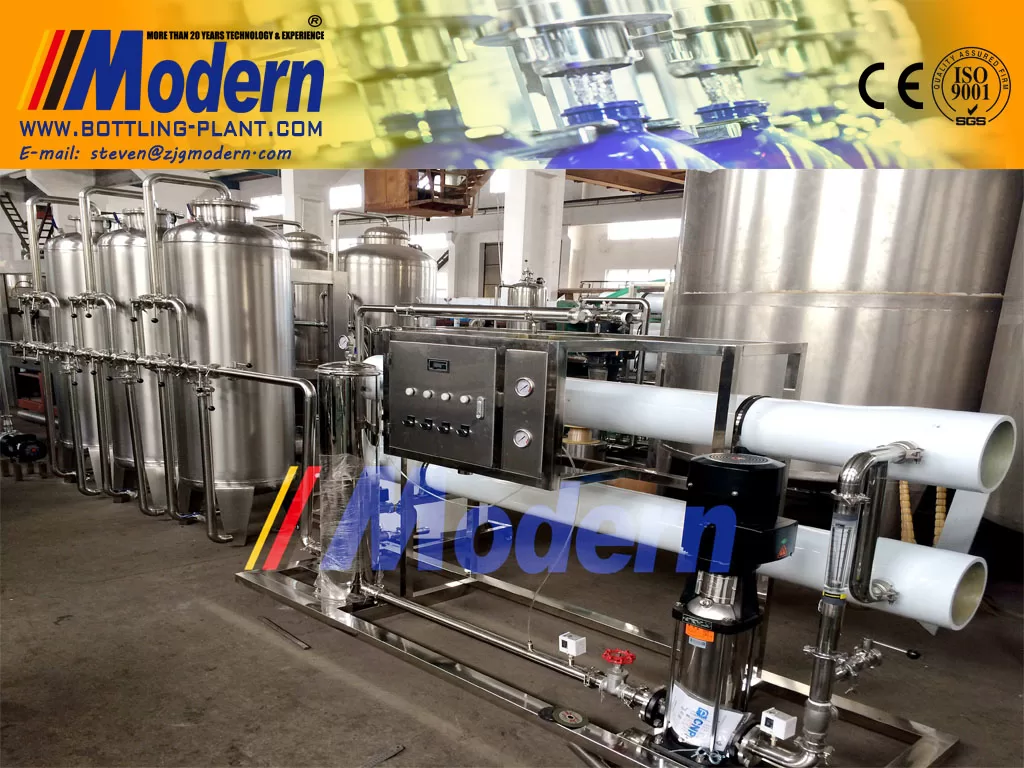
Water is a crucial resource for all living beings on our planet. It is essential for our survival, health, and overall well-being. However, with the increasing pollution and contamination of water sources, ensuring access to clean and safe water has become a significant challenge. This is where water treatment plays a vital role in safeguarding public health and the environment.
Understanding Water Treatment
Water treatment is the process of purifying water to make it safe for consumption, industrial use, and various other applications. It involves a series of physical, chemical, and biological processes that remove contaminants, pollutants, and impurities from the water. The primary goal of water treatment is to provide clean and safe water that meets regulatory standards and does not pose any health risks to consumers.
The Need for Water Treatment
There are several reasons why water treatment is essential:
1. Protecting Public Health
One of the primary reasons for water treatment is to protect public health. Contaminated water can contain harmful bacteria, viruses, chemicals, and other pollutants that can cause waterborne diseases such as cholera, typhoid, and hepatitis. By treating water, these contaminants are removed, reducing the risk of illness and improving overall public health.
2. Ensuring Environmental Sustainability
Water treatment plays a crucial role in preserving our environment. Untreated wastewater and industrial effluents can pollute rivers, lakes, and oceans, leading to ecosystem degradation and harm to aquatic life. By treating wastewater before discharge, we can minimize environmental damage and protect natural habitats.
3. Meeting Regulatory Standards
Governments and regulatory bodies around the world have set standards for water quality to ensure the safety of drinking water and protect the environment. Water treatment helps utilities comply with these regulations by treating water to meet the required standards and guidelines.
The Water Treatment Process
The water treatment process typically involves several stages:
1. Coagulation and Flocculation
In this stage, chemicals are added to the water to remove suspended particles and impurities. This process helps these particles stick together to form larger clumps, making it easier to remove them through filtration.
2. Filtration
Water passes through various filtration media such as sand, gravel, and activated carbon to remove remaining particles, bacteria, and contaminants. Filtration is a critical step in ensuring clean and clear water.
3. Disinfection
Disinfection is the final stage of water treatment, where disinfectants such as chlorine or ozone are added to kill any remaining bacteria, viruses, and pathogens in the water. This step is vital to ensure that the water is safe for consumption.
Types of Water Treatment Systems
There are several types of water treatment systems available, depending on the source of water and the contaminants present:
1. Point-of-Use Systems
Point-of-use systems are installed at individual taps or faucets to treat water at the point of use. These systems, such as water filters and purifiers, are effective in removing specific contaminants and improving water quality for drinking and cooking.
2. Point-of-Entry Systems
Point-of-entry systems are installed at the main water line entering a building or property. These systems treat all the water coming into the property, providing comprehensive water treatment for the entire household or facility.
3. Wastewater Treatment Systems
Wastewater treatment systems are designed to treat and purify wastewater from residential, commercial, and industrial sources before it is discharged back into the environment. These systems help in reducing pollution and protecting water bodies from contamination.
Benefits of Water Treatment
There are numerous benefits of water treatment, including:
1. Improved Water Quality
Water treatment improves the quality of water by removing impurities, contaminants, and odors, making it safe and pleasant to consume. Clean water also promotes better hygiene and sanitation.
2. Healthier Communities
Access to clean and safe water is essential for maintaining public health and preventing waterborne diseases. Water treatment helps in creating healthier communities and reducing the burden of illnesses related to contaminated water.
3. Environmental Protection
By treating wastewater and preventing water pollution, water treatment contributes to environmental protection and conservation. Clean water bodies support diverse ecosystems and biodiversity, benefiting both humans and wildlife.
4. Sustainable Development
Water treatment is crucial for sustainable development as it ensures the availability of clean water for current and future generations. By investing in water treatment infrastructure, we can safeguard water resources and promote long-term sustainability.
Conclusion
Water treatment plays a critical role in ensuring access to clean and safe water for all. By implementing effective water treatment practices, we can protect public health, preserve the environment, and promote sustainable development. It is essential for individuals, communities, and governments to prioritize water treatment initiatives to secure a healthy and sustainable future. Remember, clean water is not just a necessity; it is a fundamental human right that must be upheld and protected through efficient water treatment processes.


