A bottle filling line is a vital component in the production process of beverages, pharmaceuticals, chemicals, and many other liquid-based products. It is a sophisticated assembly of machinery, typically automated, designed to efficiently fill containers, such as bottles, jars, and cans, with liquids. The primary goal of a bottle filling line is to precisely fill each container with a specific volume of the desired product, ensuring accuracy, speed, and consistency.
Components of a Bottle Filling Line
A typical bottle filling line consists of several key components that work together seamlessly to achieve efficient and accurate filling operations. These components include:
1. Bottle Cleaning and Sterilization
Before the filling process begins, bottles need to be cleaned and sterilized to ensure the product’s purity and extend its shelf life. This step may involve rinsing, air blowing, or even sterilization using UV light or chemical agents.
2. Bottle Filling Machine
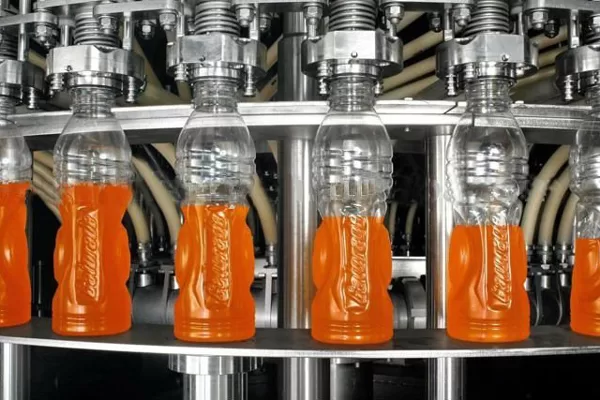
The heart of the bottle filling line is the filling machine, which is responsible for accurately dispensing the correct volume of liquid into each container. Depending on the product’s characteristics, different types of filling machines, such as gravity fillers, piston fillers, or vacuum fillers, may be used.
3. Capping and Sealing
Once the bottles are filled, they need to be securely capped and sealed to prevent contamination and leakage. This step typically involves the use of capping machines or sealing equipment, such as screw caps, snap caps, or induction seals.
4. Labeling and Coding
After filling and sealing, bottles may undergo labeling and coding processes to provide essential information to consumers, such as product details, expiry dates, and batch numbers. Labeling machines and coding printers are commonly used in this stage.
5. Inspection and Quality Control
To ensure the product’s quality and compliance with industry standards, bottles are often subjected to inspection systems that detect defects, foreign particles, or improper filling levels. Vision systems and weight checkers are frequently employed for quality control purposes.
Types of Bottle Filling Machines
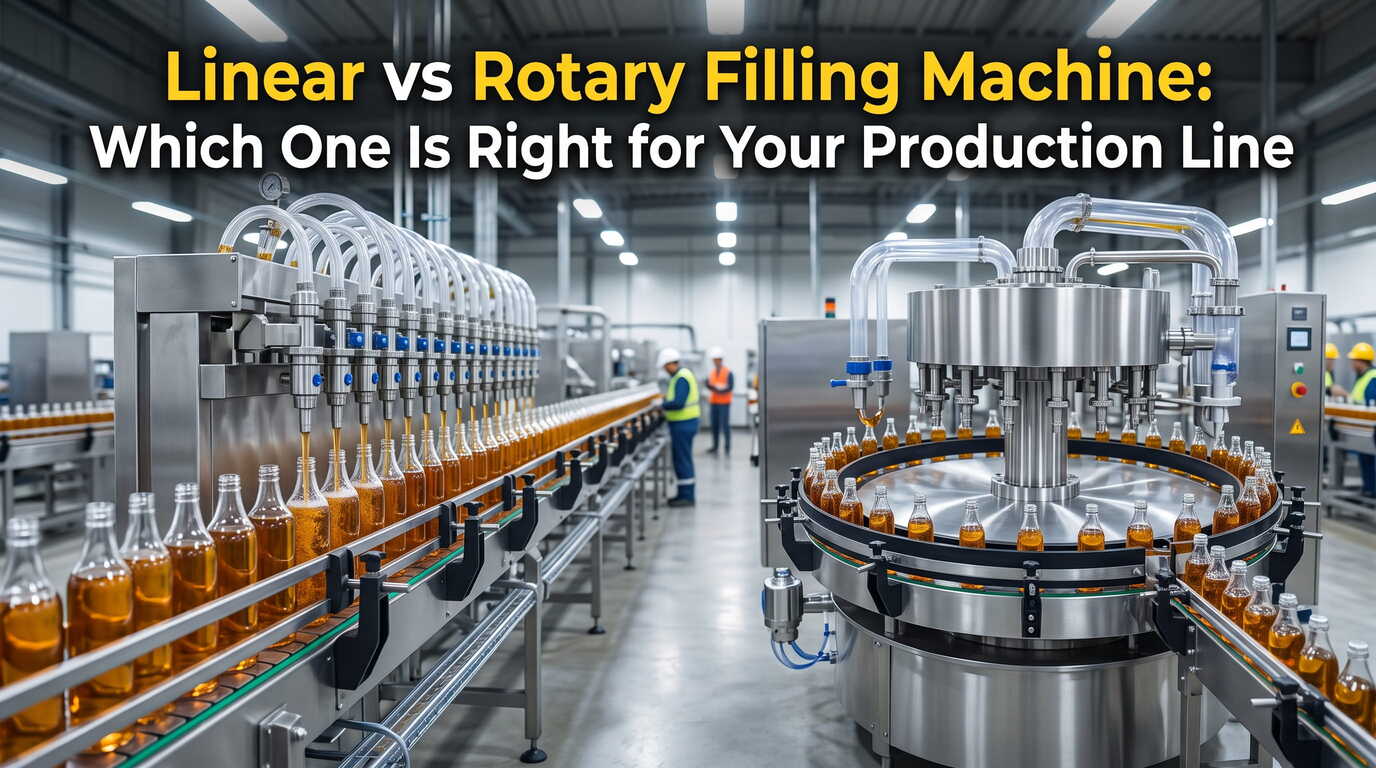
There are several types of bottle filling machines available, each suitable for different production needs and product types. Understanding the various types can help manufacturers select the most appropriate machine for their specific requirements:
1. Gravity Filling Machines
Gravity filling machines use the natural force of gravity to fill bottles with liquid. These machines are ideal for filling non-carbonated beverages, oils, and other free-flowing liquids.
2. Piston Filling Machines
Piston filling machines operate using a piston mechanism to dispense precise amounts of liquid into containers. They are commonly used for viscous products, such as creams, gels, and sauces.
3. Overflow Filling Machines
Overflow filling machines work by filling bottles to a consistent level by allowing excess liquid to overflow. They are suitable for filling foamy or carbonated beverages, as well as products that require a level fill.
4. Vacuum Filling Machines
Vacuum filling machines are designed to fill bottles with liquids that are prone to foaming or splashing. By creating a vacuum in the container, these machines can fill containers without spillage or air bubbles.
Benefits of Using a Bottle Filling Line
Implementing a bottle filling line in a production facility offers several significant benefits, including:
1. Increased Efficiency
Automating the filling process with a bottle filling line can significantly increase production efficiency and output. The consistent and precise filling of containers reduces waste and enhances overall operational efficiency.
2. Improved Product Quality
By using advanced filling machines and quality control systems, manufacturers can ensure the accuracy and consistency of product filling. This helps maintain product quality and reduces the risk of errors or contamination.
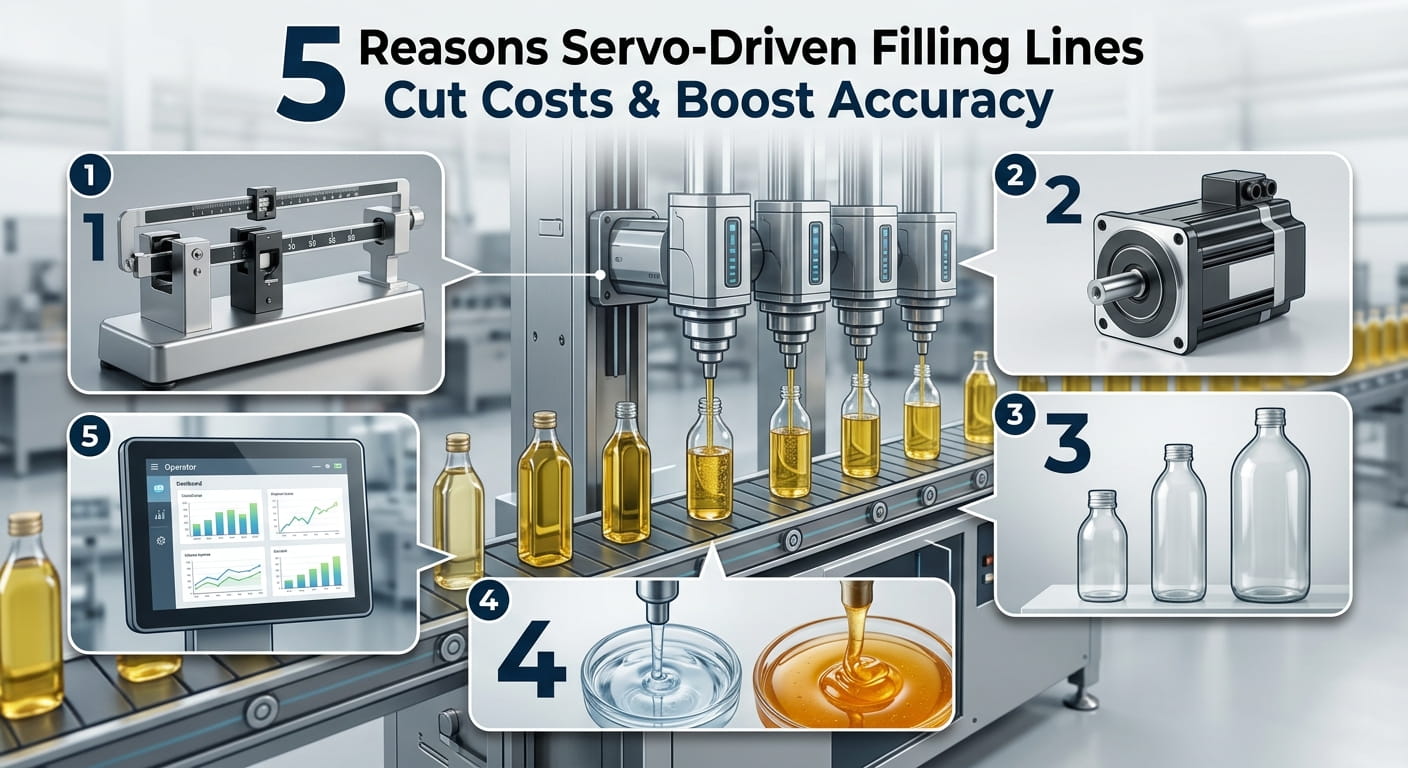
3. Cost Savings
While the initial investment in a bottle filling line may be substantial, the long-term cost savings are often significant. Reduced labor costs, lower product waste, and increased production capacity contribute to overall cost efficiency.
4. Flexibility and Versatility
Modern bottle filling lines are designed to be adaptable to various container sizes, shapes, and product types. This flexibility allows manufacturers to easily switch between different products or packaging configurations without extensive retooling.
Key Considerations for Implementing a Bottle Filling Line
When planning to integrate a bottle filling line into a production facility, several key considerations should be taken into account to ensure a successful implementation:
1. Production Requirements
Understanding the production volume, product characteristics, and filling speed requirements is crucial in selecting the appropriate bottle filling machine and line configuration.
2. Floor Space and Layout
The available floor space and layout of the production facility play a significant role in determining the size and configuration of the bottle filling line. Efficient material flow and accessibility to machinery are essential considerations.
3. Regulatory Compliance
Compliance with industry regulations and standards, such as FDA requirements for food and pharmaceutical products, is imperative when designing and operating a bottle filling line. Ensuring proper documentation, validation, and quality control measures are essential.
4. Maintenance and Support
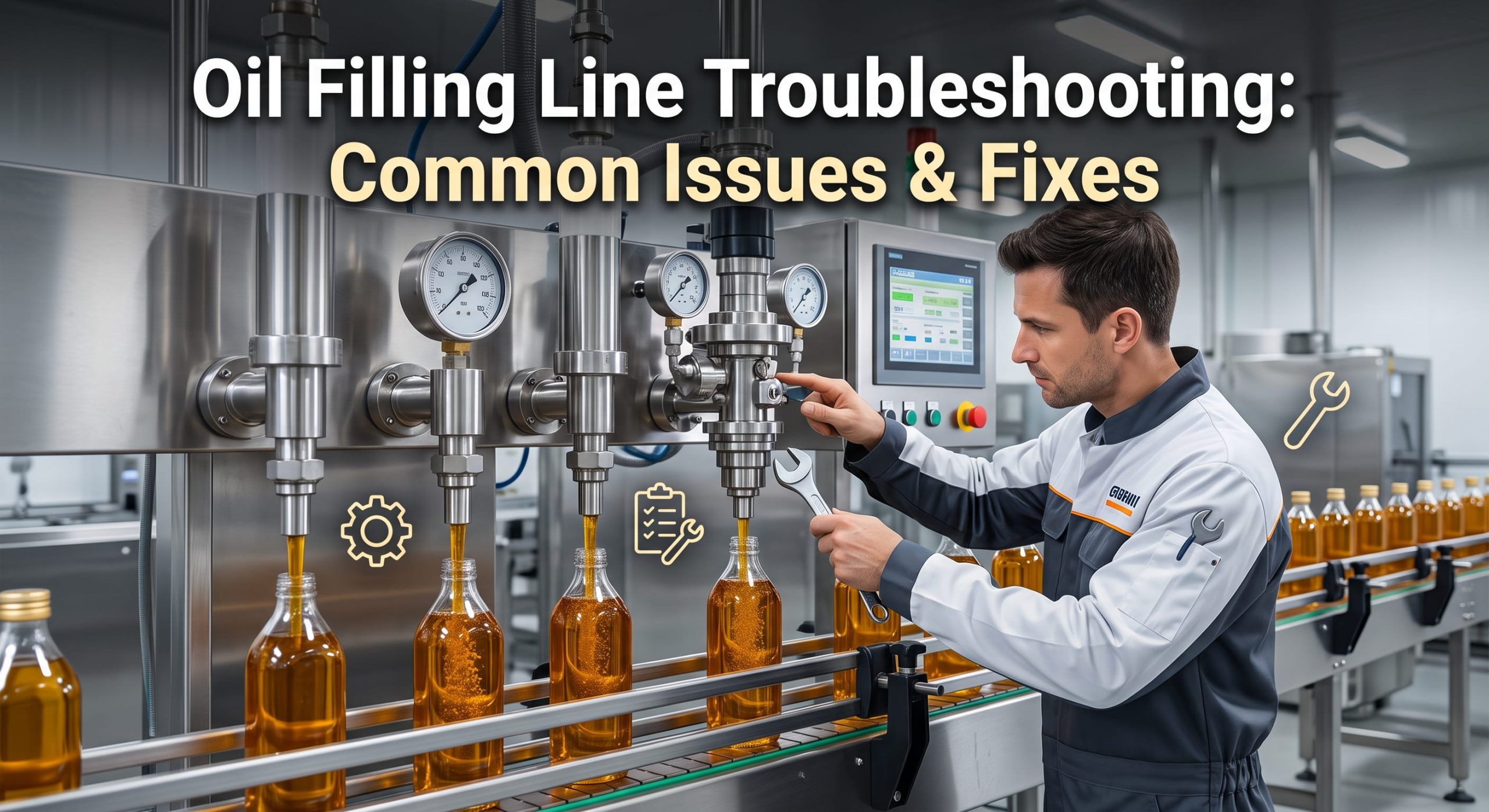
Regular maintenance and servicing of the bottle filling line are crucial to ensure optimal performance and longevity of the equipment. Having access to reliable technical support and spare parts is essential for minimizing downtime.
Future Trends in Bottle Filling Technology
As technology continues to advance, the bottle filling industry is witnessing several emerging trends that are shaping the future of filling technology:
1. Industry 4.0 Integration
The integration of Industry 4.0 concepts, such as IoT connectivity, data analytics, and predictive maintenance, is revolutionizing bottle filling lines. Smart sensors and automation technologies enhance efficiency and enable real-time monitoring of production processes.
2. Sustainable Packaging Solutions
With a growing focus on sustainability, bottle filling lines are increasingly incorporating eco-friendly packaging materials and energy-efficient technologies. Reduced material wastage and recyclable packaging solutions are gaining traction in the industry.
3. Robotics and AI Applications
The use of robotics and artificial intelligence in bottle filling technology is improving efficiency, accuracy, and speed in production processes. Robotic arms and AI algorithms can optimize filling operations and adapt to changing production demands.
Conclusion
A bottle filling line is a critical component in the manufacturing process of liquid-based products, offering efficiency, quality, and flexibility to production facilities. By understanding the components, types of filling machines, benefits, key considerations, and future trends in bottle filling technology, manufacturers can optimize their production processes and stay ahead in the competitive market.