
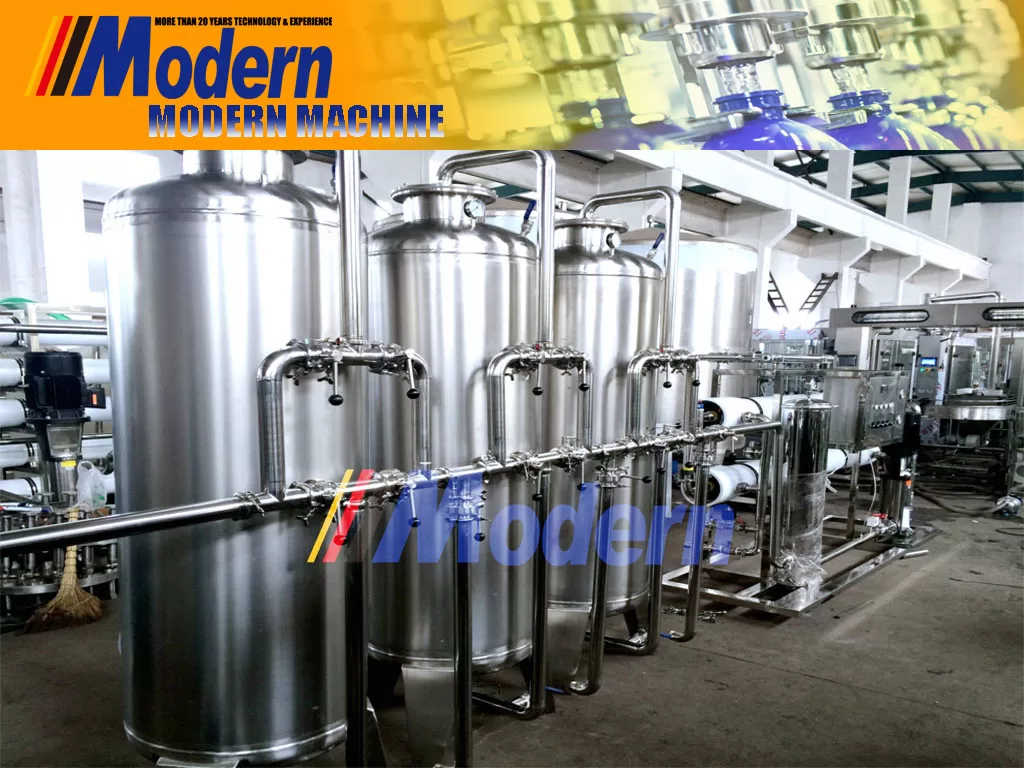
Water is an essential resource for all living organisms, including humans. However, with the increase in pollution and industrial activities, the quality of water bodies is deteriorating rapidly. Pollution from various sources such as agricultural runoff, industrial discharge, and improper waste disposal poses a serious threat to the availability of clean and safe water. To combat this issue, water treatment methods play a crucial role in purifying water and making it suitable for various purposes. In this article, we will delve into different water treatment methods, their importance, and how they can be implemented effectively.
The Importance of Water Treatment
Water treatment is essential to ensure access to clean, safe, and potable water for domestic, industrial, and agricultural purposes. Untreated water can contain harmful pollutants, pathogens, and chemicals that pose serious health risks to humans, animals, and the environment. By implementing effective water treatment methods, we can remove contaminants, improve water quality, and protect public health.
Physical Water Treatment Methods
Physical water treatment methods involve the use of physical processes to remove impurities from water. Some common physical water treatment methods include:
1. Filtration
Filtration is a widely used water treatment method that involves passing water through a porous medium to remove suspended solids, sediments, and other impurities. Various types of filters, such as sand filters, activated carbon filters, and membrane filters, are used depending on the level of contamination in the water.
2. Sedimentation
Sedimentation is the process of allowing suspended particles to settle at the bottom of a container, making it easier to separate the clean water from the impurities. This method is commonly used in water treatment plants to remove large particles and turbidity from water.
Chemical Water Treatment Methods
Chemical water treatment methods involve the use of chemicals to disinfect water, remove pollutants, and neutralize harmful contaminants. Some commonly used chemical water treatment methods include:
1. Chlorination
Chlorination is a widely used method for disinfecting water by adding chlorine or chlorine-based compounds to kill bacteria, viruses, and other pathogens present in the water. Chlorination effectively reduces the risk of waterborne diseases and ensures the safety of drinking water.
2. Coagulation and Flocculation
Coagulation and flocculation are chemical processes that help in removing suspended particles, colloids, and organic matter from water. Coagulants such as alum or ferric chloride are added to water to neutralize the charge of particles, allowing them to clump together and form larger particles called flocs, which can be easily removed through filtration.
Biological Water Treatment Methods
Biological water treatment methods use living organisms such as bacteria, algae, and plants to break down organic matter, nutrients, and pollutants in water. These methods are eco-friendly and effective in improving water quality. Some common biological water treatment methods include:
1. Bioremediation
Bioremediation involves using bacteria or other microorganisms to degrade pollutants in water and soil. These microorganisms break down contaminants into harmless byproducts, reducing the levels of organic pollutants and improving water quality.
2. Constructed Wetlands
Constructed wetlands are artificial habitats that mimic natural wetlands and use the wetland plants to treat and purify water. Wetland plants help in removing pollutants, excess nutrients, and organic matter from water through various physical, chemical, and biological processes.
Advanced Water Treatment Methods
With the advancements in technology and research, several advanced water treatment methods have been developed to address specific water quality issues and treat contaminated water effectively. Some advanced water treatment methods include:
1. Reverse Osmosis
Reverse osmosis is a water treatment process that uses a semi-permeable membrane to remove ions, molecules, and impurities from water. This method is effective in removing dissolved salts, heavy metals, and other contaminants, producing high-quality drinking water.
2. UV Disinfection
UV disinfection involves exposing water to ultraviolet light to kill bacteria, viruses, and other microorganisms present in water. UV disinfection is a chemical-free and energy-efficient method that ensures the safety and purity of water without altering its taste or odor.
Implementing a Comprehensive Water Treatment Plan
Developing a comprehensive water treatment plan involves assessing the water quality, identifying specific contaminants, and selecting appropriate treatment methods to achieve the desired results. By combining physical, chemical, and biological treatment methods, water treatment plants can effectively remove pollutants, ensure water safety, and protect the environment.
Conclusion
Water treatment is a critical process that plays a vital role in ensuring access to clean and safe water for various purposes. By implementing a combination of physical, chemical, and biological water treatment methods, we can effectively remove contaminants, improve water quality, and safeguard public health. It is essential to prioritize water treatment measures and invest in sustainable solutions to protect our most valuable resource – water.
Remember, clean water is not a privilege; it is a fundamental human right that must be preserved and protected for present and future generations.


