Introduction
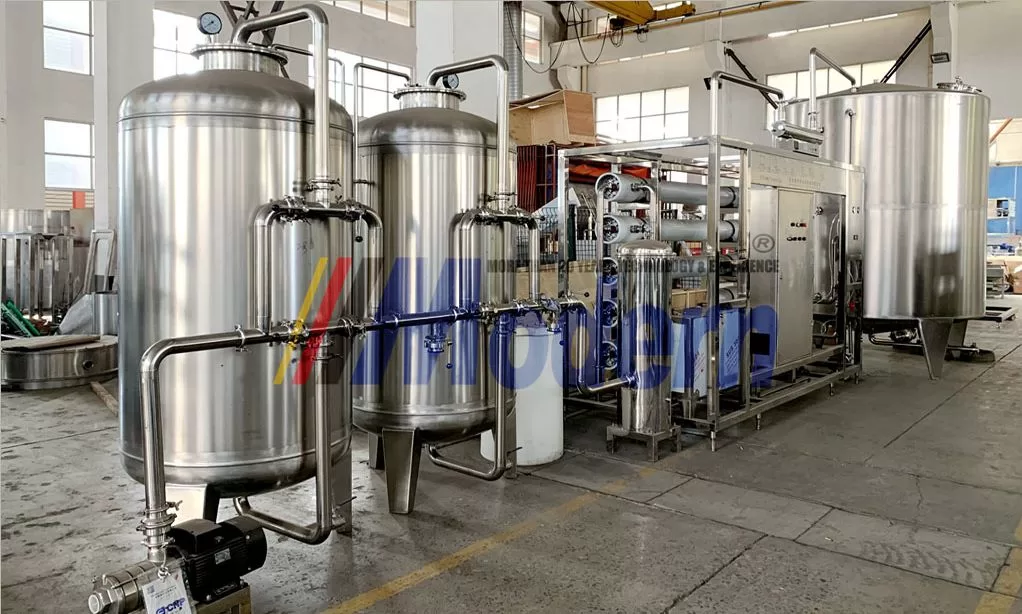
In the realm of high-volume beverage production, a critical component that underpins quality and efficiency is the water treatment plant. Designed specifically to meet the demanding needs of beverage manufacturing, a well-structured water treatment plant ensures the consistent supply of clean and purified water essential for producing beverages at scale. This article delves into the intricacies of water treatment plant design tailored for high-volume beverage production, exploring its significance, benefits, operational details, best practices, challenges, and future sustainability outlook.
Benefits and Advantages
Water treatment plant design for high-volume beverage production offers several key benefits. Firstly, it ensures the removal of impurities, contaminants, and dissolved solids from water, safeguarding the quality and taste of the final product. Additionally, it contributes to operational efficiency by minimizing downtime caused by equipment maintenance and prolonging the lifespan of production machinery. Moreover, a well-designed water treatment plant enhances sustainability efforts by reducing water wastage and promoting environmentally responsible production practices.
Types and Categories
There are various types and categories of water treatment plants suitable for high-volume beverage production, each designed to address specific purification needs. Common variations include reverse osmosis systems, activated carbon filters, UV disinfection units, and ozone generators. The selection of the most appropriate type depends on factors such as water quality, production volume, space constraints, and regulatory requirements.
Applications and Use Cases
Water treatment plants for high-volume beverage production find extensive applications in a wide range of beverage manufacturing processes. From carbonated drinks to juices, teas, and bottled water, these plants play a vital role in ensuring product consistency, meeting industry standards, and complying with stringent quality control measures. They are integral components of modern beverage production facilities, supporting the production of diverse beverages with varying water purity requirements.
Technical and Operational Details
The operational principles of water treatment plants for high-volume beverage production involve a series of purification stages, including filtration, disinfection, and pH adjustment. These plants typically feature advanced monitoring and control systems to optimize water purification processes and maintain production efficiency. Key specifications to consider when designing a water treatment plant include flow rate capacity, membrane technology, energy efficiency, and automation capabilities.
Best Practices and Maintenance Tips
- Regularly monitor water quality parameters and system performance to ensure optimal operation.
- Implement routine maintenance schedules for filters, membranes, and disinfection units to prevent system failures.
- Train staff on proper operating procedures and safety protocols to maximize the lifespan of the plant.
- Conduct periodic audits and water analysis to identify potential issues and improve system reliability.
Market Trends and Industry Insights
The beverage production industry is witnessing a growing emphasis on sustainable practices, driving the adoption of water treatment technologies that minimize resource consumption and environmental impact. Innovations such as smart monitoring systems, energy-efficient membranes, and modular plant designs are revolutionizing the landscape of water treatment for high-volume beverage production. Forecasted trends indicate a shift towards decentralized water treatment solutions and increased integration of IoT technologies for real-time data monitoring and control.
Challenges and Solutions
Despite the benefits they offer, water treatment plants for high-volume beverage production face challenges such as scaling, fouling, and system downtime. To mitigate these challenges, proactive measures such as regular cleaning, chemical treatments, and equipment upgrades are essential. Collaboration with experienced water treatment experts and adherence to industry best practices can help overcome common operational hurdles and maintain the efficiency of the plant.
Sustainability and Future Outlook
The future of water treatment plant design for high-volume beverage production lies in sustainable practices and innovative technologies that promote environmental stewardship. Enhanced recycling systems, energy recovery solutions, and zero liquid discharge processes are emerging as key trends in the pursuit of sustainable water management. By prioritizing eco-friendly design principles and investing in renewable energy sources, beverage manufacturers can optimize their water treatment processes while reducing their carbon footprint.
Overall, the design and implementation of a well-engineered water treatment plant tailored for high-volume beverage production are instrumental in ensuring product quality, operational efficiency, and environmental sustainability. By staying abreast of evolving trends, adopting best practices, and embracing technological advancements, beverage manufacturers can position themselves as industry leaders committed to the highest standards of quality and responsibility.