
In the ever-evolving landscape of industrial automation, the water bottling industry stands to benefit significantly from the implementation of cutting-edge technologies. As production processes become increasingly efficient and streamlined, water bottling plant automation emerges as a critical factor in maintaining competitiveness, optimizing output, and ensuring product quality. In this article, we delve into the key considerations that companies in the water bottling sector must bear in mind as they embark on the journey towards automation excellence.
The Importance of Automation in Water Bottling
Automation plays a crucial role in modernizing water bottling plants, offering a myriad of benefits that impact various aspects of operations. By integrating automation solutions, bottling companies can achieve higher production speeds, enhanced quality control, reduced downtime, improved safety standards, and increased overall efficiency. These advantages, in turn, translate to cost savings, heightened flexibility, and greater sustainability in a highly competitive market environment.
Factors to Consider Before Implementing Automation
While the benefits of automation are evident, seamless integration requires careful planning and consideration of several key factors:
1. Production Capacity
Assessing the current and projected production capacity is essential in determining the scope and scale of automation required. Understanding production demands and growth trends allows for the selection of automation solutions that align with the plant’s capacity requirements.
2. Equipment Compatibility
Compatibility between existing equipment and new automation technologies is crucial to ensure smooth integration. Conducting thorough compatibility assessments and identifying any necessary upgrades or modifications is paramount to prevent operational disruptions.
3. Regulatory Compliance
Compliance with industry regulations and standards is non-negotiable in the water bottling sector. Automation solutions must align with regulatory requirements to guarantee product safety, quality assurance, and adherence to environmental guidelines.
4. Training and Support
Investing in employee training and technical support is vital to maximize the benefits of automation. Ensuring that staff are proficient in operating and maintaining automated systems minimizes downtime, enhances productivity, and fosters a culture of continuous improvement.
Automation Technologies Transforming the Water Bottling Industry
The adoption of cutting-edge automation technologies is revolutionizing water bottling operations, paving the way for enhanced efficiency and performance. Some of the key automation technologies making waves in the industry include:
1. Automated Filling Systems
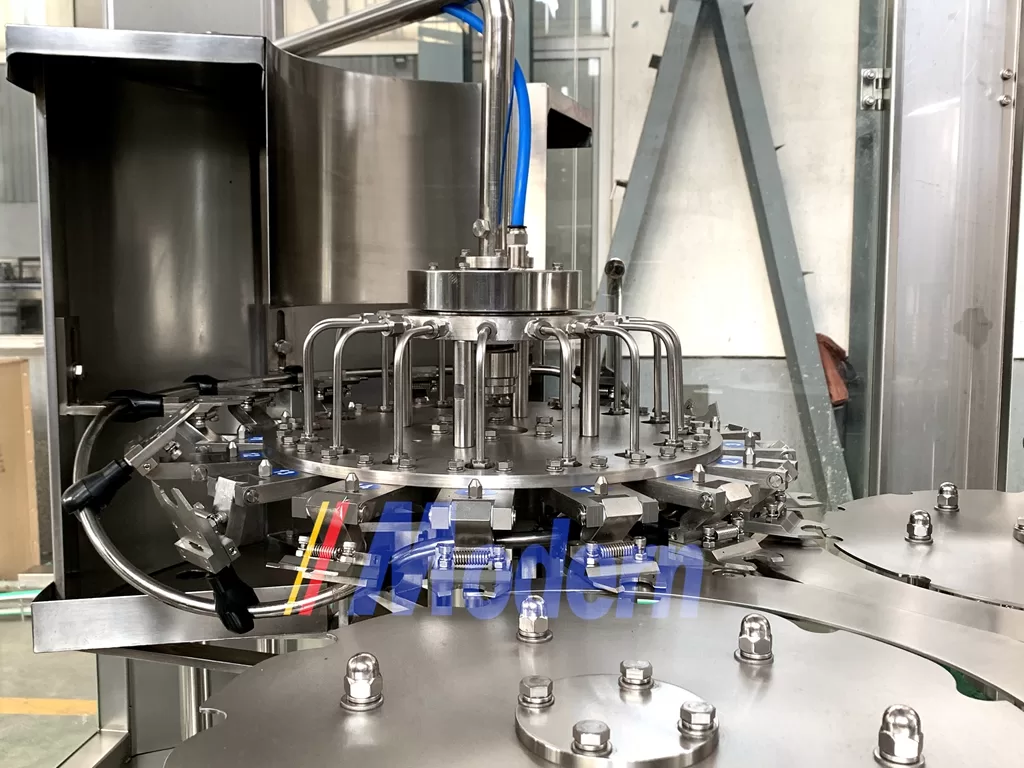
Automated filling systems utilize precision controls and sensors to optimize filling accuracy, minimizing product wastage and ensuring consistent fill levels. These systems enhance efficiency, reduce manual labor requirements, and improve product quality.
2. Quality Control Sensors
Quality control sensors play a vital role in monitoring parameters such as temperature, pressure, and bottle integrity throughout the bottling process. Real-time data collection and analysis enable proactive adjustments and rapid response to deviations, maintaining product quality standards.
3. Robotic Packaging Solutions
Robotic packaging solutions streamline the packaging and palletizing processes, offering increased speed, precision, and flexibility. Robots equipped with advanced vision systems can handle diverse packaging formats and configurations, optimizing space utilization and enhancing overall efficiency.
Challenges and Solutions in Water Bottling Plant Automation
Despite the numerous benefits of automation, specific challenges may arise during the implementation phase. Addressing these challenges proactively and adopting appropriate solutions is essential to ensure a successful transition to automated processes:
1. Cost Considerations
Initial investment costs for automation technologies can be significant, posing a barrier to adoption for some companies. To overcome this challenge, companies can explore phased implementation, seek financing options, and conduct cost-benefit analyses to quantify long-term savings and returns on investment.
2. Maintenance and Support
Ongoing maintenance and technical support are crucial for the optimal performance of automated systems. Developing comprehensive maintenance schedules, establishing partnerships with reliable service providers, and investing in predictive maintenance technologies are effective strategies to mitigate downtime and ensure system longevity.
3. Data Security and Cybersecurity
As automation involves the integration of complex digital systems, ensuring data security and cybersecurity measures is paramount. Implementing robust cybersecurity protocols, conducting regular vulnerability assessments, and providing cybersecurity training to personnel are essential steps to safeguard sensitive information and prevent cyber threats.
Conclusion
Water bottling plant automation is a transformative force reshaping the industry landscape and driving operational efficiency to new heights. By carefully considering key factors such as production capacity, equipment compatibility, regulatory compliance, and employee training, companies can effectively leverage automation technologies to optimize processes, enhance product quality, and stay ahead of the competition. Embracing automation not only offers immediate benefits in cost savings and efficiency but also positions companies for long-term sustainability and growth in a rapidly evolving market.
As companies navigate the complexities of automation implementation, strategic planning, meticulous assessment, and a commitment to continuous improvement are essential pillars of success in the dynamic world of water bottling plant automation.


