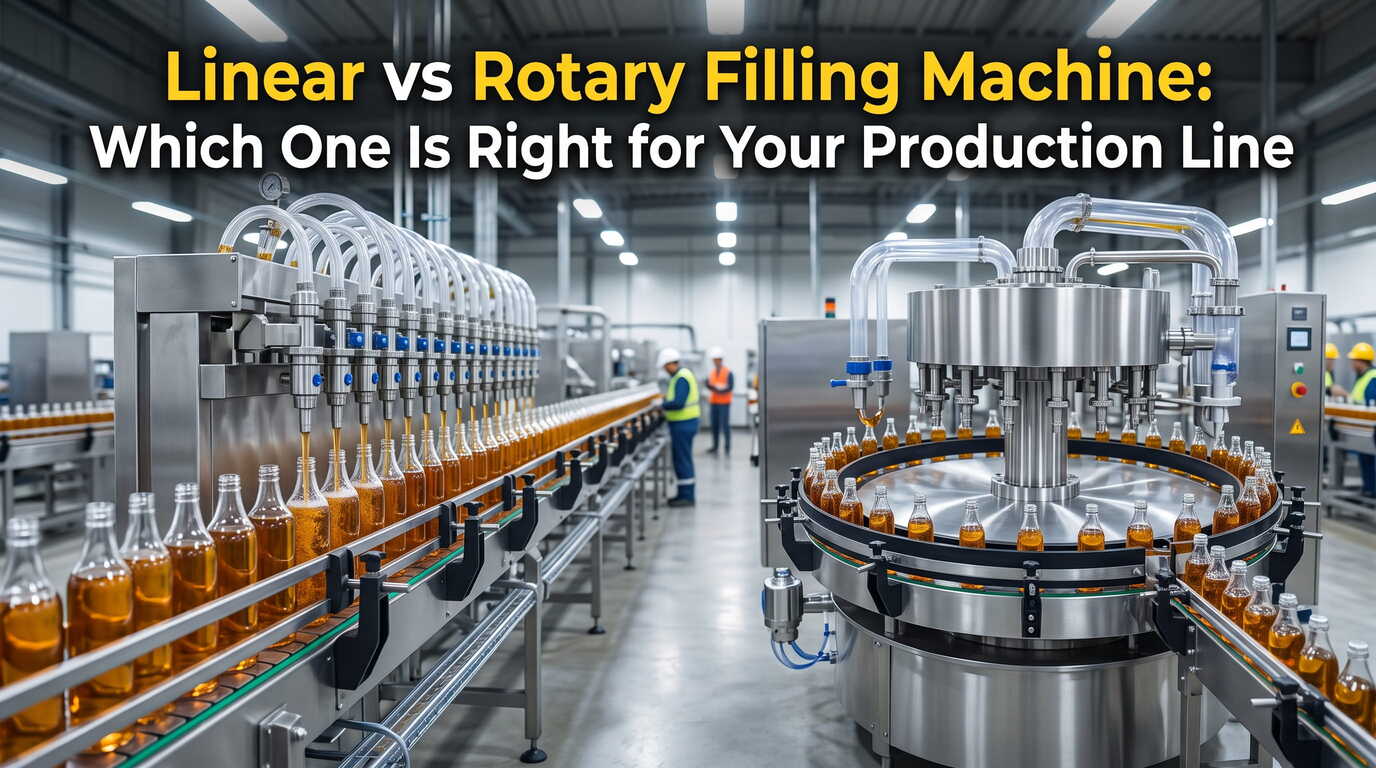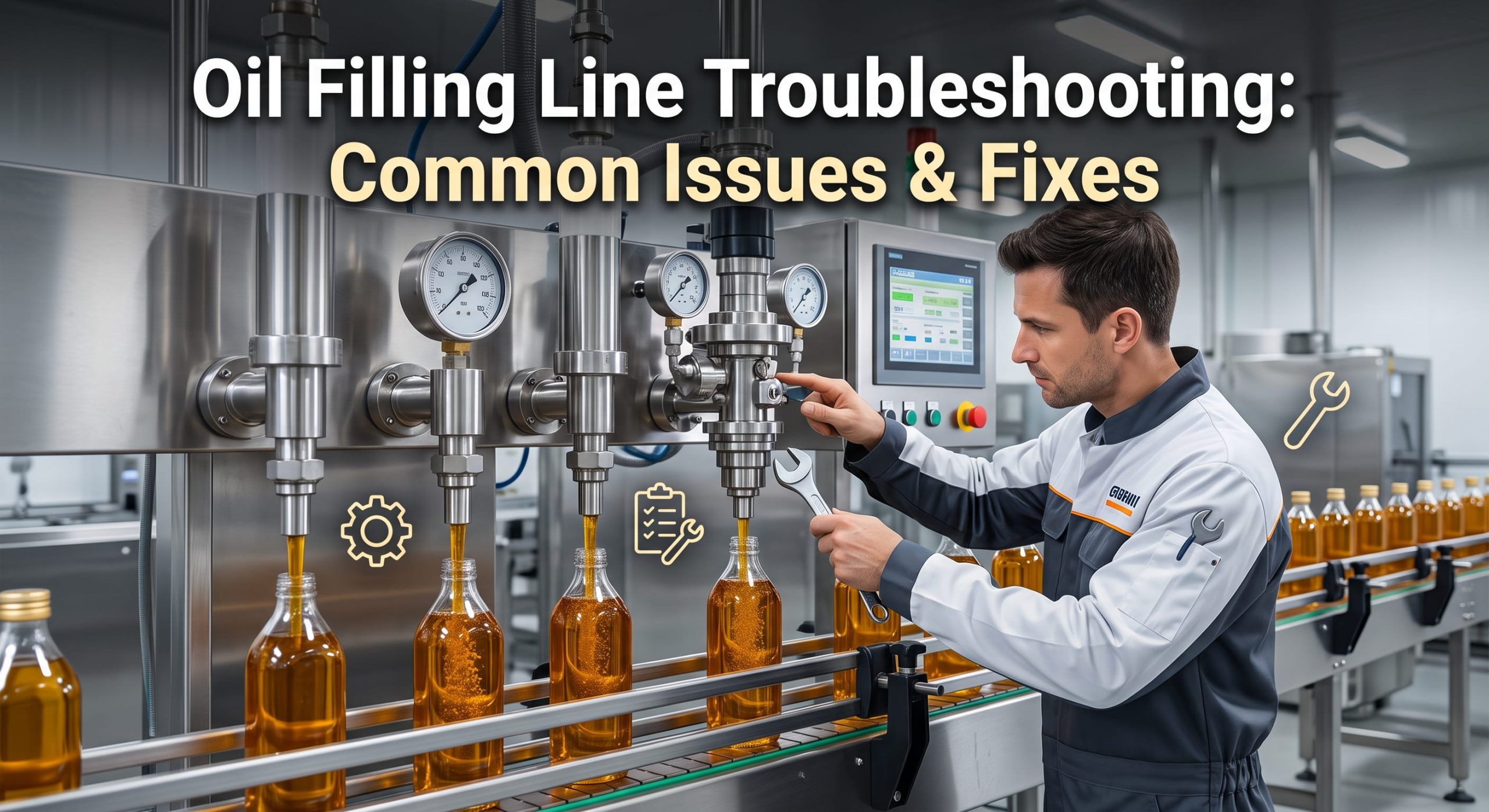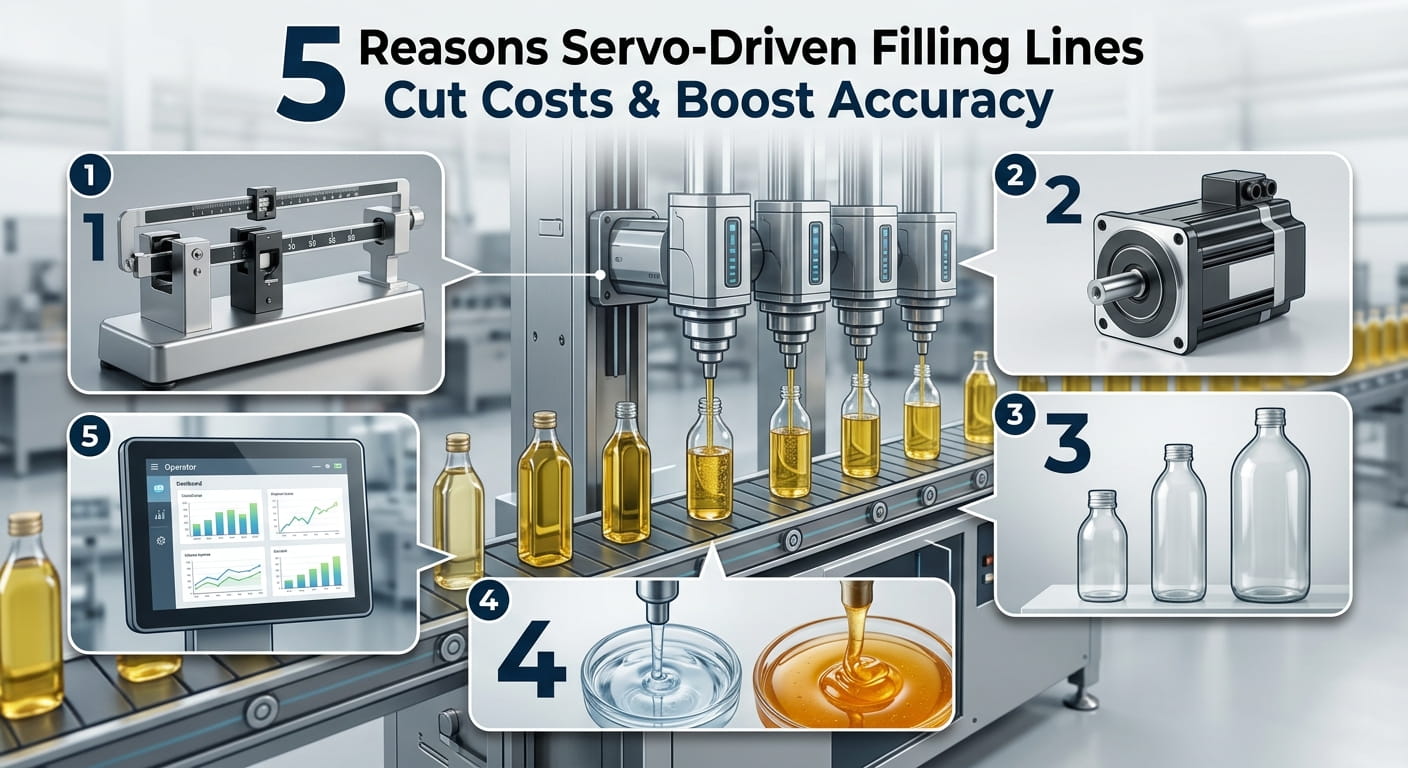

Water is essential to human survival, and clean, potable water is a necessity for every household, business, and community. To meet this demand, water filler machines have emerged as a revolutionary solution. This article will examine the mechanics, types, applications, advantages, and considerations surrounding water filler machines to provide an all-encompassing understanding of their critical role in the modern water supply chain.
What is a Water Filler Machine?
A water filler machine is a device designed for filling containers (like bottles and jugs) with water, typically aimed at ensuring the quantity and quality of the water dispensed. These machines can vary in complexity, ranging from simple manual devices to fully automated systems that integrate advanced technology for optimal efficiency and accuracy.
Types of Water Filling Machines
Water filler machines can generally be classified based on their operational design and functionality. Here are some of the primary types:
1. Manual Water Filling Machines
Manual machines require operators to perform the filling process. While they may be less expensive to acquire, they can be labor-intensive and time-consuming. Manual fillers are commonly found in smaller operations or artisanal bottling plants.
2. Semi-Automatic Water Filling Machines
Semi-automatic machines combine manual and automated elements, allowing operators to handle certain aspects of the filling process while the machine automates others. While they improve efficiency over manual systems, they still require human oversight.
3. Fully Automatic Water Filling Machines
These machines perform the entire filling process autonomously, from bottle feeding to filling and capping. Fully automatic water fillers are ideal for high-volume operations, ensuring consistent quality and reducing labor costs significantly.
Applications of Water Filler Machines
The versatility of water filler machines enables them to serve various applications across multiple sectors:
1. Bottled Water Industry
One of the most significant applications of water filling machines is in the bottled water industry. Companies use these machines to fill bottles with purified or mineral water on a large scale, ensuring efficiency and adherence to safety standards.
2. Beverage Production
Water fillers are also employed in the production of various beverages, including juices and flavored waters. By ensuring precise filling and minimizing waste, these machines play a crucial role in the overall manufacturing process.
3. Agricultural Use
In agriculture, water filling machines are used for creating irrigation systems, where water is consistently dispensed to plants. The automation and efficiency offered by these machines can significantly increase crop yield and reduce water waste.
4. Domestic Settings
Water fillers are also used in households. Several families opt for water filling systems as a sustainable alternative to purchasing bottled water, leading to less plastic waste and more cost-effective water use.
Advantages of Using Water Filler Machines
Investing in water filler machines brings numerous advantages to businesses and consumers alike:
1. Efficiency and Speed
Water filler machines significantly enhance the speed at which containers are filled compared to manual methods. This efficiency allows businesses to meet customer demands promptly and enhances overall productivity.
2. Cost-Effectiveness
Although the initial investment in a water filler machine may appear substantial, the long-term savings on labor and increased productivity often offset these costs. Automated machines reduce the need for multiple operators and streamline the filling operation.
3. Quality Control
Modern water filling machines come equipped with advanced sensors and systems designed to maintain quality control. They minimize exposure to contaminants, ensuring that the dispensable water remains safe for consumption.
4. Flexibility
Water filling machines can often be adjusted to accommodate different container sizes and types. This versatility is particularly beneficial for businesses that offer multiple products or seasonal variations.
Choosing the Right Water Filler Machine
When selecting a water filler machine, it’s essential to consider several factors to ensure that the investment aligns with your business needs:
1. Flow Rate
The flow rate indicates how quickly the machine can fill containers. Assess your production needs to determine the required flow rate, ensuring that your chosen machine can meet demand without significant delays.
2. Container Size Compatibility
Different businesses require machines that can handle various container sizes. Ensure that the water filler machine you select can efficiently work with the types and sizes of containers your business uses.
3. Automation Level
Consider the extent of automation you desire. Fully automatic machines will streamline production, while semi-automatic machines may offer a balance between efficiency and operator involvement.
4. Maintenance Requirements
All machines require regular maintenance. Opt for machines that are easy to maintain and offer good service and support from the manufacturer.
5. Compliance with Regulations
Ensure that any water filling machine you consider meets local and international health and safety regulations. The quality of the water and its packaging is critical to consumer safety, so compliance is non-negotiable.
Future Trends in Water Filling Technology
As technology advances, water filling machines are likely to evolve in several ways:
1. Smart Technology Integration
In the era of IoT (Internet of Things), many water filling machines will incorporate smart technology, allowing for remote monitoring and control. This advancement will enable real-time data analysis and improve efficiency even further.
2. Sustainability Enhancements
With increasing awareness surrounding environmental issues, future machines may feature systems that minimize water waste and energy consumption, aligning with sustainability goals.
3. Advanced Quality Control Mechanisms
Technological advancements will continue to improve quality control, with machines equipped to detect contaminants or quality issues in real-time, ensuring a consistent product for consumers.
Conclusion
Water filler machines play a vital role in providing clean and accessible water, meeting the demands of various sectors. By understanding the types, applications, advantages, and key considerations when selecting a machine, businesses can make informed decisions that enhance productivity and ensure quality. As technology progresses, these machines will continue to evolve, offering new opportunities for efficiency and sustainability. In a world that increasingly prioritizes health and environmental concerns, the significance of water filler machines will only continue to grow.