
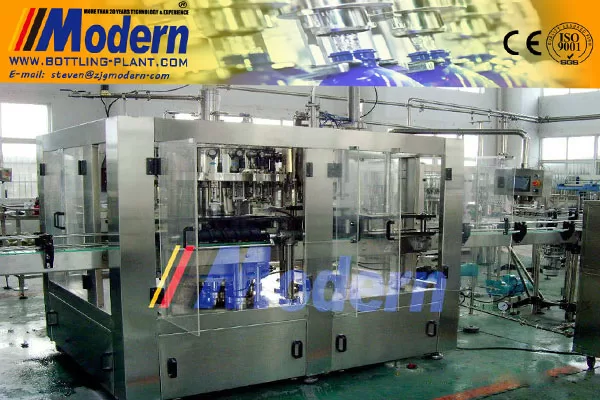
In an era where bottled water consumption continues to rise globally, the demand for efficient and reliable bottle water filling machines has surged. As a critical component of the beverage production industry, manufacturers of these machines play a vital role in ensuring the quality, speed, and efficiency of the bottling process. This article delves deep into the bottling machine industry, exploring the various dimensions associated with bottle water filling machine manufacturers, and providing invaluable insights for businesses looking to engage with this sector.
The Bottled Water Market Landscape
The bottled water market has experienced exponential growth over the past decade. With consumers increasingly prioritizing health and convenience, many have shifted towards bottled water over sugary beverages. According to market research, the global bottled water market is projected to reach over $400 billion by 2025. This rising demand has prompted beverage companies to seek advanced filling technologies that can efficiently scale production while maintaining product integrity.
Types of Bottle Water Filling Machines
When considering bottle water filling machines, it is essential to understand the different types available in the market. The primary categories include:
Gravity Fillers
Gravity fillers operate on the principle of gravity, allowing water to flow from a supply tank into bottles. This type is generally suitable for still water and is highly effective for low-speed production. They are user-friendly but may require extra care to prevent spills and contamination.
Pressure Fillers
Pressure fillers use a controlled amount of pressure to fill bottles, allowing for a faster bottling process. These machines are best suited for carbonated water or any beverage under pressure, as they can maintain the integrity of the product from filling to sealing.
Vacuum Fillers
Vacuum fillers utilize vacuum pressure to draw in the water, ensuring a proper fill without exposing the product to the surrounding environment. This method is ideal for filling smaller bottles in an efficient and clean manner.
aseptic Filling Machines
Aseptic filling machines are designed for producing bottled water in sterile environments. They are crucial for manufacturers focusing on ensuring the shelf-life and safety of their products. These machines also utilize advanced technology to maintain hygiene throughout the filling process.
Factors to Consider When Choosing a Bottle Water Filling Machine
Choosing the right bottle water filling machine requires careful consideration of several factors to align with both production goals and product integrity. Here are key points to evaluate:
Production Capacity
The production capacity of a filling machine is crucial and should match your projected bottling volume. Manufacturers typically offer machines ranging from those suitable for small-scale operations to large, high-speed systems capable of packaging thousands of bottles per hour.
Automation Level
Automation significantly impacts efficiency and labor costs. Fully automatic systems can operate independently, while semi-automatic machines may require manual intervention. Understanding your operational requirements will guide your choice of automation.
Quality and Safety Standards
Given the importance of product quality in the beverage industry, selecting a machine that adheres to international quality assurance standards is essential. Look for certifications that assure safety and compliance with industry regulations.
Maintenance and Support
Maintenance costs can affect the overall operational expenditures. Opt for manufacturers who provide robust support services and easy-to-replace parts to reduce downtime during maintenance.
Key Features of Modern Bottle Water Filling Machines
Modern advancements in technology have propelled the development of advanced features in bottle water filling machines. Here are some must-have features that enhance functionality and efficiency:
Integrated Control Systems
Advanced machines come equipped with integrated control systems that allow for real-time monitoring and adjustments to filling parameters. This feature enables manufacturers to maintain consistent fill levels and reduce waste.
Energy Efficiency
With growing concerns about sustainability, energy-efficient machines can significantly minimize operational costs. Opt for machines that use less energy while maintaining performance to ensure that your production process is both cost-effective and environmentally friendly.
Flexibility
Versatility in handling different bottle sizes and shapes is key to adapting to market demands. Machines that allow quick changeovers between bottle types can help manufacturers respond to consumer preferences more effectively.
Evaluating Supplier Reliability
Once you’ve decided on the type and features of the bottle water filling machine, it is crucial to evaluate potential suppliers. Here are some factors to consider:
Experience and Reputation
Research the experience and track record of suppliers in the industry. Established manufacturers often have a wealth of experience catering to various markets and can provide references from satisfied clients.
Customer Reviews and Testimonials
Check for customer reviews, case studies, and testimonials that provide insight into a supplier’s performance and customer service. This feedback can be invaluable in gauging how well a supplier meets customer needs.
After-Sales Support
Effective after-sales service can prevent production disruptions. Ensure the supplier offers comprehensive support, including installation, training, and easy access to replacement parts.
Future Trends in Bottle Water Filling Technology
The beverage industry is continuously evolving, and bottle filling technology is no exception. Here are some emerging trends that could shape the future of bottle water filling:
Smart Technology and IoT Integration
The integration of smart technology and the Internet of Things (IoT) into filling machines is becoming increasingly prevalent. These technologies allow for remote monitoring, predictive maintenance, and data collection to optimize operations.
Sustainability Initiatives
As consumers demand more environmentally friendly products, manufacturers are exploring sustainable materials for packaging and production. Machines that enable the use of recyclable or biodegradable materials will likely gain prominence.
Enhanced Hygiene Protocols
The recent global challenges around health and safety have led to heightened focus on hygiene in food and beverage production. Future filling machines are likely to showcase innovative technologies that prioritize cleanliness without compromising efficiency.
Conclusion
In conclusion, the role of bottle water filling machine manufacturers is pivotal in meeting the increasing global demand for bottled water. By understanding the market dynamics, the types of machines available, and the features that enhance performance, businesses can make informed decisions when selecting a filling system. Evaluating suppliers based on reliability and support further ensures a smooth operation that can adapt to evolving consumer preferences. As technology continues to advance, staying abreast of trends will empower producers to invest wisely in machinery, driving efficiency and sustainability in their operations. With the right partnership, beverage companies can thrive in this dynamic and competitive market.


