
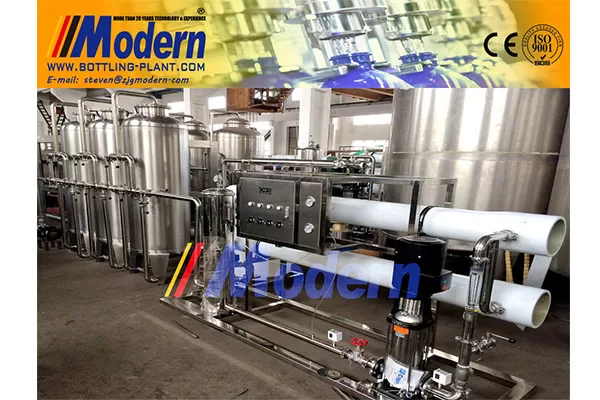
In recent years, the demand for clean drinking water has surged exponentially across the globe. This relentless demand has led to innovations in manufacturing processes and machinery, particularly in the beverage industry. One of the key players in this area is the drinking water bottle filling machine. This article explores various dimensions of drinking water bottle filling machines, their importance, types, operational efficiency, maintenance, and the future of the industry.
The Rising Demand for Bottled Water
The trend of consuming bottled water has risen sharply due to increasing urbanization, pollution, and a growing awareness of health and wellness. According to market research, the bottled water industry is predicted to expand significantly in the coming years. This growth necessitates efficient bottling processes to meet consumer expectations for quality, safety, and sustainability.
Health Consciousness
As people become more health-conscious, they seek alternatives to sugary sodas and high-calorie beverages. Bottled water is often viewed as a healthier option. Consequently, drinking water bottle filling machines have become essential for manufacturers looking to efficiently produce safe, clean bottled water.
Convenience and Lifestyle
Modern lifestyles demand convenience. Bottled water is easily portable, making it a go-to option for those on the move. The need for drinking water bottling facilities has grown, increasing the importance of advanced water bottle filling machinery that can streamline processes while maintaining high quality.
Types of Drinking Water Bottle Filling Machines
Several types of drinking water bottle filling machines exist, each with unique features and applications. Understanding these types is crucial for manufacturers when selecting the equipment that best meets their needs.
Gravity Filling Machines
Gravity filling machines use the force of gravity to fill bottles with water. These machines are relatively simple and economical but are best suited for non-carbonated beverages. Gravity filling is generally slower than other methods but can be effective for smaller operations.
Pneumatic Filling Machines
Pneumatic filling machines utilize compressed air to fill bottles. The air pressure forces the liquid into the container, providing a consistent and accurate fill level. They are ideal for thicker liquids and can accommodate a range of bottle sizes. However, the complexity of air systems might require specialized maintenance.
Vacuum Filling Machines
Vacuum filling machines create a vacuum within the bottle to draw water into it. This method is highly effective for achieving precise fill levels and reducing spills. Vacuum filling is particularly beneficial for sensitive products, as it minimizes exposure to contaminants during the filling process.
Automatic Filling Machines
Automatic filling machines represent the pinnacle of technology in bottling processes. These machines can operate without human intervention, significantly reducing labor costs and the risk of human error. They are equipped with advanced sensors, ensuring that every bottle is filled consistently and accurately. Although they are more expensive initially, the long-term savings and improved output make them a wise investment.
Operational Efficiency: Key Factors to Consider
Investing in a drinking water bottle filling machine is a significant financial commitment. To optimize operational efficiency, manufacturers must consider several key factors when selecting a machine.
Production Capacity
Understanding the production capacity needed is vital. Whether filling one hundred bottles or tens of thousands, selecting a machine that matches your production goals ensures efficiency while avoiding bottlenecks in the workflow.
Machine Durability
The durability of the machine is another crucial factor. Machines that can withstand continuous operation in a high-output environment will save money in repairs and replacements in the long run. Investing in high-quality materials and superior engineering is beneficial for long-term use.
Ease of Use and Maintenance
Operational efficiency is closely tied to the user-friendliness of the machine. Machines that are easy to operate require less training for employees. Furthermore, ease of maintenance is crucial for keeping the system running smoothly without frequent interruptions. Look for machines designed with accessible components for quick fixes and regular cleaning.
Maintenance Practices for Longevity
Proper maintenance extends the life of drinking water bottle filling machines and helps maintain high product quality. Manufacturers should implement a scheduled maintenance program that includes the following key practices:
Regular Cleaning and Sanitization
hygiene is paramount in the beverage industry. Regular cleaning and sanitization minimize the risk of contamination. Adequate training for staff involved in cleaning procedures is essential to ensure compliance with health regulations.
Routine Inspections
Scheduled inspections can help identify issues before they escalate into major problems. Regularly checking for queueing, leaks, and wear on components can save significant costs associated with unplanned downtime.
Replacement of Worn Parts
Identifiable wear and tear should be addressed immediately by replacing parts that are no longer functioning optimally. Keeping an inventory of commonly replaced parts ensures quick repair times and reduces downtime.
Future Trends in Drinking Water Bottle Filling Machines
The future of drinking water bottle filling machines looks promising, driven by technological advancements and an increasing focus on sustainability. Here are some of the trends that might shape the industry:
Automation and Smart Technology
As more manufacturers look to increase productivity and reduce labor costs, the trend towards automation is expected to grow. Incorporating smart technology, such as IoT integration for real-time monitoring, will become commonplace, enabling manufacturers to optimize their processes.
Focus on Sustainability
With global concerns over plastic waste, the demand for eco-friendly packaging solutions is rising. Companies are increasingly investing in bottling machines that can accommodate recyclable materials and create less waste throughout the production process.
Consumer Preferences for Customization
As consumers seek more personalized products, the ability to produce varied bottle sizes and styles becomes essential. Flexible filling machines that can adapt to diverse bottle designs will be in high demand.
Conclusion
In conclusion, drinking water bottle filling machines play a crucial role in the beverage industry, driven by increasing consumer demand for bottled water. Understanding the types available, operational efficiency factors, maintenance practices, and future trends can dramatically enhance the effectiveness of these machines in production lines. By investing wisely and adapting to changing market dynamics, manufacturers can ensure they meet consumer demands sustainably and efficiently, positioning themselves favorably in a competitive landscape.


