
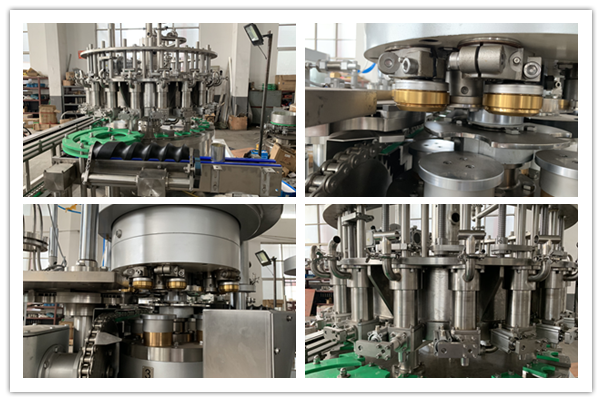
The hot filling process is a crucial method employed in the food and beverage industry, especially for products that require minimal post-production processing and extended shelf life. This technique not only enhances product quality but also ensures consumer safety by reducing the risk of microbial contamination. This article delves into the intricacies of the hot filling process, its advantages, applications, and best practices for effective implementation in your production line.
What is Hot Filling?
Hot filling is a packaging process where liquid food products are heated to a specific temperature, usually between 85°C and 95°C, before being placed into containers. The primary objective of hot filling is to eliminate microbial presence, thus ensuring the safety and stability of the product without the need for preservatives. The process is particularly beneficial for products with high acid content, such as fruit juices, sauces, and soups.
The Benefits of Hot Filling
Hot filling offers numerous advantages over other filling processes such as cold filling and aseptic filling. Understanding these benefits can help manufacturers make informed decisions regarding production methods.
1. Extended Shelf Life
One of the most significant advantages of hot filling is the extension of shelf life. By heating the product, manufacturers can kill harmful microorganisms and deactivate enzymes that cause spoilage, resulting in products that remain safe and palatable for longer periods.
2. Reduced Need for Preservatives
Another key benefit is the reduced need for chemical preservatives. Since hot filling effectively reduces microbial load, many products can bypass the addition of artificial preservatives, appealing to health-conscious consumers and facilitating consumer trust.
3. Improved Flavor Profiles
During the hot filling process, juices and sauces undergo pasteurization, which enhances their flavor and attributes. However, it’s essential to carefully control process parameters to prevent flavor loss or degradation of sensitive ingredients.
4. Cost Efficiency
Hot filling can also lead to cost savings over time. By extending shelf life and improving product stability, manufacturers can reduce wastage due to spoilage and minimize the need for costly refrigeration during transportation.
The Hot Filling Process: Step by Step
The hot filling process consists of several critical steps, each requiring careful management to ensure product quality and safety. Below is a detailed overview of the hot filling process.
1. Preparation of Product
The first step involves preparing the product by cooking or pasturing it to achieve the desired temperature. This step may include mixing, blending, or heating raw ingredients to enhance flavor and eliminate harmful microorganisms.
2. Container Preparation
While the product is being prepared, the containers must also be cleaned and sterilized to ensure that they are free from contaminants. Common sterilization methods include steam sterilization or the use of hot water solutions.
3. Hot Filling
Once the product reaches the appropriate temperature, it is transferred to the filling machine, where the hot liquid is poured into the sterilized containers. Care must be taken to minimize the cold air exposure while filling to maintain product temperature.
4. Capping and Sealing
After filling, the containers are immediately capped while still hot. This step is crucial as it creates a vacuum seal that prevents microbial ingress and enhances shelf life. Proper sealing methods improve the integrity of the packaging, contributing to product safety.
5. Cooling and Labeling
Following sealing, the containers are rapidly cooled, ideally through a water spray or immersion method. This quick cooling prevents thermal shock while maintaining the product quality. Once cooled, labeling and packaging take place before the products are prepared for distribution.
Key Considerations for Implementing Hot Filling
While hot filling is an effective production method, certain considerations must be taken into account to ensure optimal results. Here are essential factors to keep in mind:
1. Product Formulation
Thoroughly understanding the pH and acidity levels of the product is essential. Products with high acidity can undergo hot filling more safely than those that are low in acid. Consider conducting extensive testing to determine the appropriate temperature and time required for filling.
2. Equipment Selection
The choice of equipment is critical. Automated filling machines with temperature control features ensure accurate temperature regulation throughout the process. Regular maintenance of equipment is also vital for consistent performance and quality assurance.
3. Quality Control Measures
Implementing quality control measures at every stage of the hot filling process helps in detecting issues early. Consider monitoring product temperature, container integrity, and vacuum levels post-filling to ensure safety and compliance with industry standards.
4. Compliance with Regulations
All manufacturers should stay updated with local and international food safety regulations related to hot filling. Adhering to guidelines laid out by food safety authorities is necessary to avoid legal repercussions and ensure consumer safety.
Applications of Hot Filling
Hot filling is widely utilized across various product categories. Here are some common applications:
1. Beverages
Hot filling is extensively used for fruit juices, teas, and soft drinks. The process not only preserves freshness but also enhances flavors, making beverages more appealing to consumers.
2. Sauces and Condiments
Products such as ketchups, barbeque sauces, and salad dressings are often produced using hot filling. This technique ensures extended shelf life without compromising the taste and quality of the product.
3. Ready-to-Eat Meals
Hot filling is also employed in packaging ready-to-eat meals and soups, providing a convenient solution for consumers seeking time-saving meal options.
Conclusion
The hot filling process is a proven method for ensuring product safety and quality in the food and beverage industry. By understanding the intricacies of this process, manufacturers can make informed decisions, enhancing their production capabilities while ensuring compliance with industry standards. With its multiple benefits, from extended shelf life to cost efficiency, hot filling remains an indispensable technique for modern food production.
Final Thoughts
As the food and beverage industry continues to evolve with consumer demand for high-quality, safe products, the hot filling process stands as a testament to traditional methods enhanced by modern technology. Manufacturers considering the hot filling approach should conduct comprehensive research, invest in quality equipment, and implement stringent quality control measures to reap the maximum benefits of this effective filling technique.


