The edible oil industry has witnessed remarkable growth over recent years, driven by the increasing demand for various types of cooking oils, including olive, canola, sunflower, and palm oil. As the demand for these products rises, the necessity for efficient, reliable, and advanced packaging solutions becomes paramount. One of the key players in this domain is the edible oil tin filling machine, which plays a critical role in ensuring that edible oils are packaged effectively. This article delves into the intricacies of edible oil tin filling machines, exploring their operation, benefits, types, and essential maintenance practices.
What is an Edible Oil Tin Filling Machine?
An edible oil tin filling machine is a specialized piece of equipment designed to fill tins or cans with liquid edible oils. These machines ensure accurate measurements, improve production speed, and guarantee the safe sealing of the packaged oils to maintain their quality. The filling process can be semi-automatic or fully automatic, depending on the machine’s design and capabilities.
The Importance of Tin Filling Machines in the Edible Oil Industry
Tinning is considered one of the most effective methods of packaging edible oils, thanks to the material’s resistance to oxidation and corrosion. As a result, many manufacturers prefer this packaging method for several reasons:
- Extended Shelf Life: Tin packaging helps prolong the shelf life of oils by protecting them from exposure to light and air.
- Cost-Effective: Tin cans are relatively inexpensive and can be produced in various sizes, catering to different consumer preferences.
- Environmental Impact: Tin cans are recyclable, contributing to a reduced carbon footprint in comparison to plastic packaging.
Types of Edible Oil Filling Machines
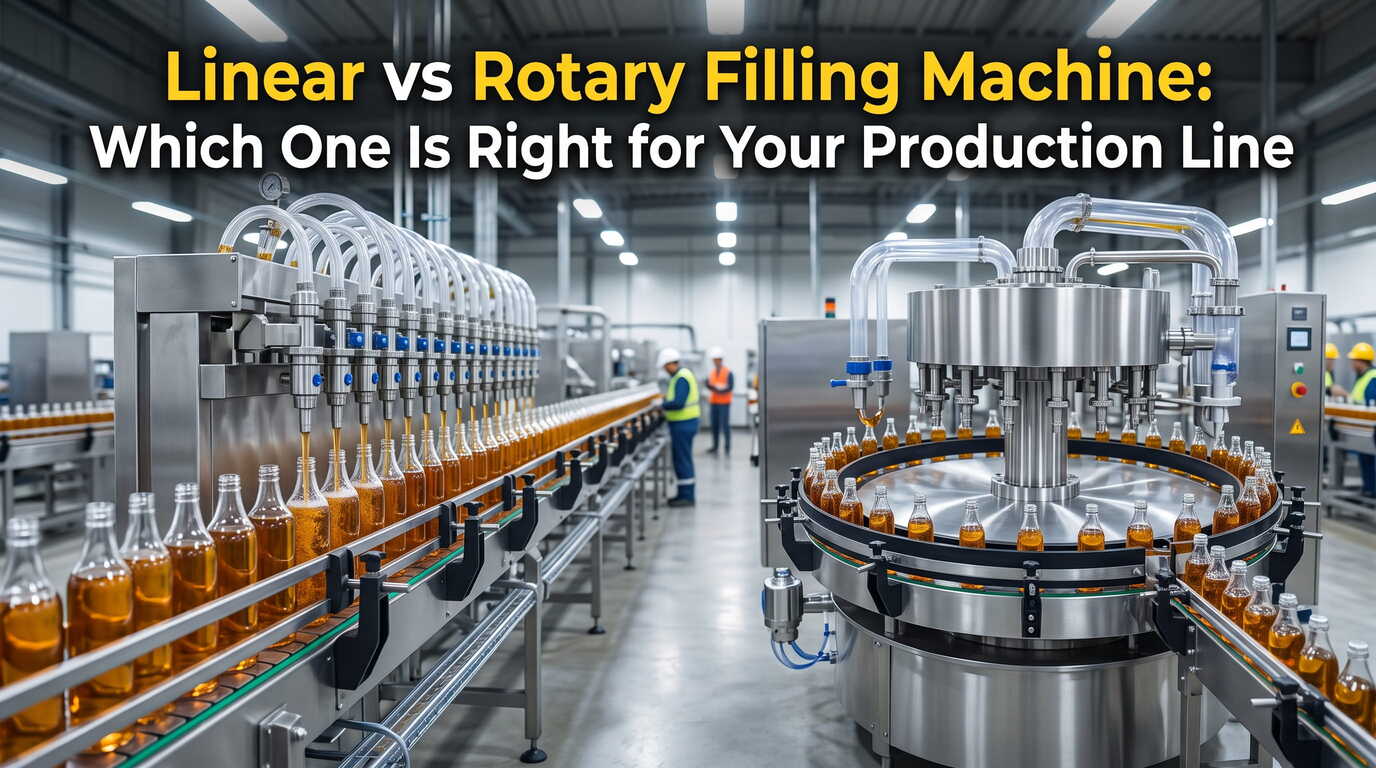
Edible oil tin filling machines come in various types based on their functionality, design, and automation level. Choosing the right type depends on the manufacturing scale and specific requirements. Here are the most common types:
1. Gravity Filling Machines
This type uses gravity to fill the tins. The machine controls the flow of oil through a nozzle that allows for a smooth filling process. These machines are suitable for low to medium viscosity oils and are simple to operate, making them ideal for small-scale operations.
2. Vacuum Filling Machines
Vacuum filling machines are designed to fill products using vacuum pressure, which minimizes air contact and helps in maintaining the oil’s quality. These machines are commonly used for high-viscosity oils, allowing for a consistent fill even with thicker products.
3. Piston Filling Machines
Piston-based machines utilize a piston to draw and dispense the oil into the cans. This results in high accuracy and is broadly used for various types of liquids, including edible oils. Piston filling machines tend to be more versatile, handling different oil types and viscosities efficiently.
4. Flow Meter Filling Machines
Flow meter filling machines use flow sensors to measure the exact amount of oil that needs to be filled. This precise metering makes them ideal for extensive operations where accuracy is crucial. They are particularly beneficial for large-scale production and high-speed bottling lines.
Key Features to Consider in Edible Oil Tin Filling Machines
When selecting an edible oil tin filling machine, several critical features should be considered to ensure optimal performance and efficiency:
- Filling Accuracy: The precision of the filling system is essential in ensuring that the cans are filled to the correct volume.
- Speed and Efficiency: The production speed should match the operational needs of your business. Higher speed means more tins filled per hour, which can significantly boost productivity.
- Ease of Operation: The machine should be user-friendly, allowing operators to manage the filling process without extensive training.
- Durability: Choose machines made from high-quality materials to withstand the rigors of daily use and maintain long-term performance.
- Versatility: A machine that can accommodate different can sizes and oil types adds value to your operations, allowing greater flexibility in production.
Maintenance Tips for Edible Oil Tin Filling Machines
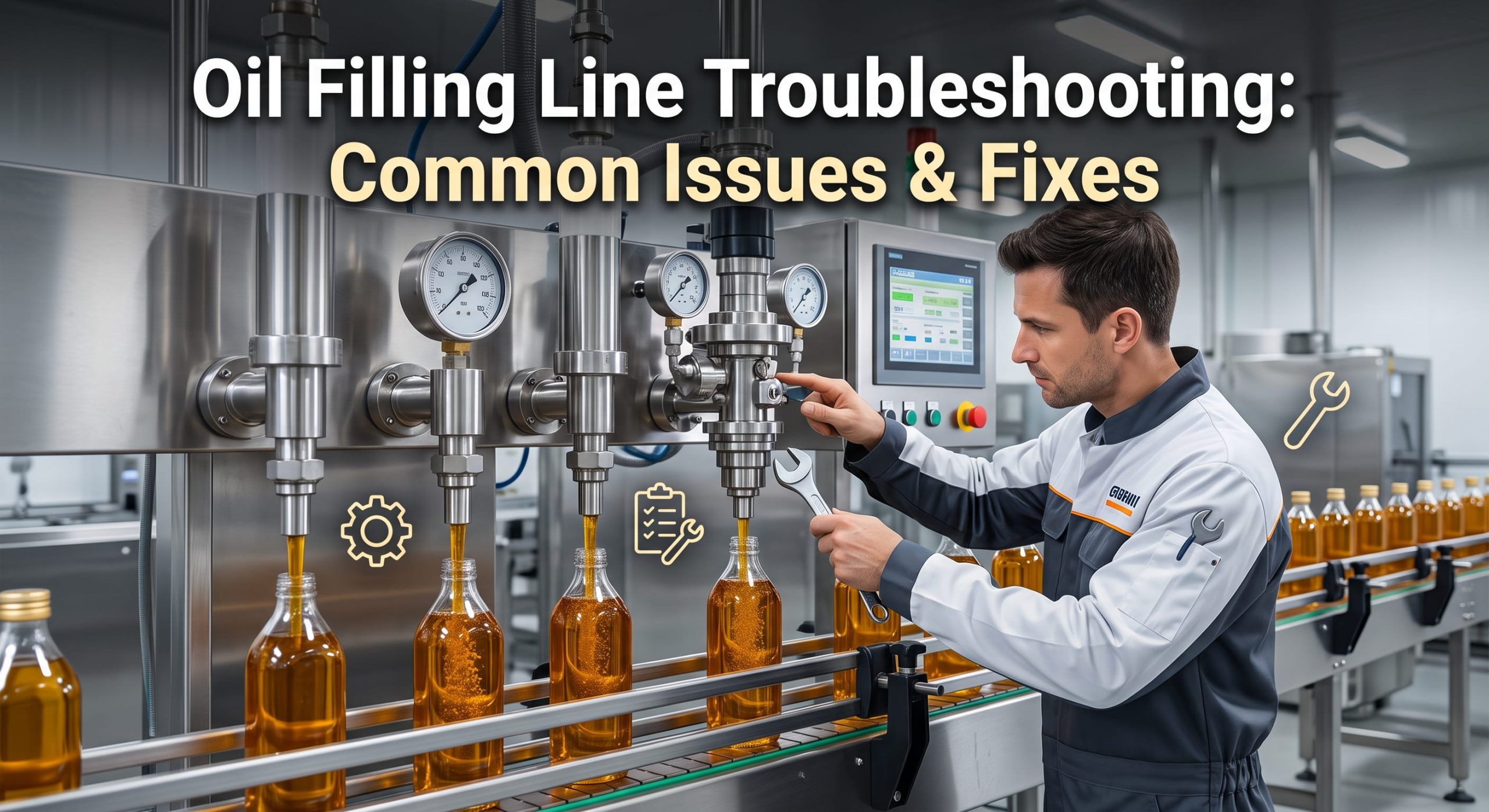
Proper maintenance is crucial for ensuring the longevity and efficiency of edible oil tin filling machines. Here are some recommended practices:
1. Regular Cleaning
Ensure that all components of the machine are routinely cleaned to prevent oil buildup, which can lead to malfunctioning and contamination. Use compatible cleaning agents that won’t degrade the materials.
2. Lubrication
Keep all moving parts adequately lubricated to minimize friction and wear over time. Regular lubrication reduces the chances of breakdowns and extends the machine’s operational life.
3. Check for Wear and Tear
Frequent inspections of the machine parts like nozzles and hoses should be conducted. Replace any worn or damaged components immediately to avoid production delays.
4. Calibration
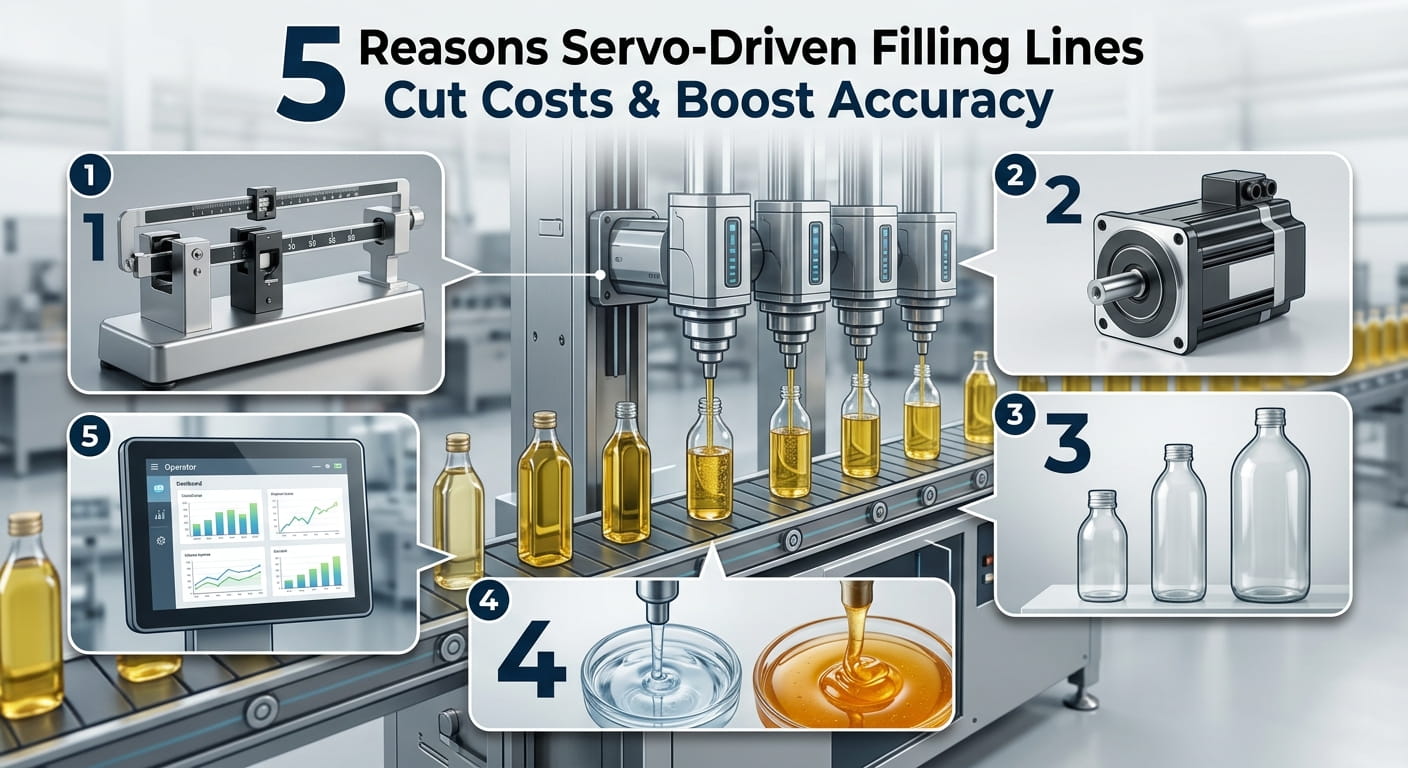
Regularly calibrate the filling machine to ensure the accuracy of the filling volume. Inaccuracies can lead to financial losses and affect product quality.
5. Staff Training
Train your staff on the optimal operational practices and routine maintenance checks. An informed team is essential for proactively addressing issues before they escalate.
The Future of Edible Oil Tin Filling Machines
As technology continues to advance, the future of edible oil tin filling machines looks promising. Emerging trends include the integration of smart technologies, automation, and increased efficiency through IoT-enabled devices. These innovations are poised to enhance productivity, minimize waste, and optimize operational costs across the industry.
Conclusion
The edible oil tin filling machine is an invaluable asset in the packaging sector, ensuring oils are filled, sealed, and delivered efficiently while maintaining quality. By understanding the various types, features, and maintenance requirements of these machines, manufacturers can make informed decisions that align with their operational needs. As the industry evolves, embracing advanced technologies will be essential for staying competitive in a rapidly changing market.
The right edible oil tin filling machine not only contributes to better packaging but also enhances the overall efficiency and sustainability of your production process. Investing in quality machinery and maintenance practices will ultimately pave the way for lasting success in the edible oil sector.